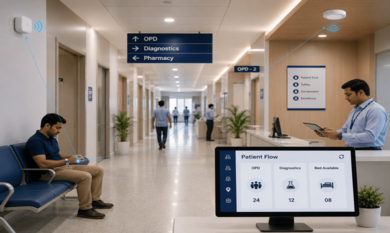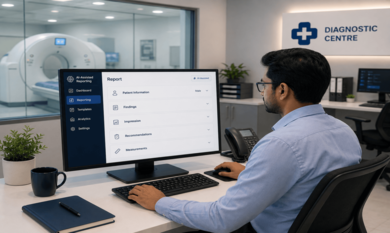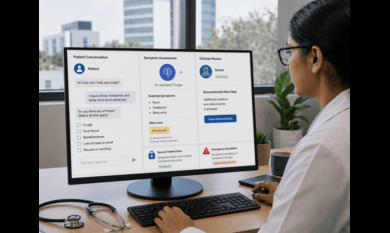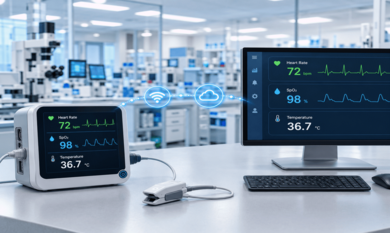


Picture a typical diagnostic process from the traditional setup. A patient visits a hospital, waits for tests, reports are reviewed manually, and decisions depend heavily on individual experience and available time. This approach has saved countless lives, but it also has limits. Human fatigue, delayed reports, and fragmented data can affect diagnostic accuracy and speed.
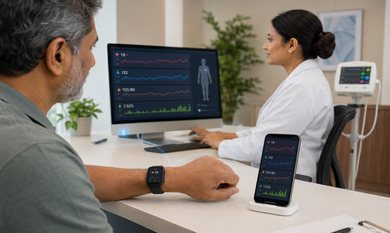
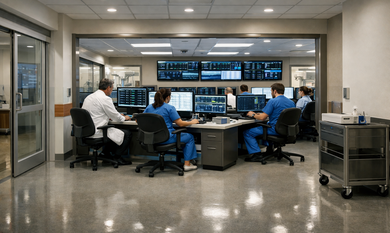
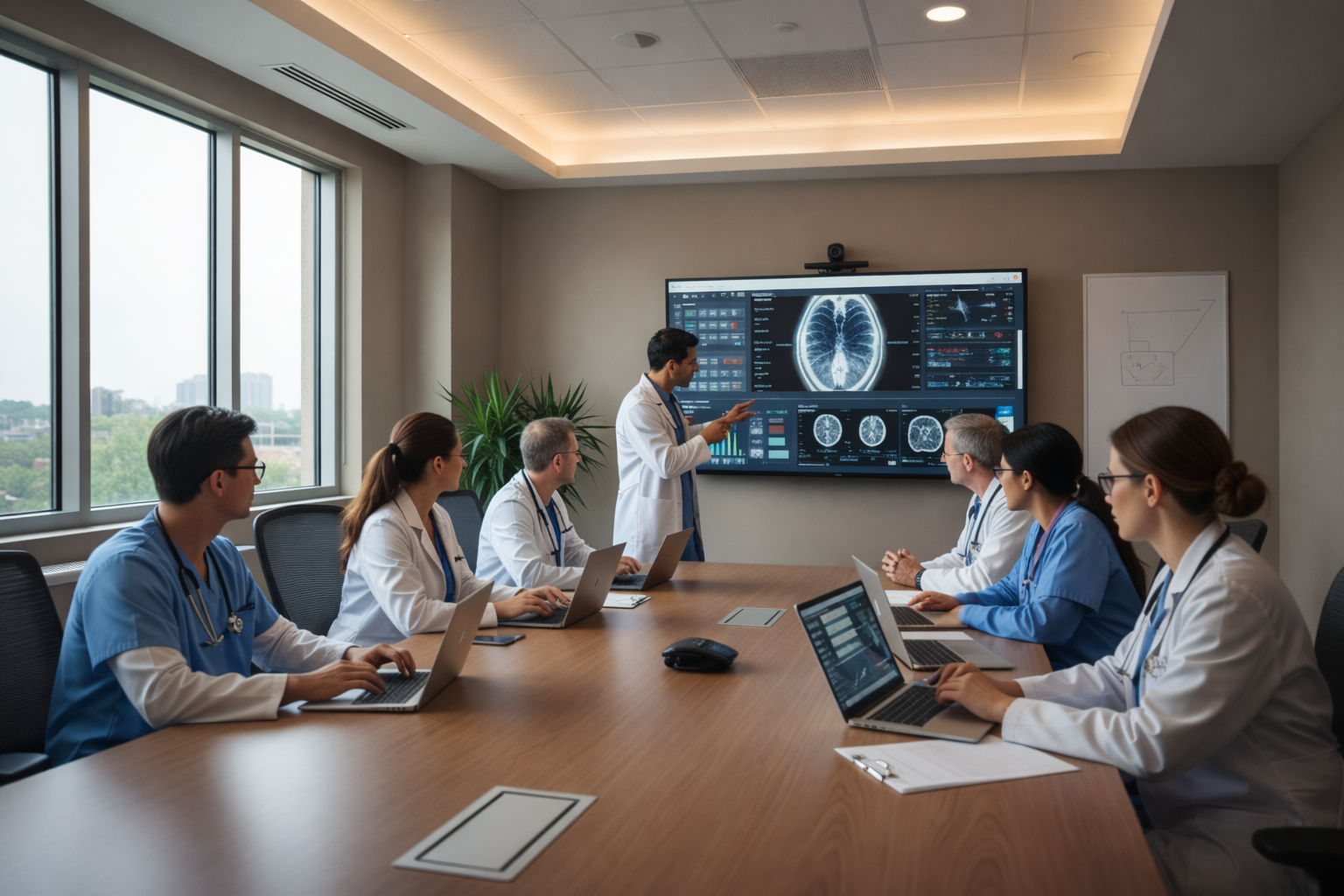
Now imagine the same process in 2026. Clinical data flows into intelligent systems that support doctors in real time. Patterns are flagged early. Risks are predicted before symptoms escalate. Clinicians still make the final call, but they do so with clearer, faster, and more complete insights.
This shift is at the heart of the discussion around AI-based diagnostics vs traditional methods. It is not about replacing clinicians. It is about exploring what happens to care accuracy, clinical decision-making, and patient outcomes when AI is thoughtfully integrated into diagnostics today.
A Hospital Day in 2026
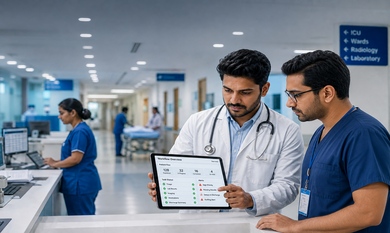
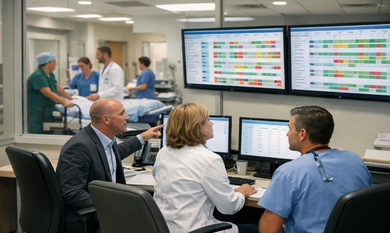
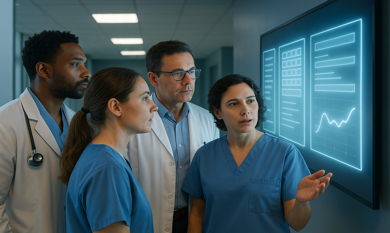
What if a mid-sized hospital implements AI-powered diagnostic tools across radiology, pathology, and emergency care?
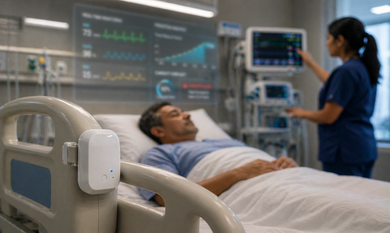
A patient arrives with vague chest discomfort. Traditionally, this might involve a series of tests reviewed sequentially. In a 2026 AI-augmented workflow, something different happens.
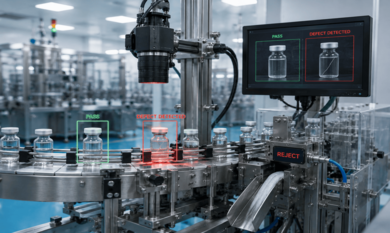
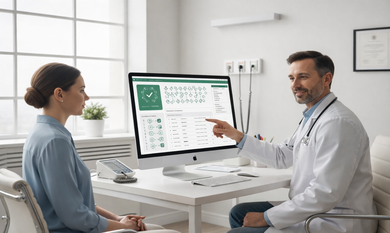
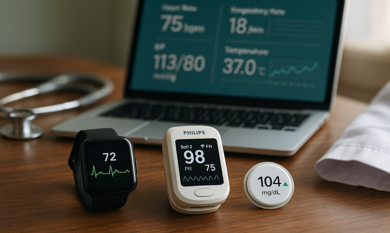
As soon as vitals, ECG data, and lab results are entered, an AI system compares them against thousands of similar cases. It highlights subtle risk indicators that are easy to miss under pressure. The clinician receives a prioritized summary, not a raw data dump.
This is how AI-powered clinical diagnostics reshape the patient journey:
- Faster triage and prioritization
- Early identification of high-risk cases
- More confident clinical decision-making
- Reduced wait times for critical interventions
The experience feels smoother for the patient and more controlled for the care team.
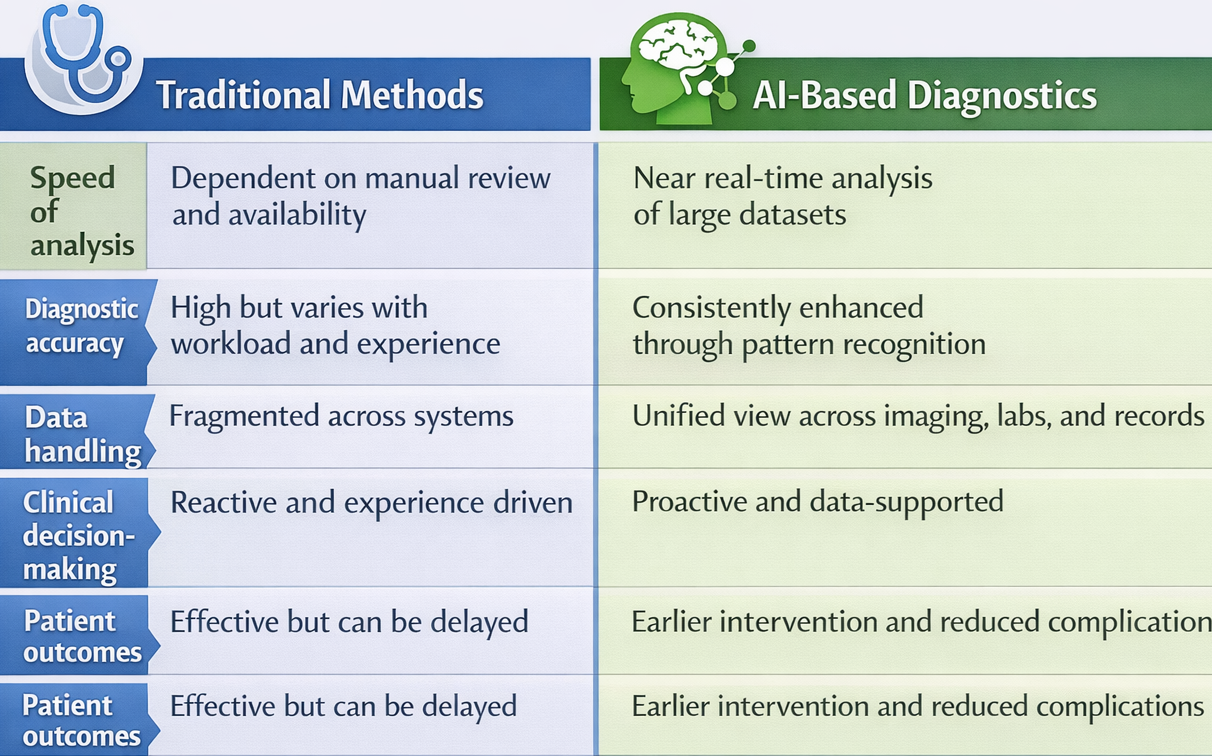
AI-Based Diagnostics vs Traditional Methods: A Practical Comparison
Below is a simple comparison to understand how these two approaches differ in daily operations.
How Predictive Diagnostic Decision Systems Change Care
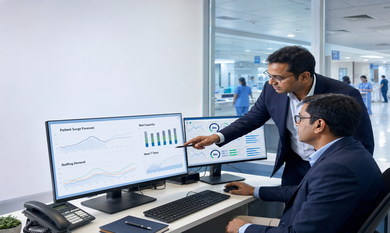
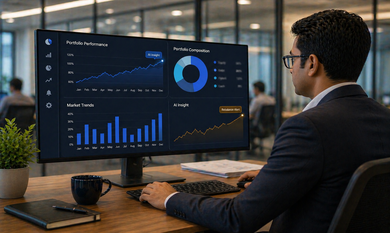
One of the most impactful developments in 2026 is the rise of predictive diagnostic decision systems. These systems do not just analyze what is happening now. They estimate what could happen next.
In simple terms, they answer questions like:
- Which patients are likely to deteriorate in the next 24 hours?
- Which test results suggest an uncommon condition?
- Where should clinical attention be focused first?
For hospital administrators, this translates into:
- Better resource utilization
- Reduced emergency escalations
- Lower readmission rates
For clinicians, it means fewer surprises during shifts and more confidence in complex cases. Predictive diagnostic decision systems enhance diagnostic accuracy by delivering proactive insights, without increasing the cognitive load on clinicians.
Real-World Implementation Insight
Consider a pilot program in a digitally advanced healthcare environment such as Dubai, where hospitals are already investing in connected infrastructure and interoperable systems. In such settings, AI-based diagnostics are layered onto existing electronic health records rather than replacing them.
The result is incremental improvement, not disruption. Clinicians retain control over familiar workflows, while gaining faster and more in-depth insights through AI-powered clinical diagnostics. This approach is what makes AI adoption practical in 2026.
Addressing Common Questions from Hospital Leaders
1. Will AI compromise patient data privacy?
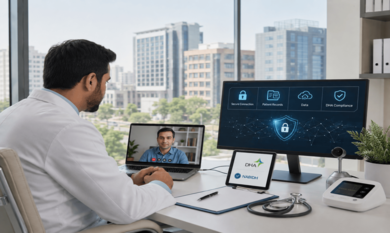
Modern AI-powered clinical diagnostics are developed with robust data governance practices, incorporating encryption, role-based access, and full alignment with healthcare compliance standards. Data privacy remains a priority, not an afterthought.
2. Is this technology expensive to implement?
Costs vary by scope, but many hospitals see value through reduced diagnostic errors, faster turnaround times, and operational efficiency. The focus in 2026 is cost-to-value, not just upfront investment.
3. Do clinicians need extensive retraining?
No. Most AI-powered clinical diagnostics are designed to fit naturally into existing workflows. Training focuses on interpretation and trust, not technical operation.
4. Can AI make wrong recommendations?
AI-powered clinical diagnostics are designed to assist, not replace, human judgment—ensuring that clinicians remain the final authority in all decision-making processes. Over time, systems improve as they learn from real-world clinical data.
5. How long does implementation take?
Phased implementation is common. Hospitals often start with one department such as radiology, then scale based on results and staff feedback.
The Bigger Picture: Accuracy, Trust, and Outcomes
When discussing diagnostic accuracy, it is important to recognize that accuracy is not just about correct identification. It is also about timing, consistency, and context.
AI enhances:
- Early detection of subtle patterns
- Consistency across shifts and teams
- Support for complex clinical decision-making
Traditional methods still matter. They provide clinical intuition and judgment. AI complements this by handling scale and complexity. Together, they improve patient outcomes without overwhelming healthcare professionals.
Conclusion: The Future of Diagnostics in Dubai and Beyond
In 2026, the conversation is no longer about whether AI belongs in diagnostics. It is about how effectively it can be integrated to support clinicians and improve care accuracy. Hospitals that explore AI-based diagnostics vs traditional methods are discovering that the greatest value comes from collaboration between human expertise and intelligent systems.
From advanced health-tech ecosystems in Dubai to growing healthcare networks worldwide, AI-powered diagnostics are shaping a future where decisions are faster, insights are clearer, and patient outcomes are stronger.
Theta Technolabs is a leading AI development company in Dubai specializing in Web, Mobile and Cloud solutions. We work with healthcare organizations to design and implement scalable, secure AI systems that align with real clinical workflows and long-term growth goals.
Plan smarter diagnostics
Ready to explore the implementation of AI in your facility? Whether you are evaluating early-stage adoption or planning to scale existing digital systems, the right AI strategy can significantly improve diagnostic accuracy and clinical efficiency.
Our experts work closely with hospital administrators, clinic leaders, and health-tech teams to assess workflows, identify high-impact use cases, and design AI solutions that integrate smoothly into real clinical environments.
Contact our team at sales@thetatechnolabs.com for a personalized consultation and take the next step toward smarter, data-driven healthcare delivery.