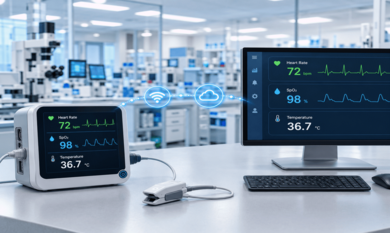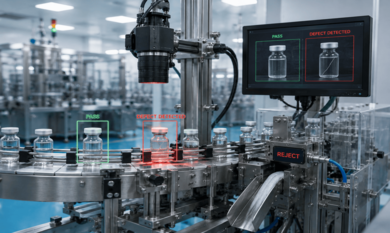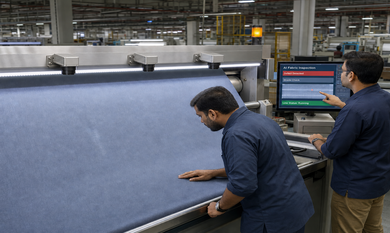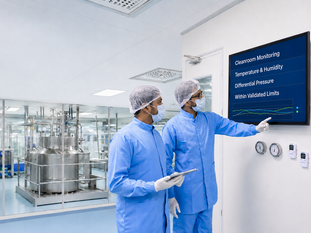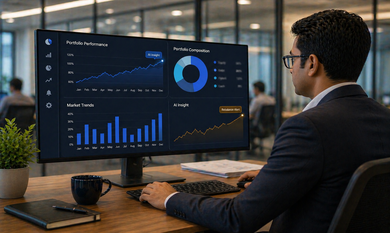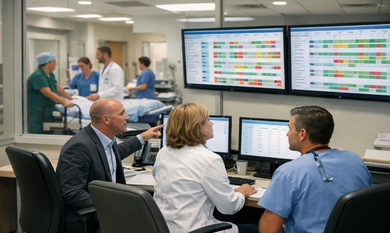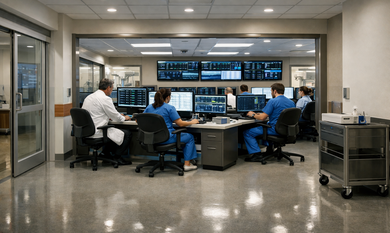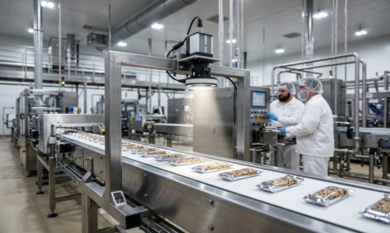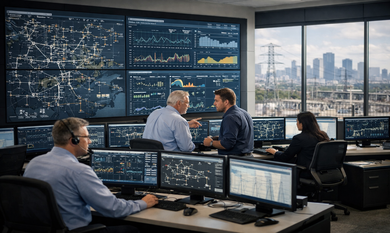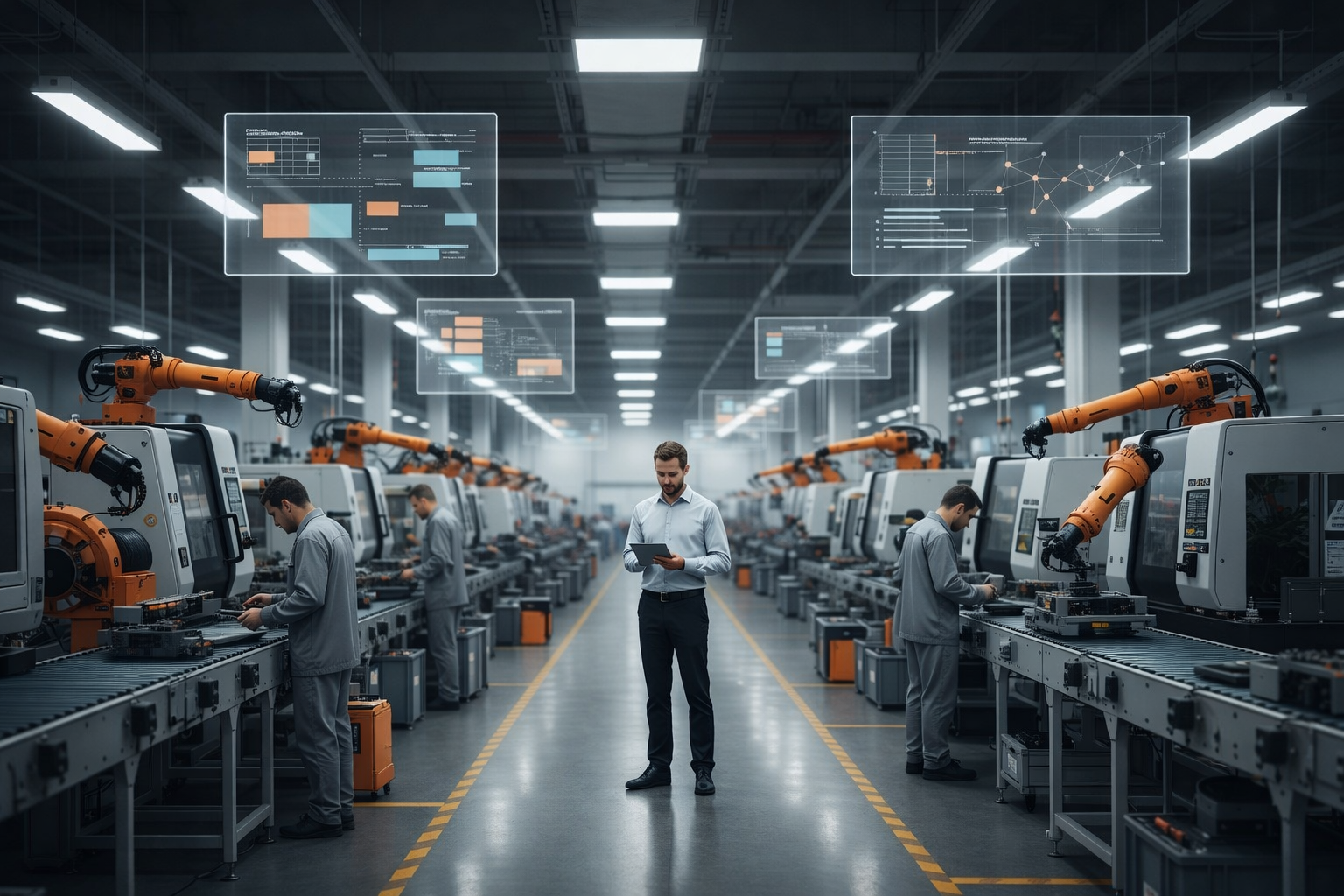


Step into a manufacturing control room in 2026 and you will notice something missing. Static dashboards. Endless spreadsheets. Daily production meetings spent reacting to yesterday’s problems.
In their place is a new kind of collaborator. Not a tool that reports numbers, but an intelligent system that thinks, decides, and acts. In modern factories, software agents are now participating directly in planning decisions.
This is the reality of agentic AI in production planning.
Unlike traditional systems that wait for instructions, agentic AI operates with intent. It continuously interprets production inputs, recognizes operational limits, and proactively responds to evolving situations. For manufacturing leaders, this marks a fundamental shift. Planning evolves from reactive firefighting to a proactive, adaptive, and continuously self-improving process.
The question in 2026 is not whether this technology works. The real question is what happens when it is implemented across a production environment.
Defining the Agentic Shift in Manufacturing Planning
To understand the impact, it helps to simplify the idea.
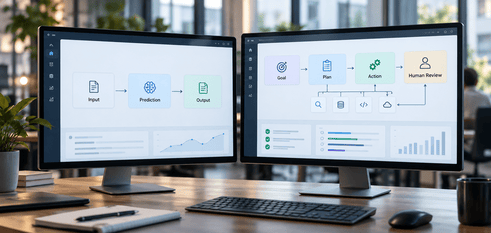
Traditional automation in manufacturing is rule-based. If a machine goes down, the system sends an alert. If inventory falls below a threshold, it flags the issue. Humans still decide what to do next.
Agentic AI changes this relationship.
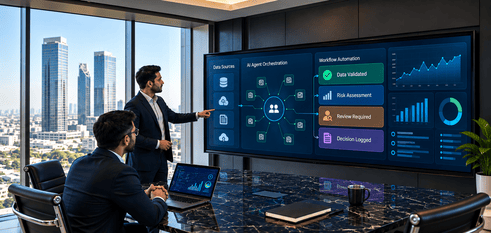
Agentic AI in production planning introduces intelligent agents that can:
- Observe real-time data from machines, suppliers, and demand systems
- Reason about trade-offs such as cost, delivery timelines, and capacity
- Take action by adjusting schedules, reallocating resources, or triggering workflows
Rather than merely presenting data, these agents take decisive actions based on it.
For example, in AI-driven manufacturing planning, the system does not simply report that a bottleneck exists. It evaluates alternative production paths, selects the optimal option based on defined business goals, and executes the change automatically.
The goal isn’t to eliminate human roles but to automate repetitive complexity, allowing experts to focus on strategic, value-driven decisions.
The Workflow in Action Inside a Real Factory Scenario
Imagine a high-volume electronics manufacturer operating near Hyderabad, a region known for precision manufacturing and global supply dependencies. Because local supply chains are increasingly complex, many firms are turning to a specialized AI development company in Hyderabad to build these autonomous response layers. At 9:30 AM, an unexpected alert arrives: a critical raw material shipment is delayed by twelve hours. In this setup, the agentic system doesn't wait for a human meeting; it immediately simulates new schedules to keep the lines moving.
Now imagine the same situation with autonomous production optimization workflows in place.
When integrated, the agentic system immediately:
- Detects the delay from supplier integration feeds
- Assesses current inventory buffers and downstream dependencies
- Simulates multiple production scenarios across lines and shifts
- Identifies products that can be reprioritized without violating delivery commitments
In a matter of minutes, the AI agent recalibrates the production schedule, advancing non-essential batches to optimize flow. Labor and machine assignments are rebalanced. Procurement is notified automatically with revised timelines.
No human intervention is required for the initial response.
Operations managers are informed, not asked to solve the crisis. This is the practical power of agentic AI in production planning when implemented correctly.
The Shift: From Assisted Planning to Autonomous ROI
In 2026, the industry is moving from single-task automation to end-to-end workflow ownership. For example, a leading automotive manufacturer recently utilized agentic AI to manage its raw material procurement. The result? A 25% increase in overall efficiency and a 35% optimization of inventory levels. Unlike traditional ERP systems, these agents don't just alert you to a problem; they autonomously weigh options—such as rerouting a shipment due to weather—and execute the best choice without human micromanagement.
Manufacturing Intelligence Meets Capacity Planning Reality
Capacity planning has always been one of the hardest challenges in manufacturing.
Demand fluctuates. Machines have maintenance windows. Skilled labor availability changes. Traditional planning tools struggle because they rely on static assumptions.
Manufacturing intelligence powered by agentic AI introduces a living model of the factory.
This intelligence layer continuously learns from:
- Machine performance data
- Workforce utilization patterns
- Historical scheduling outcomes
- Demand forecast accuracy
With scheduling automation, updates occur dynamically instead of following fixed intervals.
Instead of planning weekly or monthly, the system adjusts continuously. It understands true available capacity, not theoretical capacity. It anticipates constraints before they become visible on the floor.
For technical teams, this means fewer firefighting cycles. For leadership, it means predictable output and stronger customer commitments.
AI-driven manufacturing planning transforms capacity planning from a guessing exercise into a data-backed operational discipline.
Manufacturing Intelligence: 2026 Benchmarks
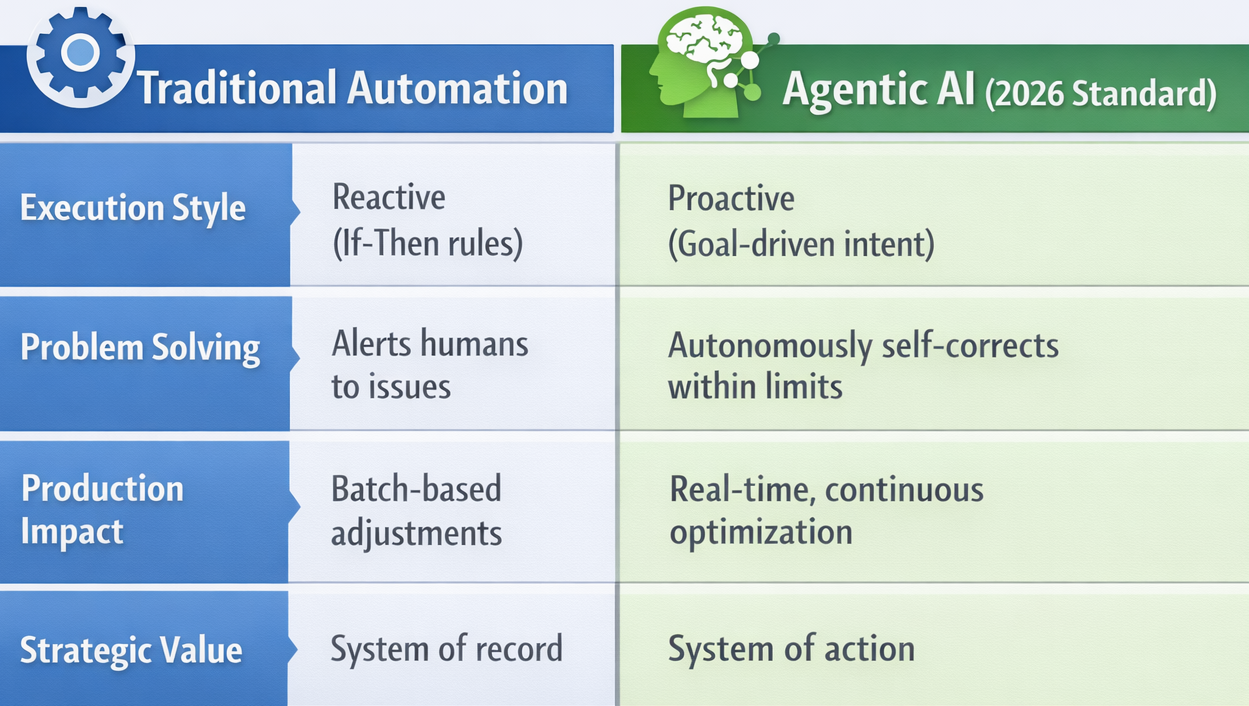
The Impact of Implementation Before and After Autonomy
Consider a mid-sized automotive components manufacturer running multiple product variants across shared equipment.
Before implementation:
- Production planners manually adjusted schedules daily
- Changes required coordination across ERP, MES, and spreadsheets
- Delays cascaded into overtime costs and missed delivery windows
- Decisions depended heavily on individual experience
The system worked, but it was fragile.
After implementing agentic AI in production planning:
- Scheduling automation handled routine adjustments in real time
- Autonomous production optimization workflows balanced priorities automatically
- Planners focused on exception handling and strategic improvements
- Output variability reduced significantly
The shift to autonomy was gradual — human oversight and continuous improvement remained integral throughout. But decision latency dropped dramatically.
This is the competitive edge. Faster response. Fewer surprises. Higher confidence in commitments.
In 2026, this level of operational intelligence separates scalable manufacturers from those constantly catching up.
Frequently Asked Questions
Q1. How long does it take to implement agentic AI in production planning?
Implementation timelines vary based on factory complexity and data readiness. Many manufacturers see phased value within three to six months, starting with scheduling automation and expanding into full autonomous workflows.
Q2. What kind of ROI can manufacturers expect?
ROI often appears through reduced downtime, lower inventory buffers, improved on-time delivery, and less manual planning effort. The biggest gains come from avoiding cascading disruptions rather than optimizing isolated metrics.
Q3. Does agentic AI replace production planners?
No. It changes their role. Planners move from constant manual intervention to supervisory and strategic work. Human expertise remains critical for setting goals, constraints, and long-term decisions.
Q4. How does this integrate with existing systems?
Modern agentic systems integrate with ERP, MES, and supply chain platforms. They act as an intelligence layer rather than a replacement, ensuring continuity with existing operations.
Conclusion: Autonomy as the New Manufacturing Advantage
Manufacturing leadership in 2026 is no longer defined by how well teams react to disruptions, but by how effectively systems prevent them. Agentic AI in production planning represents this shift clearly. Today’s planning systems are not just passive instruments that highlight issues retrospectively. They become active participants in decision-making.
When implemented, AI-driven manufacturing planning enables factories to sense change, evaluate options, and act in real time. Capacity planning becomes continuous rather than periodic. Scheduling automation removes manual bottlenecks. With autonomous production optimization workflows, disruptions are managed proactively, preventing broader operational impacts.
For manufacturers aiming to scale reliably, protect margins, and deliver with confidence, autonomy is not an experiment. It is a competitive requirement. Agentic AI development services are the foundation that allows production environments to move from assisted planning to intelligent, self-adjusting operations.
Start the Transition with the Right Partner
Adopting agentic AI is not just a technology upgrade. It is an operational transformation that requires the right architecture, integrations, and execution strategy.
Theta Technolabs supports manufacturers in building intelligent production systems with proven expertise across Web, Mobile and Cloud platforms. Our approach focuses on real-world manufacturing intelligence, seamless system integration, and scalable AI foundations.
If you are evaluating how autonomous planning can improve resilience and performance on your production floor, we are ready to help.
For a consultation on transforming your production floor, reach out to our team at sales@thetatechnolabs.com.