

In many manufacturing plants today, quality inspection still depends heavily on human eyes and random sampling. An experienced inspector checks a few units from every batch, signs off on quality, and production moves forward. On paper, this seems efficient. In reality, it hides several invisible costs.
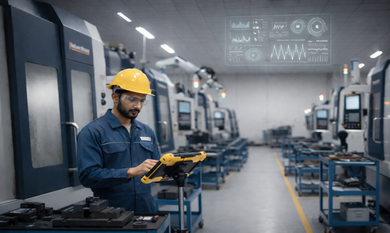
Human inspection is limited by fatigue, shift pressure, and repetition. After hours on a fast-moving line, even the most skilled inspector can miss tiny defects. These small misses often show up later as customer complaints, rework, warranty claims, or audit observations. For QA managers and production heads, especially across the manufacturing corridor of Pune where automotive and electronics production runs at high volumes, these issues quietly affect margins and brand trust.
This raises an important question. What if every single product could be inspected, without slowing down production and without depending entirely on human endurance?
That question is driving interest in computer vision quality inspection systems.
The Transformation: A Digital Eye That Never Tires
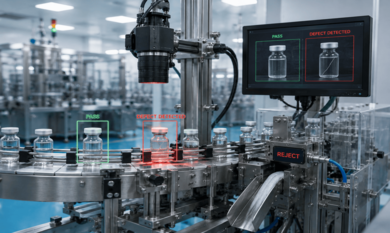
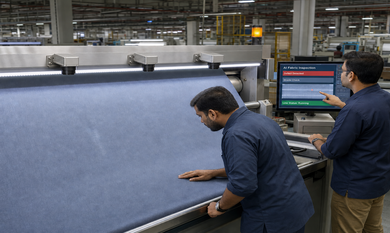
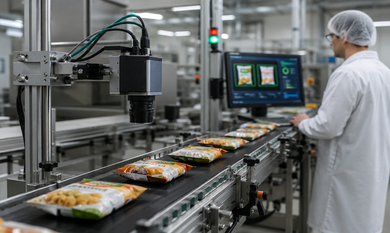
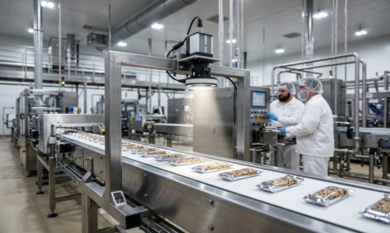
Computer vision quality inspection systems act like a digital eye placed directly on the production line. Instead of relying on manual checks, cameras continuously capture images of products as they move through each stage. These images are analyzed in real time using AI-based defect detection models that have been trained to recognize what is acceptable and what is not.
In simple terms, the system learns from examples. It studies thousands of images of good parts and defective parts. Over time, it becomes capable of spotting issues that are difficult for humans to see, such as tiny surface cracks, micro scratches, alignment errors, or subtle color variations.
This is not about replacing people. It is about supporting quality assurance automation so that human teams focus on decisions, root cause analysis, and improvements, instead of repetitive visual checks.
Unlike manual inspection, automated visual inspection in manufacturing does not get tired, does not lose focus during night shifts, and does not slow down during peak production hours. It provides consistent inspection quality across every shift and every batch.
The Use Case: A High-Speed Assembly Line in Pune
Consider a hypothetical but realistic scenario in a Pune-based automotive components plant.
The factory runs a high-speed assembly line producing electronic control units. Each unit contains connectors, soldered joints, and plastic housings. Traditionally, inspectors manually sample a small percentage of units per hour. Most defects caught are obvious ones. Micro-defects often slip through.
Now imagine automated visual inspection in manufacturing is introduced at a critical stage of this line.
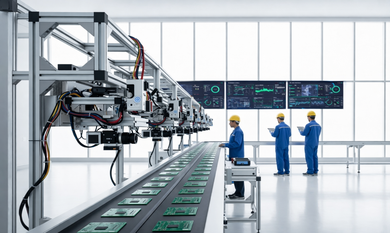
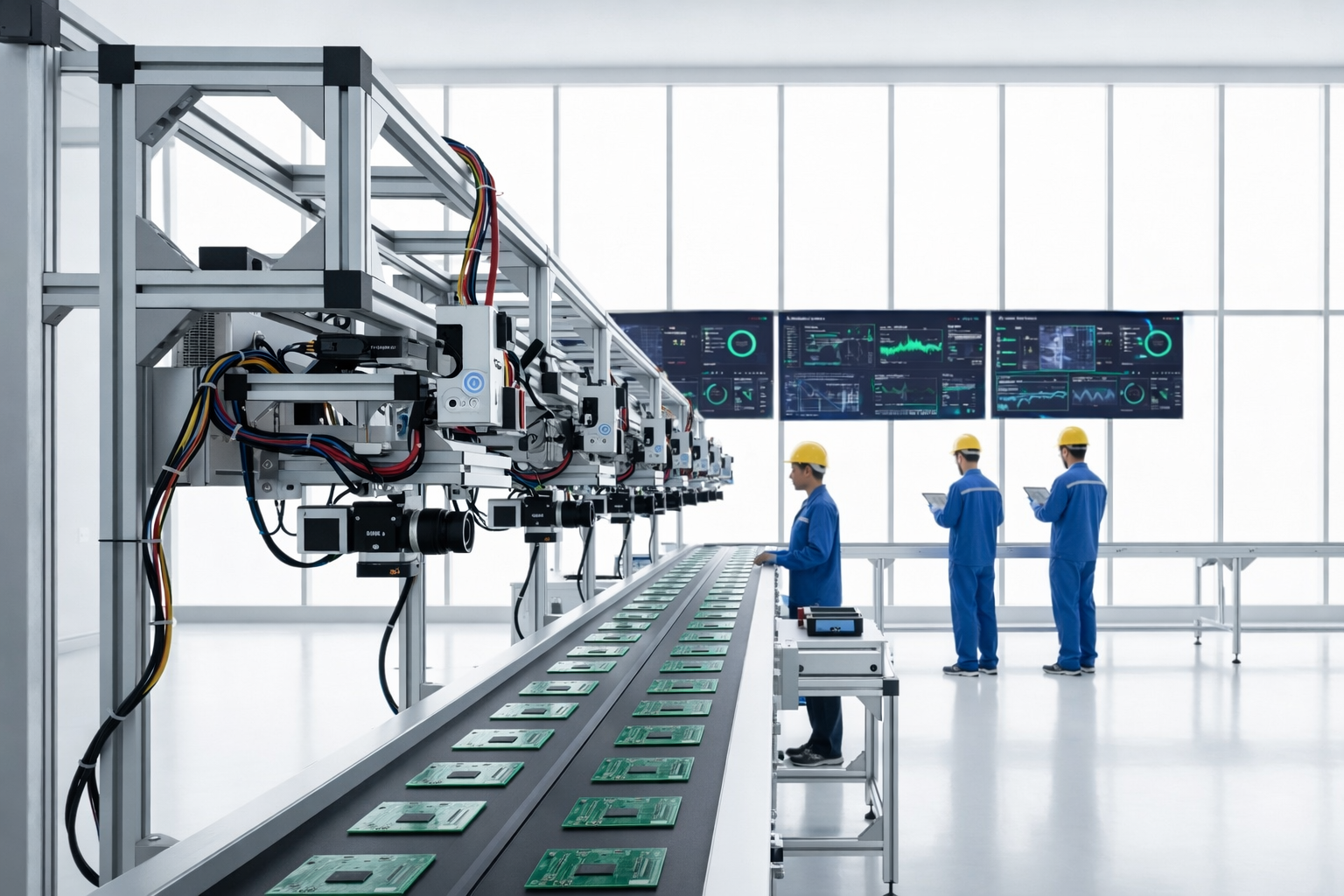
High-resolution cameras are installed above the conveyor. As each unit passes, images are captured from multiple angles. The computer vision quality inspection systems compare every unit against a defined quality benchmark.
During one shift, the system detects hairline cracks around a connector housing. These cracks are too small to be seen by the naked eye at full line speed. The AI-based defect detection system flags the units instantly and separates them from the main flow.
The QA team reviews the alerts and traces the issue back to a slight variation in injection molding temperature earlier in the day. The problem is corrected within hours instead of days.
Without image-based inspection, this defect might have reached customers. The cost would have been far higher.
Why This Matters More Than Ever
Manufacturers in Pune’s automotive and electronics ecosystem operate under increasing pressure. With customers expecting near-zero defects and auditors demanding complete traceability, many local plants are partnering with a specialized AI development company in Pune to build custom inspection frameworks. In an environment where competition is intense and margins are tight, having a localized technology partner ensures that your automation is tailored to the specific assembly standards of the region.
Manual sampling simply cannot keep up with these expectations.
Moving toward quality assurance automation enables factories to shift from probability-based quality to certainty-based quality. Every product is checked. Every defect is logged. Every decision is backed by data.
This shift is not about adopting technology for the sake of it. It is about reducing production defects before they become business problems.
The Business Case
One of the biggest mindset shifts for production heads is moving away from random sampling.
Sampling assumes defects are evenly distributed. In reality, defects often appear in clusters due to tool wear, material variation, or environmental changes. When you sample, you may miss the exact window when the issue occurs.
With computer vision quality inspection systems, 100 percent inspection becomes practical.
What this means for your business:
- Reduction in production defects: Issues are detected early, before they move downstream or reach customers. This directly reduces rework, scrap, and warranty costs.
- Improved audit readiness: Every inspection result is digitally recorded. During audits, you can show consistent inspection coverage instead of estimates.
- Stronger brand reputation: Delivering consistent quality builds trust with OEMs and global clients.
- Better decision-making: Image-based inspection data highlights recurring defect patterns, helping teams improve processes rather than just fixing symptoms.
For non-technical stakeholders, the ROI becomes clear when quality stops being reactive and becomes predictable.
Addressing Common Concerns from Managers
Many QA managers ask similar questions before considering AI-based defect detection.
Will this slow down production?
No. Automated visual inspection in manufacturing works at line speed and often faster than manual checks.
Is this too complex to manage?
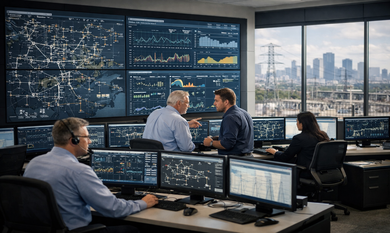
Modern systems are designed with simple dashboards. Alerts are visual and easy to understand, even for non-technical users.
Is this only for large enterprises?
Not anymore. Scalable solutions allow phased implementation, starting with one line or one defect type.
The key is to treat this as a quality improvement initiative, not an IT project.
Looking Ahead: What If You Implement This?
Imagine a factory where quality issues are identified in minutes, not weeks. Where audits are stress-free because inspection data is always ready. Where customer complaints decline because defects are caught before dispatch.
This is the competitive edge that quality assurance automation offers.
For manufacturing leaders in Pune, this approach aligns perfectly with the region’s push toward smarter, more reliable production. It allows plants to scale output without scaling risk.
Conclusion: Turning Quality Inspection into a Strategic Advantage
Quality inspection in manufacturing is no longer just about finding defects. It is about protecting brand reputation, ensuring audit confidence, and enabling production teams to scale without fear of hidden quality risks. As discussed, moving from manual sampling to AI-driven inspection is not about following an industry trend, but about asking a forward-looking question, what if every product leaving the line was verified with precision?
By adopting computer vision quality inspection systems, manufacturers can significantly reduce production defects, improve consistency across shifts, and create a stronger foundation for compliance and customer trust. When implemented thoughtfully, automated visual inspection in manufacturing becomes a business enabler rather than a technical experiment.
For production heads and QA leaders ready to explore this shift, working with the right technology partner matters. Theta Technolabs, with its expertise across Web, Mobile and Cloud solutions, helps manufacturers design scalable, practical inspection systems aligned with real factory workflows. Choosing an experienced computer vision development company ensures that AI-based defect detection delivers measurable ROI and long-term value, not just dashboards and reports.
Start Your Journey Toward Smarter Quality Inspection
If you are evaluating how automated visual inspection and quality assurance automation can fit into your manufacturing operations, now is the right time to start the conversation.
Talk to the experts at Theta Technolabs to understand how computer vision can be tailored to your production environment and quality goals.
📩 Email us at: sales@thetatechnolabs.com