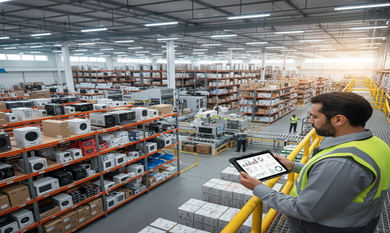
It is 2026, and energy has become one of the most strategic line items on a manufacturer’s balance sheet.
Electricity prices fluctuate weekly. Sustainability audits are no longer optional. Customers, investors, and regulators now ask the same question before signing a contract, how efficiently does your factory use energy?
Walk into a modern plant today and you will notice a shift. Production managers are not only tracking output and downtime. They are watching energy dashboards alongside them. Green factories are no longer a branding exercise. They are an operational necessity.
Now imagine a factory where machines do not just consume power silently. They communicate. They explain where energy is being used, where it is wasted, and where it can be optimized automatically. This is the promise of IoT energy monitoring in manufacturing, and in 2026, it is no longer a future concept. It is a practical opportunity waiting to be scaled.
The Potential of IoT Energy Monitoring in Manufacturing
At its core, IoT energy monitoring is about visibility.
In a traditional setup, factories rely on monthly energy bills, manual meter readings, or rough estimates per production line. By the time inefficiencies are noticed, the cost has already been absorbed.
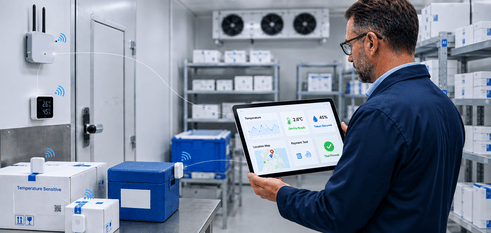
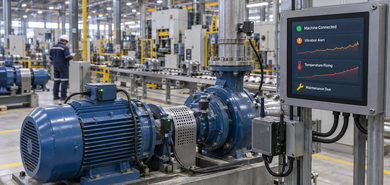
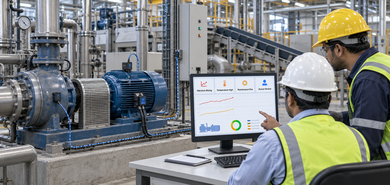
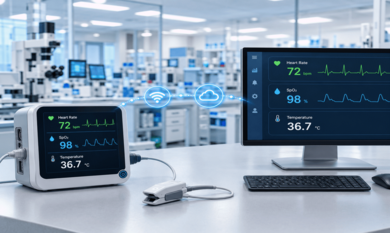
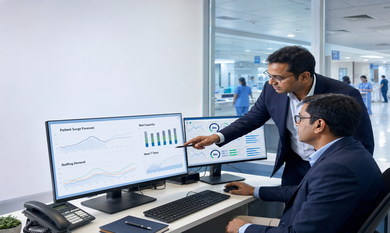
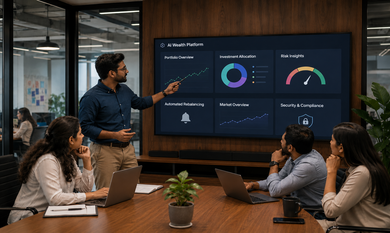
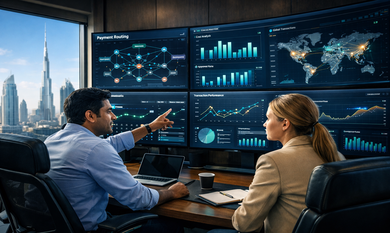
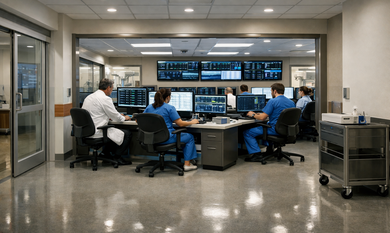
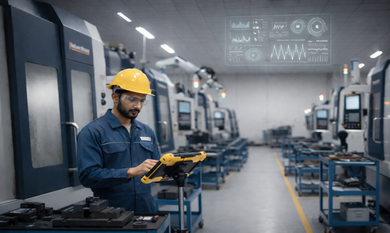
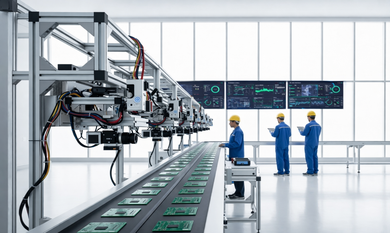
With IoT-enabled sensors installed across machines, panels, compressors, HVAC systems, and lighting, every major energy consumer becomes measurable in real time. These sensors stream data to cloud platforms where it is processed and visualized for both technical and non-technical teams.
For a factory manager, this means knowing exactly which shift consumes the most power.
For a CTO, it means having structured, time-series data that can be integrated into ERP and MES systems.
The real shift happens when energy data becomes part of daily operational decisions rather than a monthly report. That is when IoT energy monitoring in manufacturing starts influencing how production is planned, not just how it is billed.
Smart Energy Monitoring Systems, Beyond Simple Tracking

Many manufacturers assume energy monitoring stops at dashboards. In reality, smart energy monitoring systems go much further.
In 2026, these systems operate on three levels:
Real-time awareness
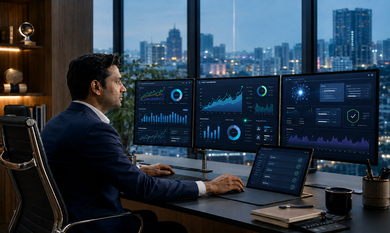
Energy consumption is tracked live at machine and process level. Spikes are detected instantly, not weeks later.
Predictive alerts
Patterns in power consumption often indicate early signs of equipment issues. A motor drawing more power than usual may be misaligned or nearing failure. Smart systems flag these anomalies before breakdowns occur.
Autonomous adjustments
Advanced setups can automatically adjust energy usage based on production demand. For example, non-critical systems can be throttled during peak tariff hours without impacting output.
This is where energy management stops being reactive. The factory does not wait for humans to intervene. It self-corrects within defined operational boundaries.
Industrial Energy Usage Analytics, The Data Advantage
Raw data alone does not reduce energy bills. Insight does.
This is where industrial energy usage analytics becomes a strategic asset. By correlating energy data with production schedules, machine cycles, and shift patterns, manufacturers uncover inefficiencies that were previously invisible.
Some common discoveries include:
- Machines consuming standby power during extended idle periods
- Compressed air leaks causing continuous energy drain
- Production lines running energy-intensive processes during peak tariff windows
- Older equipment consuming disproportionately more power per unit produced
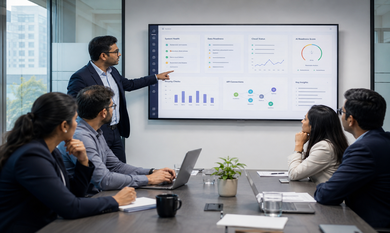
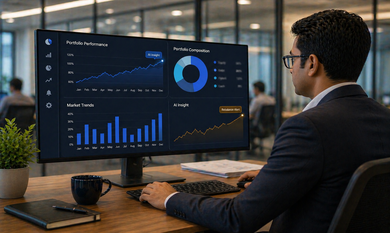
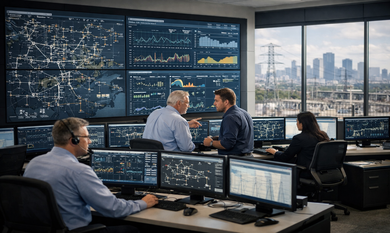
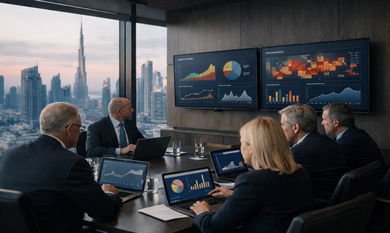
Analytics platforms turn this data into actionable intelligence. Heat maps highlight energy-intensive zones. Trend analysis shows whether efficiency initiatives are working. Scenario modeling helps leadership understand how changes in production volume affect overall power consumption.
In regions with dense manufacturing ecosystems, such as industrial clusters around Ahmedabad, early adopters are already using analytics to benchmark plants against each other and set realistic energy efficiency targets.
The Connection Between Dispatch Efficiency and Energy Savings
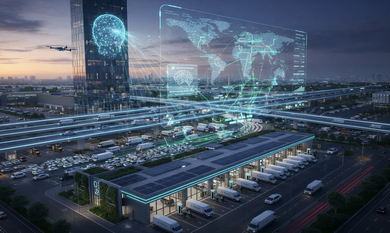
Energy waste often hides in the gaps between production and logistics. When a factory lacks real-time visibility, finished goods sit in loading bays under high-intensity lighting or temperature-controlled environments longer than necessary simply due to paperwork delays.
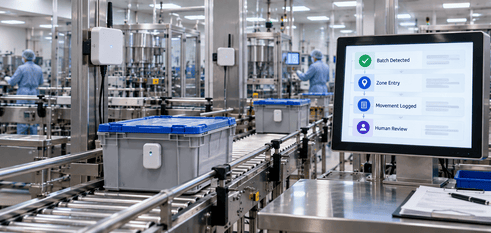
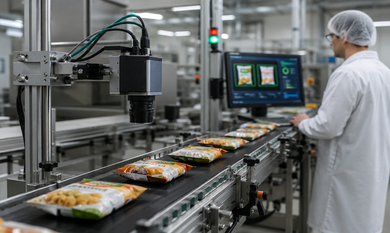
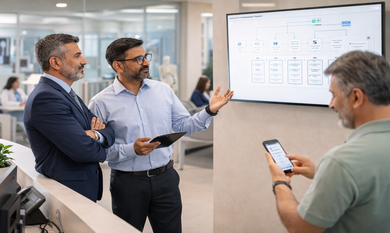
A prime example of solving this is the implementation of a streamlined production and dispatch system. By integrating mobile scanning with SAP, manufacturers eliminate manual data entry and "double-handling" of goods. From an energy perspective, this is crucial:
- Reduced Idle Time: Faster dispatch means HVAC and lighting in storage zones are used more efficiently.
- Data Integrity: You cannot accurately calculate "Energy per Unit Produced" if your production counts are trapped in manual logs.
When your dispatch system communicates instantly with your ERP, you gain a clear, digitized timeline of every product's journey. This digital thread is exactly what allows IoT energy sensors to map precise power consumption to specific batches, moving you closer to a truly "Dark Warehouse" or a fully optimized green facility.
Sustainability Metrics and ROI, Where Green Meets Profitable
By 2026, sustainability metrics are tightly linked to commercial outcomes.
Energy data collected through IoT systems feeds directly into carbon reporting frameworks. Scope 2 emissions calculations become more accurate and auditable. Sustainability teams no longer rely on estimates.
From a financial perspective, the ROI is equally compelling.
Factories using IoT-driven energy optimization typically see:
- Lower peak demand charges
- Reduced unplanned downtime linked to energy-related failures
- Extended equipment lifespan due to optimized load management
- Improved eligibility for green financing and compliance incentives
Energy efficiency is no longer viewed as a cost-saving initiative alone. It has become a competitive differentiator that impacts pricing, partnerships, and long-term valuation.
Realistic Industry Scenario
Consider a mid-sized textile manufacturing plant operating multiple dyeing and finishing units.
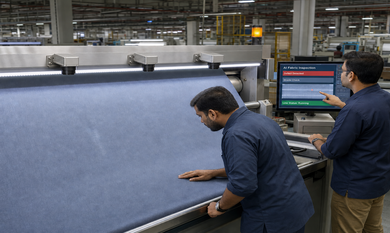
Before IoT adoption, energy consumption was tracked at a facility level. After deploying IoT sensors and analytics, the team discovered that dyeing machines consumed excessive power during warm-up cycles between batches.
By adjusting scheduling and automating power-down sequences during idle windows, the plant reduced peak-load consumption by nearly 20 percent within six months. The savings funded further automation initiatives without additional capital expenditure.
In another scenario, an auto-parts manufacturer implemented smart energy monitoring systems across CNC machines and heat treatment units. Analytics revealed that certain machines operated outside optimal energy ranges due to outdated process parameters. Fine-tuning these settings led to measurable reductions in energy per unit produced while maintaining quality standards.
These are not futuristic use cases. They are logical extensions of data-driven manufacturing in 2026. Beyond production, integrating these energy insights with a [streamlined production and dispatch system] ensures that efficiency gains aren't lost during the final stages of the supply chain.
Frequently Asked Questions
1. Is IoT energy monitoring suitable for small and mid-sized factories?
Yes. Modern IoT platforms are modular and scalable. Manufacturers can start with critical machines and expand gradually without large upfront investments.
2. Does this require replacing existing machinery?
In most cases, no. Non-intrusive sensors can be retrofitted onto existing equipment, making adoption practical for legacy plants.
3. How secure is energy data collected through IoT systems?
Enterprise-grade IoT platforms use encrypted data transmission, role-based access controls, and secure cloud infrastructure aligned with industrial cybersecurity standards.
4. How quickly can ROI be realized?
Many manufacturers begin seeing measurable cost reductions within three to six months, especially through peak-load optimization and waste identification.
5. Can energy data integrate with existing ERP or MES systems?
Yes. Most modern IoT platforms are designed for seamless integration, allowing energy insights to inform broader operational planning.
Conclusion: The Factory That Understands Its Energy Wins
In 2026, industrial energy management is no longer about reacting to rising costs. It is about understanding energy as deeply as production itself.
IoT-driven visibility, smart monitoring, and analytics transform energy from an uncontrollable expense into a managed resource. Factories that embrace this shift operate leaner, greener, and more predictably.
The real question is no longer whether IoT energy monitoring works. It is whether manufacturers are ready to use energy intelligence as a growth lever.
For businesses looking to lead this transition, partnering with an IoT development company in Ahmedabad can be the strategic step that turns energy data into long-term advantage.
Turn Energy Data into Savings
If your manufacturing operation is ready to move beyond basic monitoring and unlock intelligent energy management, now is the right time to act.
Theta Technolabs helps industrial businesses design and implement scalable IoT solutions backed by strong Web, Mobile, and Cloud expertise. From sensor integration to analytics platforms and enterprise dashboards, the focus is always on measurable operational value.
To explore how IoT can transform your energy strategy, connect with the Theta Technolabs team at sales@thetatechnolabs.com for a tailored consultation.