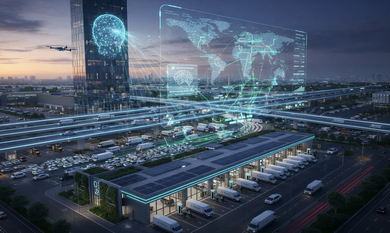
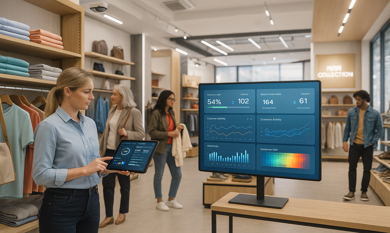
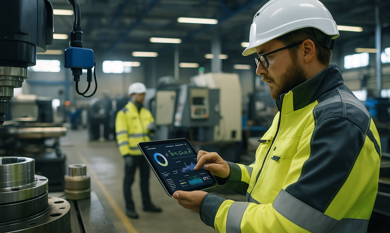
It is early morning in Bengaluru. A logistics operations manager opens their dashboard during peak season. Hundreds of vehicles are already on the move. High-priority shipments are moving across state lines—some requiring precise delivery times, others needing controlled environments, all bound by demanding customer service agreements.
Now imagine two situations.
In the first, the manager relies on legacy systems. Data updates arrive late. Vehicle data updates are infrequent. Delays often surface only after a complaint arises. The result is a reactive operating model.
In the second, the same operation runs on IoT logistics management systems. Every vehicle, pallet, and container reports its status in real time. The manager sees delays before they happen, temperature deviations as they occur, and maintenance risks days in advance.
The contrast is stark—data-driven control versus uncertainty-driven operations.
This is the reality of logistics in 2026. The question is no longer whether IoT works. The real question is simple: What if you implemented IoT-based logistics operations today?
The Shift to IoT-Based Logistics Operations
Traditional logistics systems were built for an era with manageable volumes, consistent routes, and more lenient customer demands.
Today, those systems create blind spots.
What Legacy Systems Miss
Traditional logistics platforms often rely on:
- Manual data entry
- Periodic status updates
- Disconnected fleet, warehouse, and shipment data
- After-the-fact reporting
As a result, problems are uncovered after they occur, rather than being avoided altogether.
How IoT Changes the Operating Model
IoT-based logistics operations replace fragmented systems with connected logistics platforms. Sensors, GPS devices, and telematics continuously stream data into a unified system.
Instead of asking, “What went wrong?”, teams can now ask, “What should we adjust next?”
With IoT logistics management systems in place:
- Visibility into shipments shifts from periodic checks to a constant, real-time view.
- Asset status is known, not assumed
- Decisions are proactive, not reactive
This shift alone transforms how logistics teams plan, execute, and scale operations.
Real-Time Asset Tracking Systems in Action
To understand the real value, consider a practical example.
Case Study Scenario: Pharmaceutical Logistics
A pharmaceutical distributor operating across South India moves temperature-sensitive vaccines daily. Even a short exposure outside the safe temperature range can destroy an entire shipment.
Before IoT:
- Temperature checks happened at dispatch and delivery
- Mid-route temperature deviations went unnoticed
- Losses were discovered only after delivery failures
After Implementing Real-Time Asset Tracking Systems
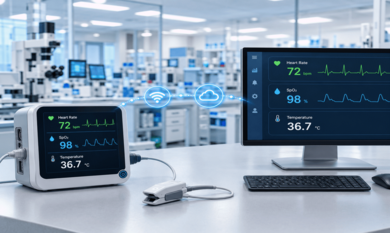
With sensor-based monitoring installed inside containers:
- Temperature, humidity, and location data stream live
- Alerts trigger instantly if thresholds are crossed
- Drivers receive route or handling instructions in real time
- Operations teams intervene before damage occurs
The result is not just compliance. It is confidence.
This is how real-time asset tracking systems protect revenue, reputation, and customer trust in logistics environments where failure is not an option.
The Business Impact: Where ROI Becomes Visible
Technology adoption only matters when it delivers measurable outcomes. IoT logistics management systems consistently do.
1. Reduced Fuel Wastage
Connected vehicles provide insights into:
- Idle time
- Route inefficiencies
- Driving behavior
- Congestion patterns
With this data, logistics leaders optimize routes dynamically and reduce unnecessary fuel consumption.
2. Zero Lost Shipments
With continuous shipment visibility:
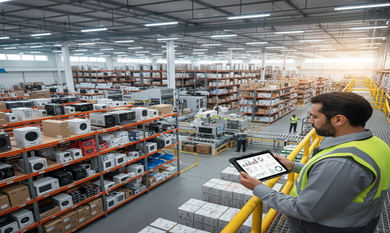
- Every asset is accounted for
- Unauthorized route deviations are flagged instantly
- Delays are detected early, not after escalation
Missing shipments are no longer accepted as unavoidable losses—they become rare, manageable anomalies.
3. Predictive Maintenance Instead of Breakdowns
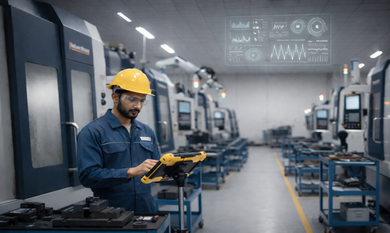
Sensor-based monitoring tracks engine health, vibration patterns, and component wear.
This allows:
- Maintenance to be scheduled before failures
- Downtime to be reduced significantly
- Asset life to be extended
Rather than relying on last-minute fixes, logistics teams can schedule maintenance proactively and reduce operational surprises.
Why IoT Scales Better Than Legacy Systems
Scaling logistics is not just about adding more vehicles or warehouses. It is about maintaining control as complexity increases.
IoT-based logistics operations scale effectively because they:
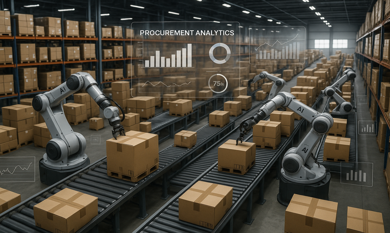
- Centralize data across fleets, warehouses, and routes
- Provide real-time insights regardless of volume growth
- Adapt automatically to new assets and regions
For fast-growing logistics hubs like Bengaluru, this scalability is critical. As operations expand across cities and states, as scale increases, visibility and control must grow in tandem to maintain performance.
Legacy systems struggle under growth. IoT platforms are designed for it.
Key Advantages at a Glance
- Unified operations through connected logistics platforms
- Continuous shipment visibility across regions
- Sensor-based monitoring for assets and cargo
- Lower operational costs through predictive insights
- Faster decision-making for both technical and non-technical leaders
Frequently Asked Questions
1. Is implementing IoT logistics management systems expensive?
The initial investment depends on fleet size and use cases. However, most organizations recover costs through fuel savings, reduced losses, and improved asset utilization within a short operational cycle.
2. How complex is implementation for existing systems?
Modern IoT-based logistics operations are designed to integrate with existing ERP, TMS, and WMS platforms. Implementation can be phased to avoid operational disruption.
3. Is shipment data secure?
Yes. Enterprise-grade connected logistics platforms use encrypted communication, secure device authentication, and controlled access to protect sensitive operational data.
4. Can non-technical teams use IoT platforms effectively?
Absolutely. These platforms prioritize usability, enabling operations leaders to make informed decisions without needing a technical background.
Conclusion
In the logistics world of 2026, decision-makers are no longer questioning the relevance of modernization—they're racing to achieve real-time control and scalable growth.
Adopting IoT logistics management systems today creates a measurable impact:
- Real-time shipment visibility
- Reduced operational risks
- Predictable cost structures
- Enhanced scalability across regions
IoT-based logistics operations don't just modernize—they optimize.
At Theta Technolabs, we empower logistics businesses to harness connected data through customized IoT development company in Bengaluru. With deep expertise in Web, Mobile and Cloud, our solutions deliver actionable insights that translate into operational excellence.
Ready to Scale Smarter with IoT?
At Theta Technolabs, we specialize in building intelligent, future-ready solutions. Let us help you design a connected logistics platform that aligns with your growth goals and delivers measurable ROI.
📩 Email us at: sales@thetatechnolabs.com