

In 2026, logistics forecasting has become too complex for spreadsheets and gut feeling. Volatile fuel prices, unpredictable weather, eCommerce demand spikes, and tight delivery SLAs have made manual forecasting unreliable. Machine learning in logistics forecasting is replacing manual methods because it can analyze thousands of data points at once, spot shipment demand patterns humans miss, and continuously improve forecast accuracy without burning out teams.
In simple terms, ML doesn’t guess. It learns, adapts, and plans ahead.
Why This Shift Is Happening Now
Logistics has always depended on forecasting. How much to ship, where to store it, and when to move it. For years, warehouse managers and planners relied on spreadsheets, past experience, and weekly reviews. That approach worked when demand was stable and data volumes were manageable.
That world no longer exists.
In 2026, logistics teams deal with:
- Daily demand volatility
- Real-time customer expectations
- Rising fuel and transportation costs
- Multi-warehouse, multi-region operations
- Pressure to reduce waste and delays
Manual forecasting simply cannot keep up with this pace.
This is why machine learning in logistics forecasting has moved from “nice to have” to “operational necessity.”
The Core Problem: Why Manual Forecasting Fails in 2026

Here’s where it breaks down.
1. Too Much Data, Too Little Time
Shipment history, seasonal demand, fuel prices, weather disruptions, promotions, regional holidays. Humans can’t process all of this together, especially under daily operational pressure.
2. Static Models in a Dynamic World
Conventional spreadsheets rely on historical repetition, a model ill-suited to today’s volatile logistics landscape. Logistics reality rarely does. One weather event or supplier delay can break the entire plan.
3. Reactive Decision-Making
Manual planning reacts after problems appear. By the time a stockout is visible, the cost has already hit revenue and customer trust.
4. Knowledge Locked in People’s Heads
When forecasting depends on individual experience, the system breaks when people leave or roles change.
In short, manual forecasting creates blind spots. And in logistics, blind spots are expensive.
The Shift: How Machine Learning Changes Logistics Forecasting

Let’s break it down simply.
How ML Forecasting Works
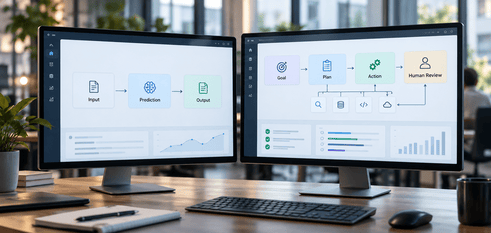
Input → Pattern Recognition → Better Prediction
- Input
ML systems consume large volumes of data:
- Historical shipment data
- Order volumes and delivery timelines
- Weather data
- Fuel price trends
- Regional demand signals
- Warehouse capacity and transit times
- Pattern Recognition
The system looks for hidden relationships. For example:
- How rain affects delivery delays in specific routes
- How fuel price changes impact shipment consolidation
- How demand spikes before regional festivals
These are patterns humans cannot consistently detect.
- Better Prediction
Using these insights, ML produces forecasts that:
- Adjust dynamically
- Improve with every shipment
- Adapt when conditions change
This is the foundation of predictive logistics analytics and AI-based demand forecasting in logistics.
Manual vs ML-Driven Logistics Planning (Quick Comparison)
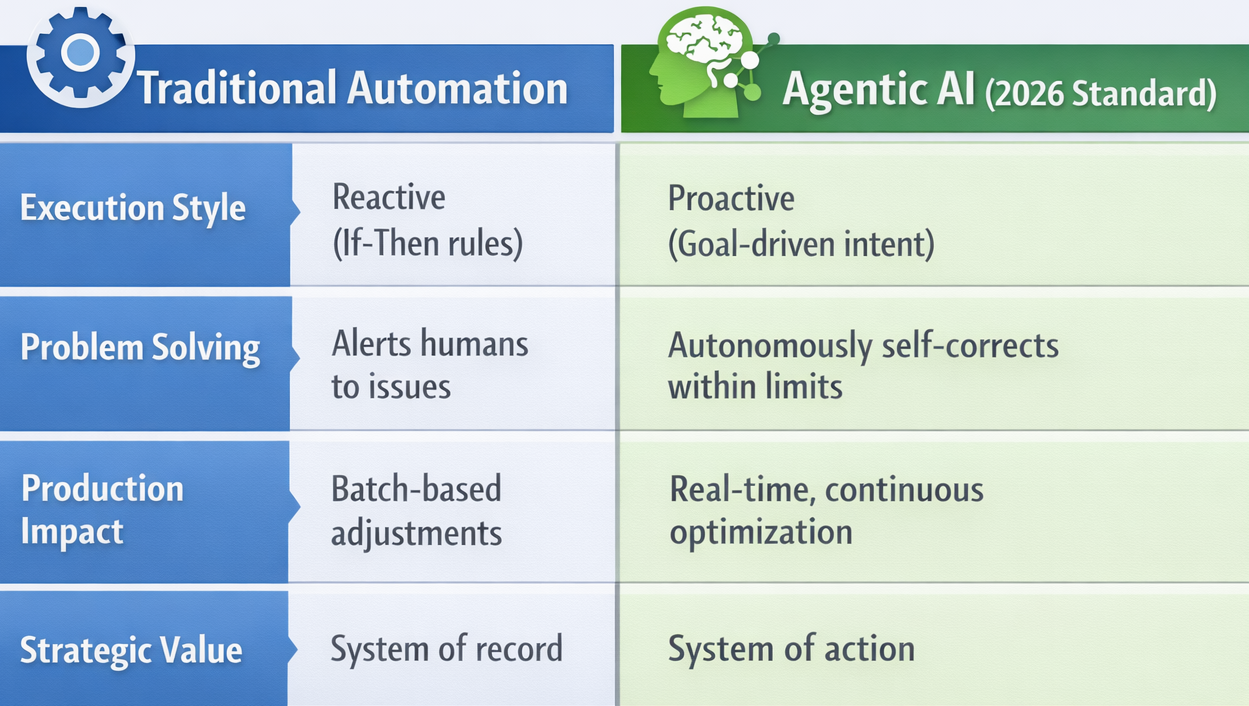
Key takeaway: ML tools support human decision-makers by eliminating guesswork, allowing them to concentrate on strategy rather than fire-fighting.
A Realistic Scenario: The Ahmedabad Logistics Wake-Up Call
Let’s bring this to ground level.
The Situation
In Ahmedabad, a mid-sized logistics company handled FMCG and retail shipments across Gujarat and Rajasthan. Planning was done using Excel sheets maintained by senior staff. Forecasts were reviewed weekly.
On paper, everything looked fine.
But reality told a different story:
- Frequent “invisible” stockouts at regional warehouses
- Last-minute vehicle hiring at premium rates
- Customer complaints about delayed deliveries
- Teams working overtime to fix surprises
The biggest frustration? Problems appeared suddenly, without warning.
The Turning Point
In late 2025, leadership realized the issue wasn’t execution. It was forecasting.
They implemented an ML-driven forecasting system using AI-based demand forecasting in logistics. The system analyzed:
- Three years of shipment data
- Seasonal demand cycles
- Route-level delay patterns
- Weather impact on delivery times
The Outcome (Within Months)
- Stockouts dropped significantly because risks were flagged early
- Vehicle utilization improved through better planning
- Forecast accuracy increased without adding headcount
- Teams stopped firefighting and started planning
The biggest change was not technology. It was confidence. Managers trusted the numbers again.
This demonstrates how predictive analytics in logistics translates directly into measurable operational improvements.
Why Machine Learning Feels “Smarter” Than Traditional Systems
In 2026, ML forecasting is often paired with newer concepts like Agentic AI and autonomous dispatching.
Here’s what that means in practice.
- The system doesn’t just forecast demand
- It suggests shipment adjustments
- It flags capacity risks
- It recommends rebalancing inventory across locations
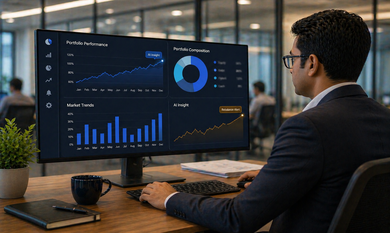
Instead of dashboards shouting alerts, systems quietly guide better decisions.
This shift is often described as moving from “reporting systems” to “decision systems.”
What Warehouse Managers Actually Notice First
For non-technical leaders, the impact is practical and immediate.
- Fewer surprise shortages
- Smoother warehouse operations
- Less stress during peak seasons
- Clearer visibility into upcoming demand
Machine learning in logistics forecasting works because it aligns with how operations really run, not how spreadsheets assume they do.
Frequently Asked Questions
Q: Is machine learning forecasting too complex for my team?
A: No. The complexity stays behind the scenes. Teams interact with simple dashboards and recommendations, not algorithms.
Q: How is this different from traditional forecasting software?
A: Traditional tools use fixed rules. ML learns from data continuously and adapts as conditions change.
Q: Do we need perfect data to start?
A: No. ML systems improve over time. Even imperfect historical data can deliver value quickly.
Q: Does this replace planners and managers?
A: Not at all. It supports them. Human judgment plus ML insight leads to better logistics planning.
Connected Intelligence in Logistics
Rather than replacing human expertise, the future of logistics forecasting lies in fusing data-driven automation with operational insight.
- Humans bring context and judgment
- ML brings speed, scale, and pattern recognition
Together, they build resilient logistics operations that can handle uncertainty instead of reacting to it.
This is why machine learning in logistics forecasting is no longer experimental in 2026. It’s becoming standard practice for companies that want predictable growth, controlled costs, and reliable delivery performance.
Conclusion: Planning That Looks Forward, Not Back
Logistics in 2026 leaves little room for guesswork. When demand shifts daily and disruptions are the norm, looking only at past data is no longer enough. This is why organizations are moving beyond manual methods toward AI-based demand forecasting in logistics and predictive logistics analytics. These approaches help teams anticipate risks, understand shipment demand patterns, and improve forecast accuracy without adding operational pressure.
With the right foundation, machine learning becomes a practical planning ally, not a complex experiment. Theta Technolabs, a leading machine learning development company in Ahmedabad with expertise across Web, Mobile, and Cloud solutions, helps logistics businesses replace reactive planning with intelligent, data-driven forecasting built for real operational challenges.
Connect with our team
If you are evaluating how machine learning can strengthen your logistics forecasting and planning workflows, our team can help you assess the right approach.
Connect with Theta Technolabs for a focused consultation at sales@thetatechnolabs.com and explore how ML-driven forecasting can bring clarity, control, and resilience to your logistics operations.