

Physiotherapy clinics are under growing pressure to deliver better recovery outcomes while handling more patients, more documentation, and higher expectations for measurable treatment progress. In Hyderabad, this challenge is especially relevant for rehabilitation centers and private physiotherapy chains that want to improve care quality without overloading therapists with manual observation and repetitive reporting.
This is where AI in physiotherapy clinics is becoming a practical discussion, not just a future concept. With the right implementation approach, AI and computer vision can help clinics track posture, joint movement, exercise compliance, and rehabilitation milestones more consistently. Instead of relying only on manual notes or occasional visual checks, clinics can use digital systems to support progress monitoring with higher repeatability.
For decision-makers evaluating modernization, the opportunity is not about replacing therapists. It is about using computer vision physiotherapy solutions and AI rehabilitation monitoring systems to strengthen clinical accuracy, improve visibility into patient recovery, and support more standardized outcomes across sessions. When planned properly, this can also support physiotherapy clinic automation AI initiatives in reporting, patient follow-up, and treatment review workflows.
The Operational Challenge in Modern Physiotherapy Clinics
Many physiotherapy clinics still depend heavily on therapist observation, patient self-reporting, and manually recorded progress notes. While clinical expertise remains central, this model can create gaps when clinics try to scale services or maintain consistency across multiple practitioners.
Common issues include:
- Difficulty measuring small improvements in posture, gait, or movement range over time
- Limited visibility into whether patients are performing prescribed exercises correctly
- Inconsistent documentation between therapists or across branches
- Time lost in manual progress tracking and session reporting
- Missed opportunities for early intervention when recovery slows down
- Poor adherence outside supervised sessions
These issues directly affect treatment quality, resource planning, and patient trust. For clinic owners and rehab directors, the real challenge is not only providing therapy, but proving improvement in a structured way. This is why interest in AI posture detection healthcare, rehabilitation progress tracking AI, and computer vision for movement analysis is increasing across advanced rehab centers.
How the Solution Can Be Implemented
A successful implementation usually starts with one focused use case rather than a full clinic-wide rollout. For example, a physiotherapy clinic in Hyderabad may begin by using AI to monitor posture correction exercises, knee rehabilitation routines, or shoulder mobility sessions.
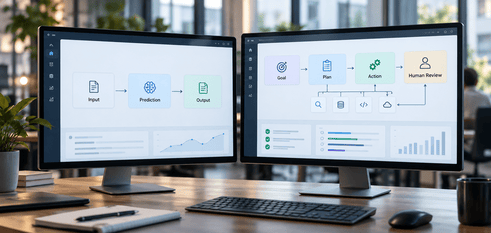
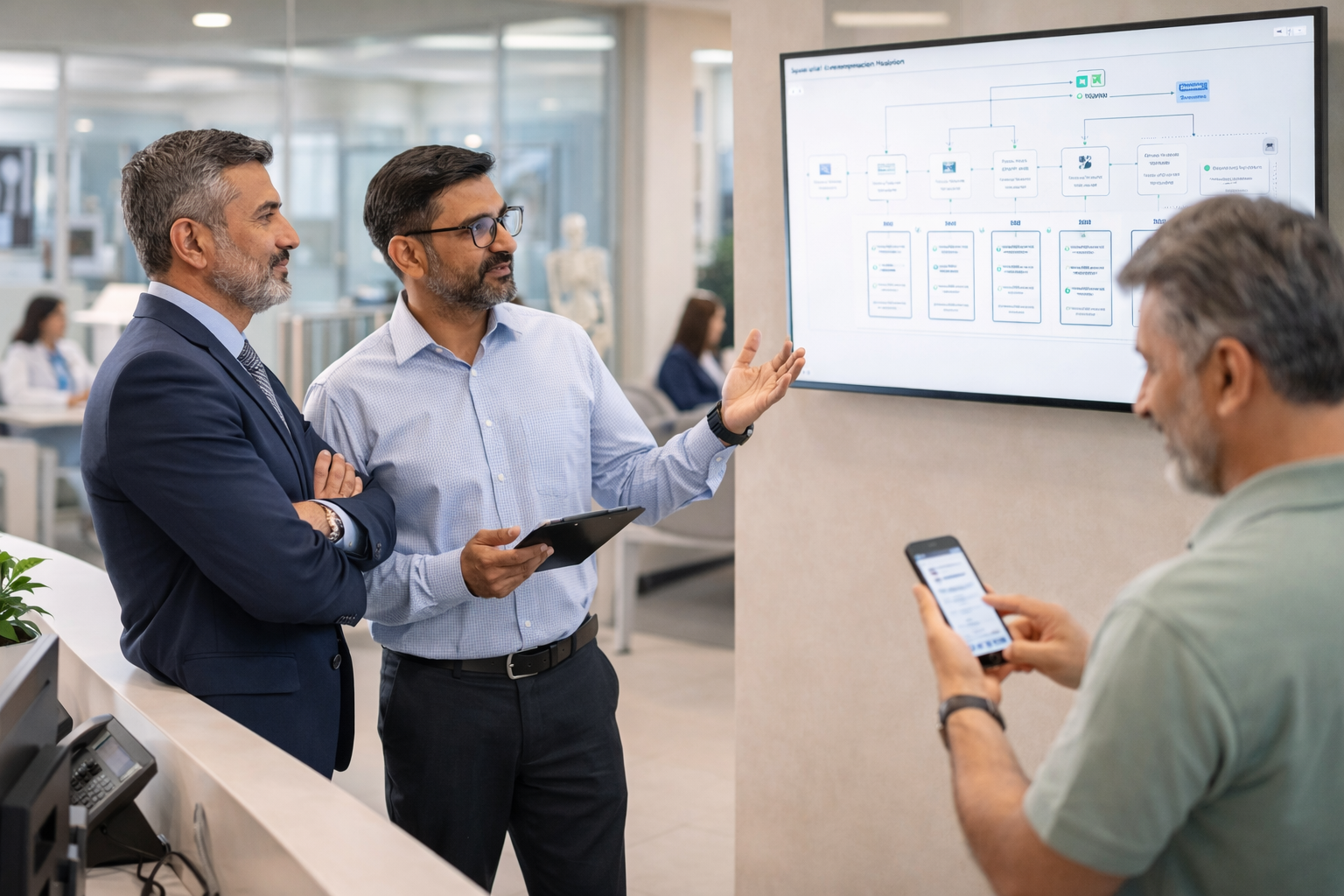
Fig: AI-powered physiotherapy workflow showing movement capture, posture analysis, and recovery tracking
A practical rollout can follow this path:
1. Identify a high-value rehabilitation workflow
Clinics should start with treatment areas where movement quality is critical and measurable, such as post-operative rehabilitation, sports injury recovery, lower back pain management, or posture correction. This helps create a clear business case for AI-assisted physical therapy.
2. Capture movement data during therapy sessions
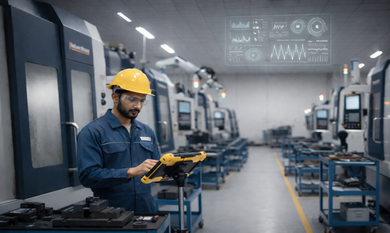
Using cameras, mobile devices, or sensor-assisted setups, the clinic can record patient movement during selected exercises. The system can then analyze body alignment, angle changes, balance, repetition quality, and motion symmetry. Before analysis begins, the system should capture the patient’s initial range of motion (ROM), posture alignment, and movement limitations. This baseline is critical for tracking accurate recovery progress over time.
3. Apply AI-based interpretation
The AI layer can compare recorded movements against expected motion patterns. This is where computer vision physiotherapy solutions become useful. Instead of only storing video, the system can turn motion into measurable insights that therapists can review during or after the session.
4. Build progress tracking into therapist workflows
Insights should flow into dashboards or patient records in a simple way. The goal is not to create extra work for therapists, but to support faster and more reliable decision-making. A clinic can use AI-powered movement tracking solutions to highlight progress trends, flag form issues, and identify cases needing treatment adjustments.
5. Extend monitoring beyond the clinic
Once the in-clinic workflow is stable, clinics can add remote exercise monitoring for home-based rehab. This is especially useful for patients who need long-term adherence support. It also strengthens AI solutions for rehabilitation centers in Hyderabad by expanding visibility beyond scheduled appointments.
Key Capabilities and Functional Components
For this use case to deliver value, the solution should focus on clinically relevant functions rather than generic AI features.
Movement and posture analysis
The system should be able to detect body landmarks and assess how a patient moves during therapy. This supports AI for posture correction in physiotherapy and can help therapists review alignment, balance, and motion quality more objectively.
Exercise adherence tracking
One of the most useful features is the ability to see whether patients are completing prescribed routines correctly and consistently. This can improve accountability and support more effective home rehabilitation programs.
Progress trend visualization
Clinics need trend-based reporting, not just raw data. Dashboards should show range of motion improvements, exercise completion rates, posture correction changes, or gait stability over time. This is central to rehabilitation progress tracking AI.
Therapist decision support
The system should not act as a clinical replacement. Instead, it should give therapists better inputs for treatment adjustments. Used this way, smart physiotherapy solutions can support stronger clinical judgment rather than complicate it.
Alerting for stalled recovery
If a patient's movement pattern stops improving or shows inconsistency across sessions, the platform can flag it for deeper review. This helps therapists intervene earlier.
Technology Stack
Clinics considering AI in physiotherapy clinics should focus on a practical, secure architecture that fits real workflows.
A typical implementation may include:
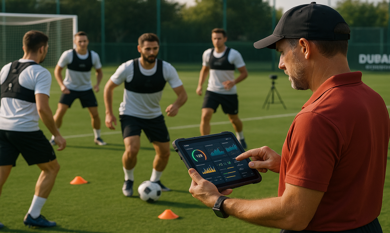
- Camera-enabled capture through tablets or smartphones provides a practical, markerless alternative to specialized wearable sensors, making objective movement tracking more accessible for daily clinical sessions.
- Computer vision models for pose estimation and movement analysis
- A cloud or hybrid platform for storing processed session data
- Dashboard interfaces for therapists and clinic managers
- Integration with EMR, scheduling, or patient engagement systems where relevant
- Role-based access controls for privacy and auditability
From a workflow perspective, the system should be lightweight. Therapists should be able to start a session, capture movement, review summaries, and store results without switching across too many tools. A poor interface can reduce adoption even if the AI itself is strong.
For Hyderabad-based clinics, scalable deployment matters. A single-center pilot may later expand to a multi-branch environment, so the architecture should support standardized workflows, centralized reporting, and clinic-level benchmarking. This is where physiotherapy clinic automation AI can create value beyond treatment rooms by improving operational consistency. Common frameworks such as MediaPipe and OpenPose are typically used for real-time pose estimation, enabling accurate body landmark detection without requiring wearable sensors
Commercial Impact
When implemented correctly, the commercial case is strong. Clinics do not invest in AI just for innovation language. They invest when it can improve outcomes, efficiency, and patient confidence.
Possible benefits include:
Better treatment accuracy
According to the proof guidance provided, clinical implementation can support an improvement in patient movement tracking accuracy can be achieved with well-trained models and consistent data capture. For physiotherapy, this can mean more reliable recovery assessment and better-informed treatment changes.
Higher patient adherence
Clinical data indicates that AI-assisted feedback systems significantly improve patient engagement, as real-time visual guidance helps patients stay committed to their prescribed recovery plans. This matters because missed exercises and poor form are major reasons rehabilitation plans underperform.
Faster reporting and lower admin burden
Automated progress summaries can reduce therapist documentation effort and give directors clearer operational visibility.
Stronger patient trust
When patients can see measurable recovery trends, they are more likely to stay engaged. This is valuable for both care quality and retention.
Better scalability for growing clinics
For private physiotherapy chains and rehabilitation networks, standardized AI-supported monitoring can help maintain quality as patient volume increases.
In practical terms, this answers the question of how AI improves physiotherapy treatment accuracy. It does not do so through vague automation claims, but through better observation support, cleaner progress records, and more structured treatment review.
Adoption Considerations
Healthcare-related AI adoption needs balance. Even when the use case is movement tracking rather than diagnosis, clinics should manage implementation carefully.
Important considerations include:
Video and motion data should be handled with clear patient consent, encrypted storage, and controlled access policies, aligned with applicable healthcare data protection standards and local regulatory requirements.
Clinical oversight
AI serves as a powerful observational aid that enhances therapist insight; however, human clinical judgement remains the final authority, particularly for assessing subjective pain levels and complex neurological recovery.
Model reliability
Movement analysis models should be validated across body types, mobility conditions, and lighting environments to avoid inconsistent outputs.
Workflow fit
If the system slows therapists down or feels disconnected from the treatment process, adoption will be weak. Usability matters as much as model quality.
Outcome clarity
Clinics should define success early. This may include reduced reporting time, stronger adherence, improved documentation quality, or more consistent posture assessment.
Implementation Example
Consider a rehabilitation center in Hyderabad that specializes in orthopedic recovery and posture correction. The clinic begins with a pilot for knee rehabilitation and lower back therapy.
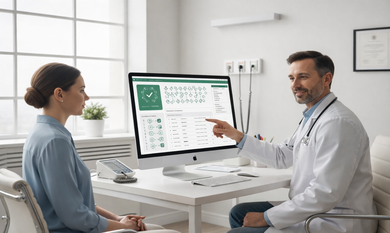
Patients perform prescribed movements in front of a guided camera setup during their sessions. The system maps joint movement, posture alignment, and repetition quality. Therapists receive a session summary showing movement consistency, form deviations, and progress against baseline.
Over the next few months, the clinic notices that therapists can identify technique issues earlier, patients understand their progress more clearly, and home-exercise compliance improves because feedback is more visual and specific. Management also gains branch-level visibility into therapist workflows and treatment consistency.
This is a realistic example of computer vision use cases in physiotherapy clinics. It shows how implementation can move from a controlled pilot to a broader operational advantage.
Why This Matters for the Hyderabad Market
Hyderabad is an important market for digital healthcare adoption, with advanced rehabilitation centers, private physiotherapy chains, and health innovation decision-makers looking for scalable tools that improve outcomes and efficiency.
For this audience, the value is practical:
- Better ability to modernize rehabilitation workflows without disrupting therapist-led care
- Stronger support for measurable patient progress
- Improved visibility into clinic-level performance
- Clearer differentiation in a competitive healthcare market
This is why AI solutions for rehabilitation centers in Hyderabad deserve serious attention. Clinics that adopt the right model carefully can improve care quality while also building stronger operational systems for long-term growth.
Conclusion
The future of AI in physiotherapy clinics is not about replacing rehabilitation specialists. It is about helping them work with better movement data, stronger patient visibility, and more consistent progress tracking. In Hyderabad, clinics that want to improve treatment quality, posture monitoring, and patient adherence can benefit from a phased implementation approach that combines computer vision, workflow integration, and therapist oversight.
When applied well, computer vision physiotherapy solutions and AI rehabilitation monitoring systems can support more accurate recovery tracking, clearer progress reporting, and better long-term rehabilitation outcomes. For organizations looking to build these capabilities with the right technical depth and healthcare workflow understanding, partnering with an AI development company in Hyderabad can make implementation more structured and scalable.
Get Started Today
Looking to build a smarter rehabilitation platform for your clinic or healthcare network?
Theta Technolabs can help you design and implement AI-driven solutions for physiotherapy workflows, patient engagement, and recovery monitoring.
Our team also supports custom web, mobile, and cloud development, so your solution can connect smoothly with patient apps, internal dashboards, and future digital health platforms.
To discuss your use case, reach out at sales@thetatechnolabs.com.
Frequently Asked Questions
1. What is AI in physiotherapy clinics?
AI in physiotherapy clinics refers to the use of intelligent systems to support movement tracking, posture analysis, progress monitoring, and workflow automation. It can help therapists make treatment review more consistent and data-informed.
2. How can computer vision help physiotherapy treatment?
Computer vision can analyze body movement, posture, and exercise form through camera-based tracking. This can improve assessment quality, help identify technique issues early, and support better rehabilitation planning.
3. Is AI meant to replace physiotherapists?
No. AI should support physiotherapists, not replace them. The most effective model is therapist-led care enhanced by better tracking, reporting, and movement analysis tools.
4. What are the best use cases for AI rehabilitation monitoring systems?
Common use cases include posture correction, orthopedic recovery, gait analysis, exercise compliance tracking, sports injury rehabilitation, and home-based therapy follow-up.
5. Can small or mid-sized clinics in Hyderabad implement this technology?
Yes. A clinic can begin with a focused pilot, such as posture correction or post-surgical rehabilitation, and expand gradually. A phased rollout reduces risk and improves adoption.
6. What should clinics consider before implementing AI-powered movement tracking solutions?
They should review workflow fit, patient consent, data privacy, therapist usability, model reliability, and integration needs. Starting with a clear success metric is also important.
7. What business value can physiotherapy clinic automation AI create?
It can reduce manual reporting effort, improve patient adherence, strengthen treatment consistency, and give management better visibility into rehabilitation outcomes and clinic performance.