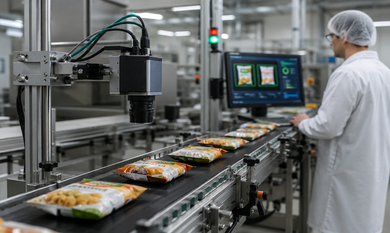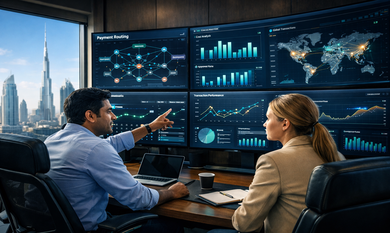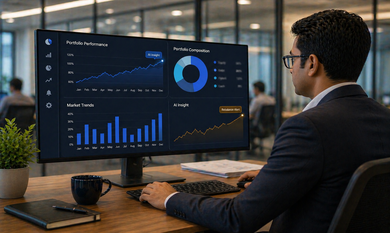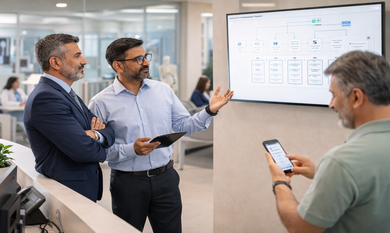


Manufacturing has reached a tipping point where traditional oversight can no longer keep up with global supply chain demands. Instead of looking backward at months of paperwork, forward-thinking plants are now utilizing live, unchangeable records to ensure that every component and compliance check is validated the moment it happens.
This gap is where audits begin to fail. Data lives in multiple systems. Records are updated after the fact. Audit teams spend more time validating data than assessing risk. What manufacturers are now implementing instead is a shared, tamper-proof data layer that acts as a single source of truth.
This is where blockchain audit transparency in manufacturing has moved from theory to practice. Blockchain is no longer experimental. It is becoming the backbone for how audit data is captured, verified, and reviewed across modern factories.
The Shift to Blockchain-Based Audit Trails
From fragmented records to shared reality
In traditional audits, floor managers, quality teams, and compliance officers all maintain their own versions of the truth. Even when everyone is honest, mismatched timestamps, delayed entries, and manual corrections create doubt.
With blockchain-based audit trails, every critical event is recorded once and shared instantly across stakeholders. These events include:
- Production batch completion
- Quality inspection results
- Machine calibration logs
- Material movement and sourcing updates
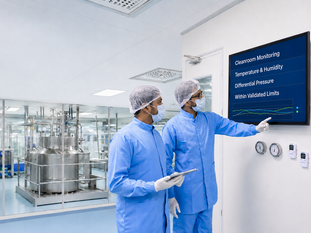
- Environmental and safety readings
Each entry is time-stamped, cryptographically secured, and linked to the previous record. Once written, it cannot be altered without leaving evidence.
What this changes on the shop floor
For floor managers, this means fewer interruptions during audits. Data is already validated by the system. For auditors, it means less sampling and more confidence. Audit accuracy improves because the data trail is complete, chronological, and verifiable.
Instead of asking, “Can you prove this happened?” auditors now ask, “What does the data show?” That shift is subtle but powerful.
Removing Friction from Compliance Workflows
How manufacturing compliance audit systems are evolving
In 2026, leading manufacturers are not replacing their existing ERP, MES, or quality systems. They are integrating blockchain as an audit layer above them.
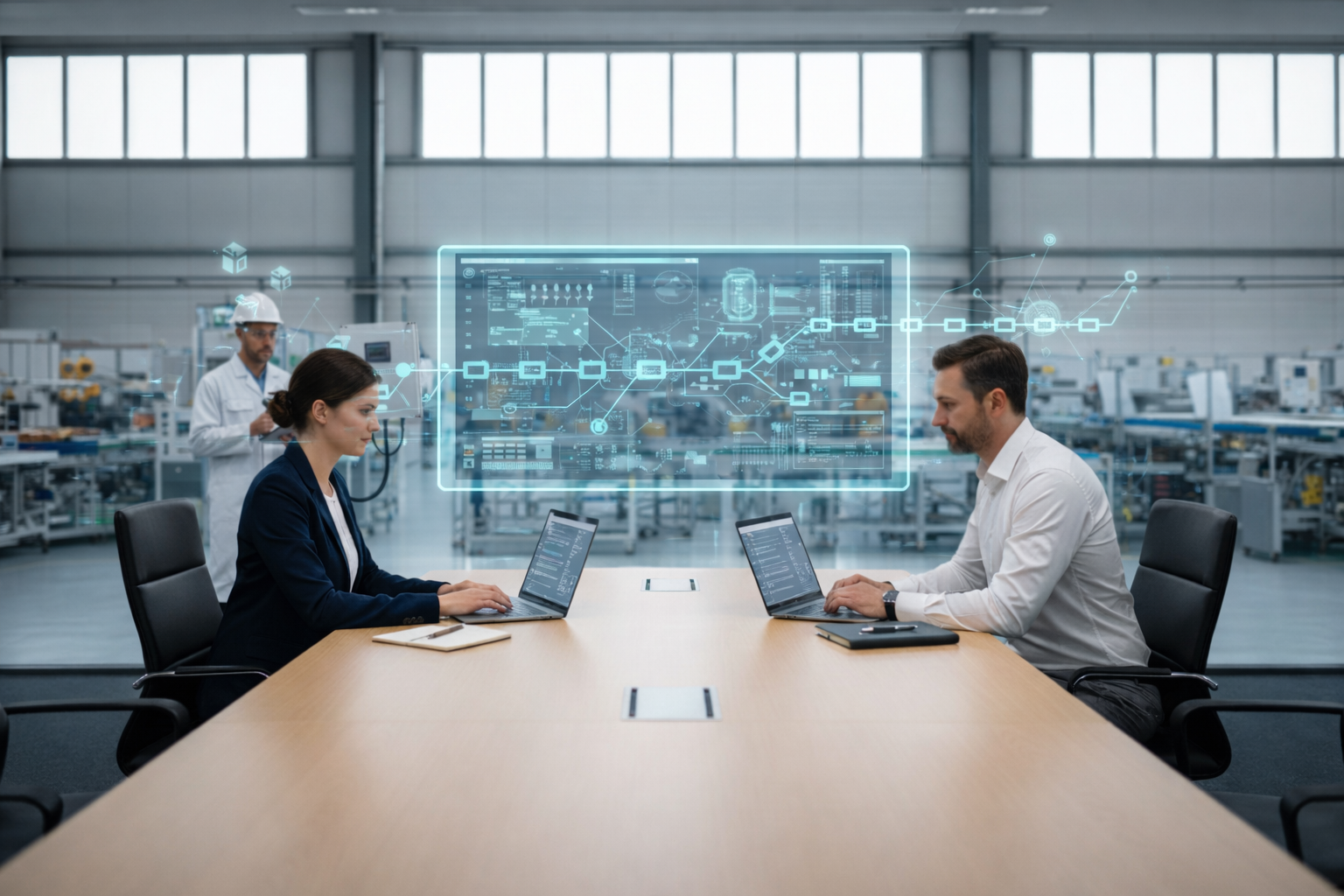
Here is how manufacturing compliance audit systems are being integrated in practice:
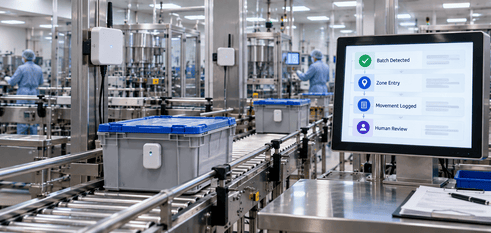
- Event capture at the source
Machines, sensors, and operator inputs generate audit-relevant events automatically.
- Blockchain validation layer
Each event is hashed and written to a permissioned blockchain network.
- Role-based access for auditors and regulators
Auditors can view records without changing them. Regulators can verify compliance without requesting raw files.
- Automated compliance checks
Smart rules flag deviations instantly, not weeks later.
This approach reduces manual effort while improving regulatory compliance. Audit preparation shifts from months of data gathering to real-time readiness.
Compliance becomes continuous, not reactive
Instead of preparing for audits, teams stay audit-ready every day. This is one of the biggest operational shifts manufacturers are experiencing in 2026.
Real-World Scenario: Passing a Complex Audit in Hours
A practical implementation story
Consider a high-tech electronics manufacturing plant operating in Bengaluru. The factory exports to multiple regions and must comply with strict ESG, safety, and traceability regulations.
Previously, audits took weeks. Teams pulled data from production systems, environmental logs, and supplier portals. Every discrepancy triggered follow-up emails and clarifications.
In 2026, the factory implemented blockchain audit transparency in manufacturing as a shared audit layer.
Here is what changed:
- Every production batch generated a blockchain record
- Energy usage and emissions data were logged automatically
- Supplier certifications were linked directly to material entries
- Quality inspections were recorded at the moment of approval
When an ESG audit was initiated, auditors received read-only access to the blockchain dashboard. They traced materials, verified emissions thresholds, and reviewed quality compliance within hours.
The result was not just speed. It was trust. The audit passed with minimal back-and-forth, and the factory avoided costly delays.
Blockchain Concepts Made Practical
Think of blockchain as a digital permanent marker
A useful way to understand blockchain is to imagine writing important records with a permanent marker instead of a pencil.
Once written:
- The record cannot be erased
- Any attempt to change it is visible
- Everyone sees the same version
This concept is known as data immutability. In manufacturing audits, this matters because it removes doubt around when and how records were created.
Traceable transactions without complexity
Every audit event is linked to the one before it. This creates traceable transactions that show the full lifecycle of a product, process, or compliance activity.
You do not need to understand cryptography to benefit from it. What matters is that auditors and regulators can trust the trail without manual verification.
How Blockchain Eliminates Audit Errors
With blockchain-based audit trails, accuracy improves because:
- Data is captured automatically, not re-entered
- Records are time-stamped at the source
- Human error is reduced
- Audit scope shifts from sampling to full visibility
Manufacturers report fewer audit findings and faster resolution cycles. In regulated industries, this directly reduces operational risk.
The Broader Impact on Manufacturing Operations
Blockchain audit transparency in manufacturing does more than streamline audits. It reshapes how trust flows across the organization.
- Suppliers become accountable through shared records
- Quality teams gain real-time visibility
- Leadership gains confidence in compliance reporting
This creates a foundation for smarter, more resilient manufacturing operations.
Conclusion
As manufacturing continues to digitize, audits can no longer remain manual, fragmented, or retrospective. Blockchain is becoming the backbone that connects operations, compliance, and trust into a single system.
Looking ahead, factories that adopt blockchain-based audit trails will move faster, respond to regulators with confidence, and reduce compliance risk significantly.
Theta Technolabs is a leading blockchain development company specializing in Web, Mobile, and Cloud solutions, helping manufacturers design and deploy secure, scalable audit systems that align with the future of industrial technology.
Upgrade Compliance with Blockchain
If your manufacturing audits still rely on manual reconciliation, now is the time to rethink the foundation. Theta Technolabs works with manufacturing teams to design blockchain-led audit systems that reduce friction, improve transparency, and support continuous compliance.
Connect with our team to explore how blockchain can modernize your audit and compliance workflows and align them with real operational realities.
Contact us at: sales@thetatechnolabs.com
Frequently Asked Questions
Is blockchain expensive to implement for audits?
Costs in 2026 are far lower than early pilots. Most manufacturers deploy permissioned blockchain networks that integrate with existing systems, keeping infrastructure lean and predictable.
How long does implementation usually take?
A phased rollout typically takes 8 to 12 weeks for core audit processes. Many factories start with quality or compliance logs before expanding coverage.
Is audit data secure on blockchain?
Yes. Permissioned access, encryption, and role-based visibility ensure that sensitive manufacturing data is protected while remaining verifiable.
Do auditors accept blockchain records?
In 2026, auditors increasingly expect digital-first evidence. Blockchain records are widely accepted because they improve audit accuracy and transparency.
Does this replace internal audit teams?
No. It enhances them. Teams spend less time validating data and more time analyzing risks and improving processes.