

It is 2026, and hospitals no longer measure patient experience solely by clinical outcomes. The modern patient judges a facility by response time, clarity, and emotional reassurance. People expect answers when questions arise, not hours later. Simultaneously, care teams expect systems that act as a safety net, not a source of extra administrative work.
Now, imagine a healthcare environment where patient queries are acknowledged instantly and routine logistics are handled automatically. This allows clinical staff to focus on care that truly requires human judgment. This is the practical potential of intelligent chatbots for patient support when implemented as a core operational pillar rather than a temporary trend.
This isn’t a discussion about why hospitals are adopting AI—it’s a look at what happens when they do, and how these systems can realistically be implemented to deliver measurable impact.
What If Patient Communication Was Always Available?
In a multi-specialty hospital, communication shouldn't stop at the discharge desk. Questions continue to flow regarding medications, follow-ups, and test results. In the past, these interactions relied on overwhelmed call centers and nursing staff.
With AI-powered healthcare chatbots, hospitals can design a support layer that operates continuously across departments without fatigue.
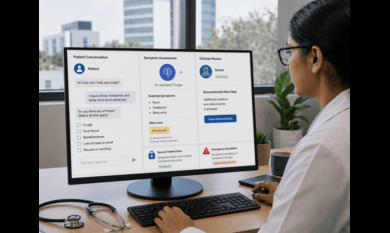
Practical Implementation Scenario: A patient sends a message at 11:30 PM asking about post-surgery medication timing. Instead of waiting for a callback the next morning, the chatbot provides guidance based on pre-approved care protocols, flags urgent symptoms, and logs the interaction directly into the patient record. By morning, clinicians aren't facing a backlog; they’re arriving with full context.
This is support automation working quietly in the background to bridge the gap between office hours.
Reducing Burnout: The Real-World ROI
One of the most significant impacts of automated patient communication systems is how they protect the mental bandwidth of clinical teams.
What If Clinicians Handled Fewer Repetitive Questions? Hospitals implementing intelligent chatbots typically route 40% to 60% of repetitive queries away from human staff. These include:
- Appointment rescheduling and confirmations.
- Pre-visit fasting or preparation instructions.
- Insurance verification and billing queries.
- Post-treatment care reminders.
This response time reduction directly impacts clinician burnout. Nurses spend less time on the phone, and front desks handle fewer interruptions. For hospital administrators, response time shifts from a subjective "feeling" to a measurable, high-performing KPI.
Designing for Engagement, Not Scripts
In 2026, the effectiveness of intelligent chatbots for patient support depends on empathy as much as accuracy. Successful implementations prioritize:
- Context-Awareness: Responses based on the patient’s specific history.
- Language Clarity: Simple, calm, and jargon-free explanations.
- Seamless Escalation: Recognizing when a human must take over.
For instance, if a patient repeatedly asks about pain levels, the chatbot shouldn't repeat generic advice. It should recognize the emotional signal, escalate the ticket to a triage nurse, and provide that nurse with a concise summary of the patient's concerns. This is how patient engagement improves naturally—by using technology to make human care more accessible.
Implementation Across Large Hospital Networks
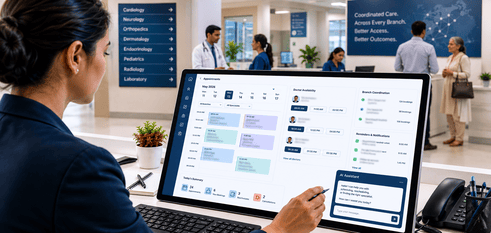
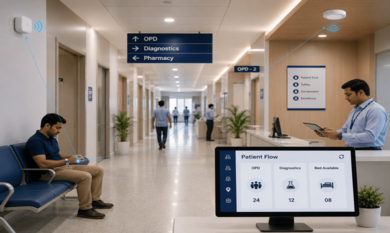
In large networks, fragmentation is a major hurdle. Cardiology, orthopedics, and billing often operate on separate channels. A centralized chatbot platform connects these silos. When integrated correctly, it talks to:
- Hospital Information Systems (HIS)
- Electronic Health Records (EHR)
- Mobile Patient Portals
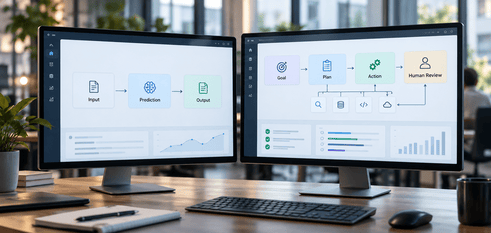
A centralized chatbot platform connects these silos. When integrated correctly, it talks to Hospital Information Systems and Electronic Health Records. This integration is the first step toward a fully autonomous digital clinic. In fact, many of the same principles of Agentic AI currently redefining telemedicine workflows are being applied to chatbots to ensure that patient support is not just fast, but clinically intelligent.
Healthcare groups in cities like Hyderabad are increasingly moving toward this integrated approach. Midway through implementation, many organizations partner with an experienced AI development company in Hyderabad to ensure healthcare-grade security and compliance (like HIPAA/GDPR) are baked into the architecture from day one.
Measuring Success: What Administrators Actually Track
By 2026, leadership looks beyond vanity metrics. The success of AI-powered healthcare chatbots is evaluated through operational outcomes:
- Resolution Rate: Volume of interactions resolved without human intervention.
- Call Center Load: Percentage decrease in routine inbound calls.
- Patient Sentiment: Improvement in satisfaction scores post-implementation.
When implemented correctly, automated patient communication systems become a stabilizing force during peak hours and staffing shortages.
Frequently Asked Questions
1. Can chatbots handle sensitive patient conversations? Yes. When designed with healthcare compliance in mind, they use predefined safeguards and immediate escalation paths for any topic requiring clinical or emotional nuance.
2. Do these systems replace human care teams? No. They act as "digital assistants" that handle the noise, allowing human clinicians to focus on high-value, complex care.
3. How long does implementation usually take? A phased rollout typically takes 8 to 12 weeks, moving from non-clinical interactions to care-related workflows.
4. Are patients comfortable using AI in 2026? Most patients interact with AI daily. Comfort increases when the responses are timely, clear, and actually solve their problems.
Conclusion: The Next Layer of Support
Intelligent chatbots are no longer an "add-on" feature; they are part of modern healthcare infrastructure. Hospitals that implement them thoughtfully see stronger patient engagement, a measurable response time reduction, and a more sustainable environment for their staff.
Organizations like Theta Technolabs work with providers to deploy secure, scalable solutions across Web, Mobile and Cloud environments. When aligned with operational needs, modern chatbot development services help healthcare systems transition from reactive messaging to proactive, patient-first support.
Build Always-On Patient Support
If you are exploring how intelligent chatbots can fit into your 2026 patient support strategy, connect with the healthcare technology team at Theta Technolabs.
Reach out to sales@thetatechnolabs.com to discuss practical implementation paths, compliance-ready architecture, and measurable outcomes for your organization.