It is 2026, and hospitals have quietly crossed a turning point.
A few years ago, most healthcare leaders associated AI with chatbots, basic automation, or predictive dashboards. These tools helped, but they largely reacted. They answered questions, generated reports, or flagged issues after the fact. Today, a different form of intelligence is taking root across forward-thinking hospital systems.
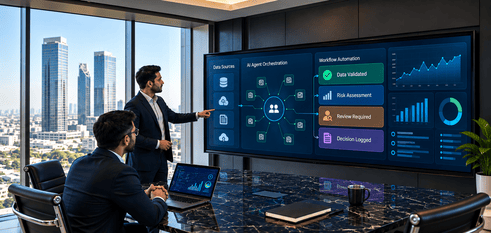
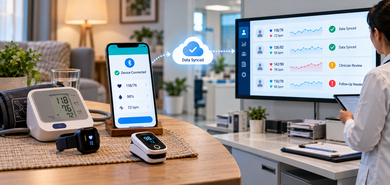
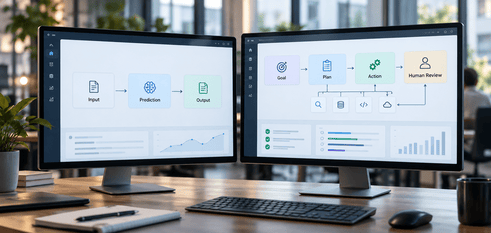
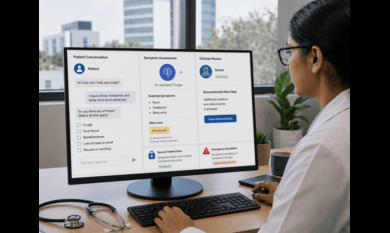
Agentic AI in healthcare operations is no longer experimental. It has become a silent intelligence layer, working behind the scenes to observe, decide, and act across complex hospital environments.
Instead of waiting for commands, AI agents coordinate tasks, optimize workflows, and resolve operational friction in real time, always with human oversight. For Hospital CEOs, this means smoother operations and measurable ROI. For Heads of IT, it means systems that finally work together rather than against each other.
The question in 2026 is no longer why Agentic AI exists. It is what happens when we implement it correctly inside hospital operations.
The Operational Gap Hospitals Still Face
Despite major investments in digital health, most hospitals still struggle with operational inefficiencies that technology alone has not solved.
Common friction points we see across hospital operations include:
- Staff burnout driven by manual coordination, scheduling conflicts, and alert fatigue
- Data silos between EHRs, supply chain systems, billing platforms, and care coordination tools
- Reactive decision-making, where issues are addressed after delays, shortages, or patient dissatisfaction occurs
- Underutilized resources, such as beds, operating rooms, or critical equipment
Even advanced hospital information systems often depend on humans to connect the dots. When patient inflow surges, when supplies run low, or when discharge delays occur, teams scramble across emails, dashboards, and phone calls.
This is the operational gap Agentic AI is designed to close.
How Agentic AI Transforms Hospital Operations
Autonomous Clinical Workflow Optimization in Action
To understand the practical potential, imagine a realistic scenario inside a tertiary care hospital.
It is a Monday morning, and the emergency department begins experiencing a sudden surge in patients due to a regional outbreak. Traditionally, this would trigger manual escalations. Department heads would review dashboards, call staffing teams, check bed availability, and request additional supplies.
With autonomous clinical workflow optimization, an Agentic AI system works differently.
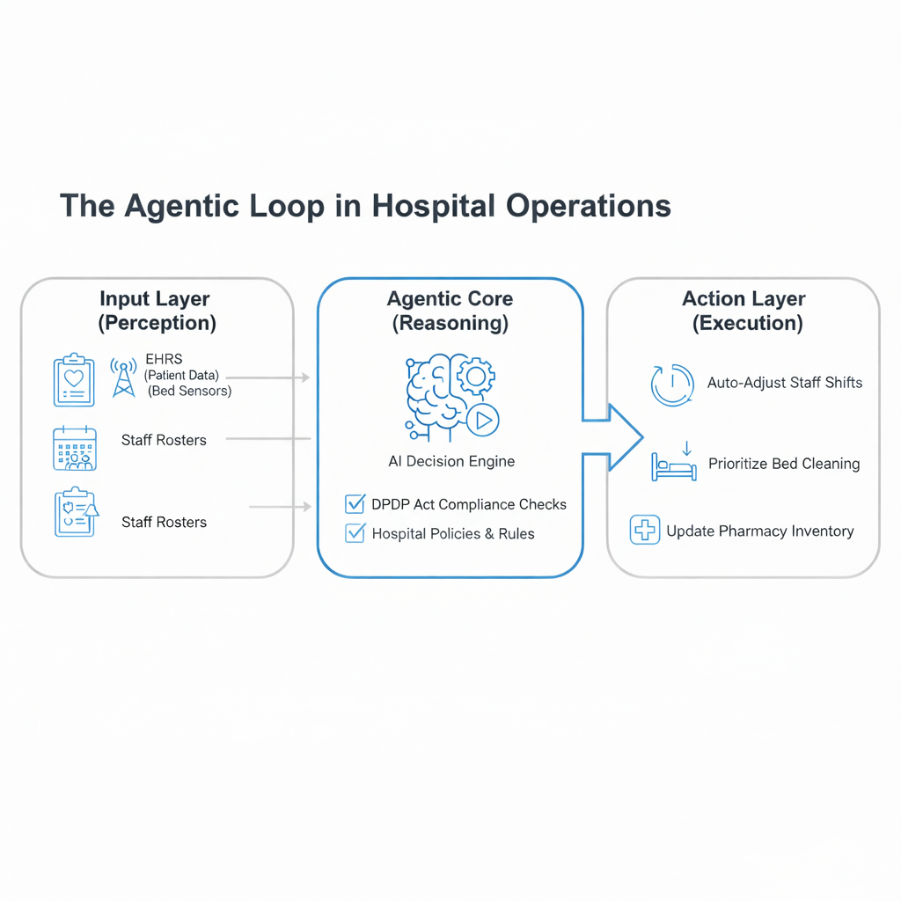
The AI agent continuously monitors:
- Real-time patient inflow
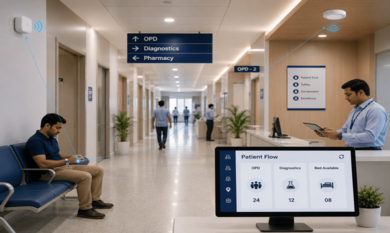
- Bed occupancy across wards
- Staff availability and shift constraints
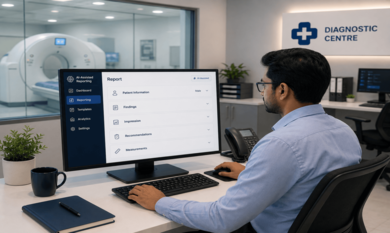
- Diagnostic turnaround times
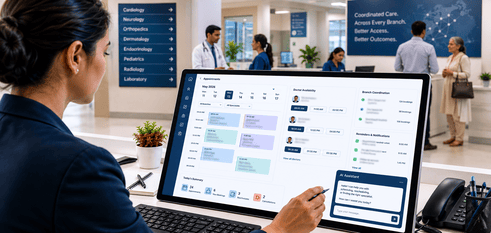
As the surge begins, the agent automatically reallocates non-critical procedures, adjusts staffing schedules within predefined rules, alerts housekeeping to prioritize bed turnover, and coordinates with pharmacy systems to ensure medication availability. Clinicians are informed, not interrupted.
The result is not automation replacing people, but intelligent coordination that reduces cognitive load. Human teams focus on care, while agents handle orchestration.
AI-Driven Healthcare Operations Management Beyond Clinical Care
Agentic AI does not stop at patient-facing workflows. One of the strongest impacts we see is in AI-driven healthcare operations management across revenue cycles and supply chains.
Revenue Cycle Intelligence
Instead of waiting for billing issues to surface weeks later, AI agents monitor claims, coding accuracy, and payer rules in real time. When anomalies appear, such as missing documentation or high-risk denials, agents flag them immediately and route tasks to the right teams.
This proactive approach reduces revenue leakage and shortens reimbursement cycles without adding administrative burden.
Supply Chain Optimization
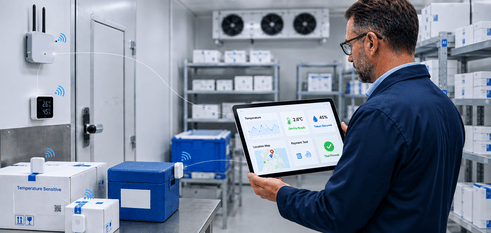
In hospital supply chains, agents track usage patterns, vendor lead times, and clinical demand. When consumption spikes or shortages loom, the system initiates reorder workflows automatically while keeping procurement teams in control.
This kind of AI-driven healthcare operations management improves predictability and reduces emergency purchasing costs, which have historically been a major drain on hospital budgets.
Performance Improvements in Practice
Healthcare leaders in 2026 expect outcomes, not hype.
Consider a mid-sized multi-specialty hospital group that implemented Agentic AI across administrative workflows, bed management, and supply coordination.
Within nine months, the hospital observed:
- 30% reduction in administrative overhead, driven by automated coordination and task routing
- 20% improvement in bed utilization, reducing patient wait times and increasing throughput
- 15–18% faster discharge cycles, improving patient satisfaction scores
- Measurable reduction in clinician burnout indicators related to operational interruptions
These gains did not come from replacing staff. They came from removing friction between systems and people. This is where agentic AI in healthcare operations delivers tangible B2B value, aligning operational efficiency with patient outcomes.
Designed for Regulated Healthcare
Human-in-the-Loop by Design
One concern we often hear is control. Agentic AI systems in healthcare are not autonomous in isolation. They operate within strict governance frameworks.
Every action taken by an AI agent is:
- Logged and auditable
- Bound by clinical and operational rules
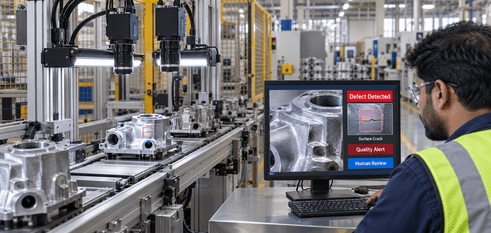
- Subject to human override
This human-in-the-loop approach ensures that accountability remains firmly with hospital leadership and clinical teams.
Data Security and DPDP Act Compliance
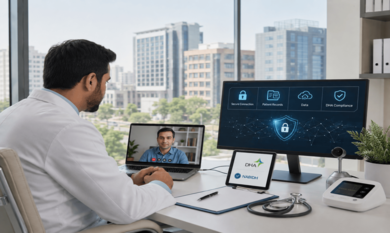
In India, compliance with the Digital Personal Data Protection (DPDP) Act is non-negotiable. Modern Agentic AI architectures are designed with:
- Role-based access controls
- Encrypted data pipelines
- Minimal data movement across systems
Hospitals in technology-forward regions such as Delhi NCR are increasingly adopting these models to balance innovation with regulatory trust. For healthcare providers in the capital, partnering with an AI development company in Delhi ensures that these systems are not just high-performing, but also deeply aligned with local data sovereignty laws and the specific operational nuances of Indian medical hubs.
FAQ: Common Questions from Healthcare Leaders
1. Is Agentic AI secure enough for hospital environments?
Yes. When implemented correctly, Agentic AI systems follow enterprise-grade security standards, strict access controls, and DPDP-compliant data handling practices.
2. Does this replace hospital staff?
No. Agentic AI augments teams by handling coordination and repetitive operational decisions, allowing humans to focus on care and judgment.
3. Can it integrate with legacy EHR systems?
Yes. Most modern implementations use API-based integration layers that work with existing EHRs rather than replacing them.
4. How long does implementation typically take?
Initial pilot deployments can start within 8–12 weeks, with phased expansion across departments based on ROI priorities.
5. Is this affordable for mid-sized hospitals?
Yes. Modular deployment models allow hospitals to start with high-impact operational areas and scale gradually.
Conclusion: The Quiet Shift Shaping Healthcare Operations
In 2026, the most effective hospitals are not the ones with the loudest technology announcements. They are the ones where systems quietly work together, decisions happen faster, and clinicians feel supported rather than overwhelmed.
Agentic AI has become that silent intelligence layer. It does not compete for attention. It removes friction, improves workflow efficiency, and strengthens care coordination across hospital operations.
Organizations looking to move forward often partner with an experienced agentic AI development company that understands healthcare complexity end to end. Theta Technolabs brings deep expertise across Web, Mobile, and Cloud platforms, enabling secure, scalable Agentic AI solutions that fit real hospital environments, not just theoretical models.
The opportunity is no longer abstract. It is operational, measurable, and ready.
Build Smarter, Safer Hospital Workflows
If you are evaluating how Agentic AI can improve hospital operations without disrupting care delivery, we would be glad to explore it with you.
Reach out to Theta Technolabs to discuss practical, compliant, and ROI-focused Agentic AI implementations tailored to your healthcare environment.
Let’s design intelligence that works quietly, safely, and effectively where it matters most.