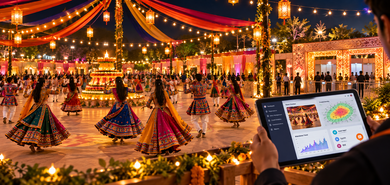
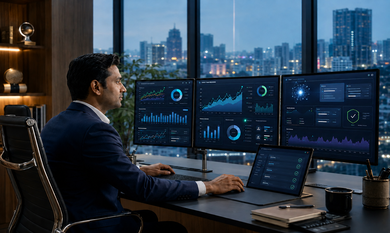
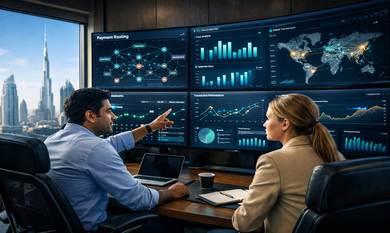
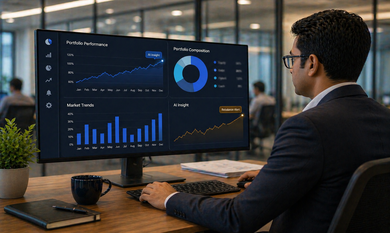
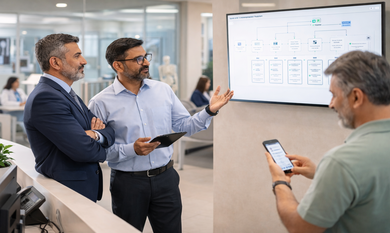
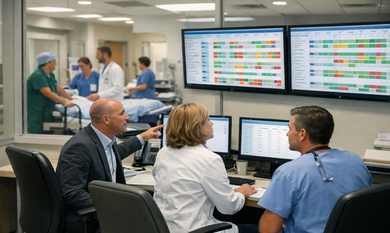
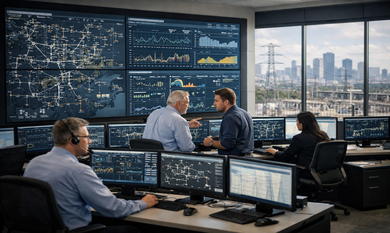
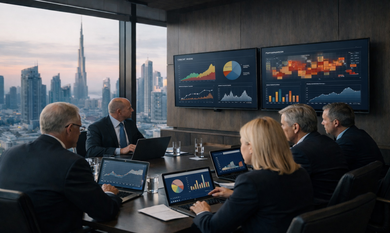
Diwali brings a special kind of energy to homes, markets, factories, and public spaces across India. Families prepare for celebrations, businesses serve festive shoppers, and city teams manage essential services around busy streets and public gatherings.
Behind the celebrations, plenty of planning takes place. Manufacturers prepare production schedules, warehouses arrange supplies, financial platforms process digital payments, and municipal teams look after safety and cleanliness.
For Diwali 2026, artificial intelligence (AI), the Internet of Things (IoT), and automation offer practical ways to support this work. Here are 10 practical ways technology can make Diwali smarter and safer.
How AI and IoT Can Help During Diwali
AI helps businesses find useful patterns in information. It can study previous sales, estimate product demand, suggest efficient routes, or highlight payment activity that deserves closer review.
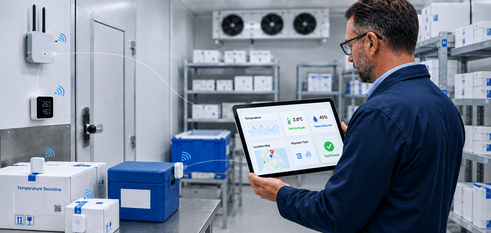
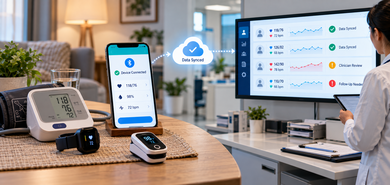
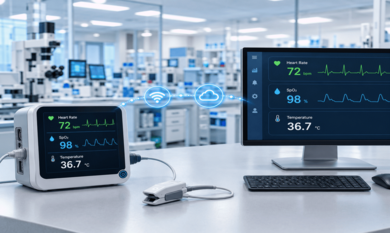
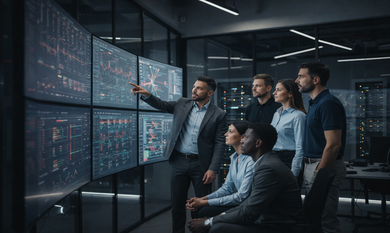
IoT connects physical devices, such as energy meters, air-quality monitors, and waste-bin sensors, to digital platforms. These devices provide readings that teams can see on dashboards and use to plan their work.
During the festive season, this combination can help organisations:
- Plan ahead: Use sales trends, weather information, and operational records to prepare resources.
- Stay informed: Receive timely sensor readings, status updates, and alerts when conditions change.
- Coordinate better: Share relevant information with the people responsible for the next step.
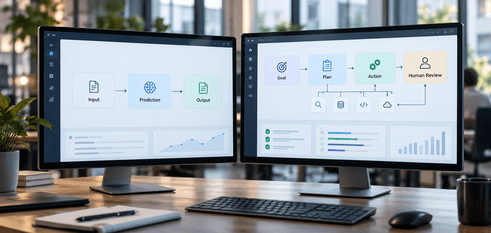
Some applications use AI to analyse patterns and generate forecasts, while others rely on IoT monitoring or rules-based automation. The right approach depends on the information available, the task involved, and how teams plan to use the results.
AI and IoT in Manufacturing
1. AI-Powered Festive Demand Forecasting
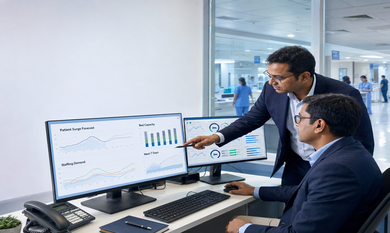
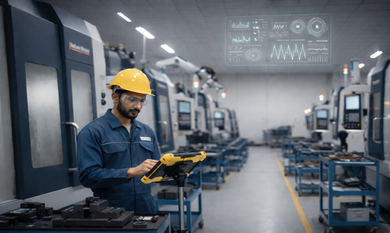
Demand for decorative lighting, electronics, packaging, and consumer goods often grows ahead of Diwali. Manufacturers need to decide how much to produce, when to purchase materials, and how to schedule their teams.
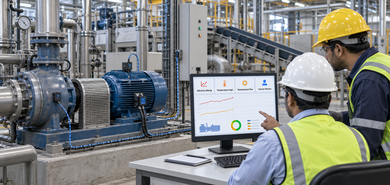
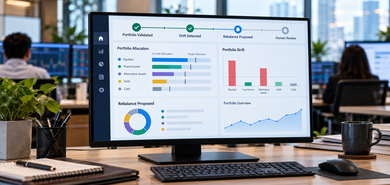
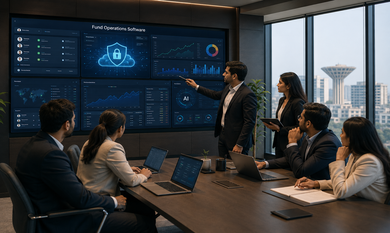
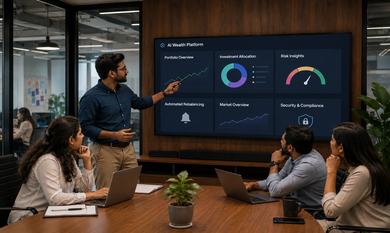
AI-powered forecasting can examine past sales, confirmed orders, seasonal trends, and relevant market information. Planning dashboards can compare expected demand with available production capacity and raw materials.
Consider a manufacturer of decorative lights. When its forecasts suggest stronger demand for a particular product, planners can prepare materials and adjust production schedules early. Updated forecasts also help them respond to new orders as the festive season progresses.
2. Intelligent Inventory and Stock Planning
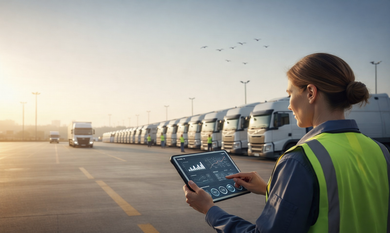
Festive orders move through several teams before reaching customers. Procurement, warehouses, production, and dispatch all benefit from a shared view of available stock.
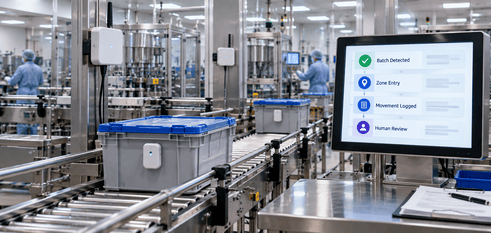
Intelligent inventory software can track stock movement, monitor expected supplier deliveries, and highlight items approaching their replenishment levels. Predictive analysis can help teams plan purchases around upcoming orders, while automated notifications can update the relevant teams about stock levels and delivery schedules.
A packaging distributor, for instance, could receive a timely update when its carton supply reaches a predefined level. The procurement team can arrange replenishment and coordinate with the warehouse, helping festive orders move smoothly from packing to dispatch.
3. AI-Powered Factory Energy Optimisation
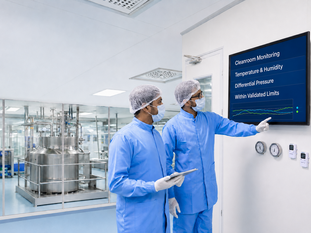
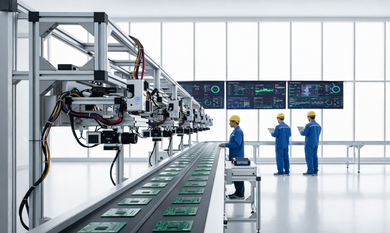
Festive production often brings longer operating hours and greater use of equipment. Monitoring electricity consumption helps manufacturers understand where energy is going throughout the working day.
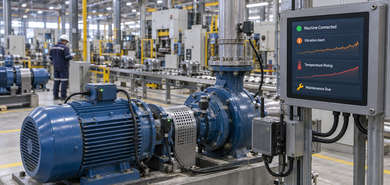
IoT-enabled smart meters can collect readings from production lines, industrial lighting, compressed-air systems, and other equipment. AI analytics can compare these readings with production schedules and identify changes worth examining.
Imagine a factory dashboard showing higher-than-expected energy use from a compressed-air system during an evening shift. The maintenance team can inspect the equipment and identify opportunities to improve efficiency while maintaining safe, reliable production. Better energy visibility supports informed decisions throughout the festive period.
AI in FinTech
4. AI-Powered Festive Spending Assistants
Gifts, sweets, clothing, decorations, and family gatherings are all part of Diwali spending. A clear budget helps people enjoy these purchases while keeping their finances organised.
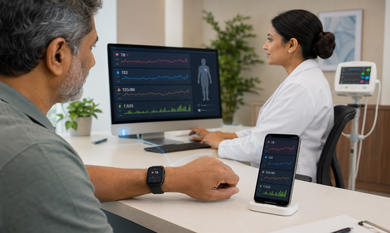
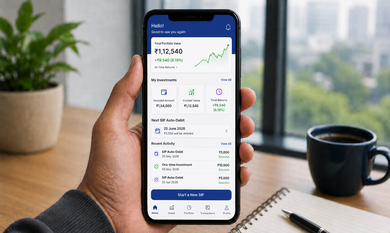
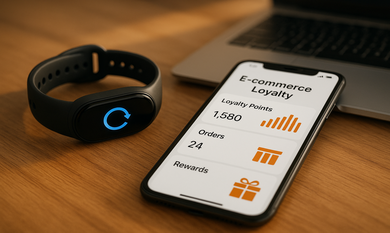
With appropriate user permission and secure data access, an AI-enabled expense app can categorise eligible transactions, show spending across different categories, and compare purchases with a budget chosen by the user. Personalised alerts can provide an update as spending approaches a selected limit.
A family might set separate budgets for gifts and home decorations, then check the remaining amount through a simple dashboard. These insights support everyday money decisions, with users choosing how to manage their festive expenses.
5. AI-Powered Festive Payment Fraud Detection
Diwali shopping brings plenty of activity to UPI apps, digital wallets, and card payment platforms. Financial teams need a clear view of transactions as customers make purchases online and in stores.
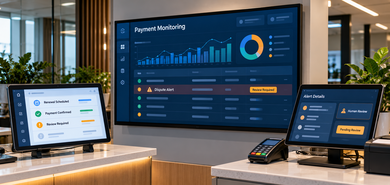
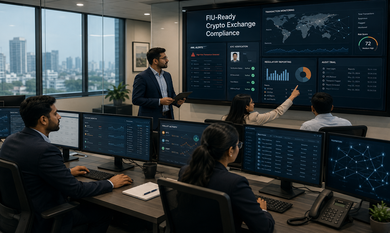
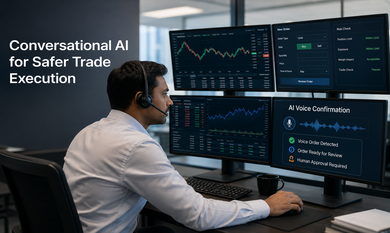
AI-based fraud detection can analyse transaction patterns and identify unusual activity for review. Real-time risk scores, automated alerts, and investigation dashboards help analysts prioritise cases and examine relevant information together. Each flagged transaction can then be assessed by authorised analysts before deciding whether further verification is needed.
For instance, a payment platform could identify a transaction sequence that differs from a customer's usual activity. The review team can examine the transaction details and determine the appropriate next step. Intelligent monitoring and human review support safer festive payments.
AI and IoT in Smart Cities
6. Weather-Aware City Operations
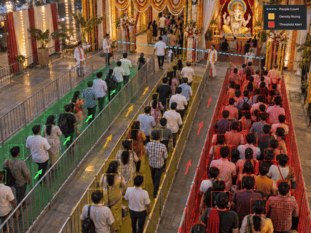
Outdoor celebrations, festive markets, and public events involve arrangements for transport, decorations, and visitor movement. Weather information helps organisers prepare these activities with greater confidence.
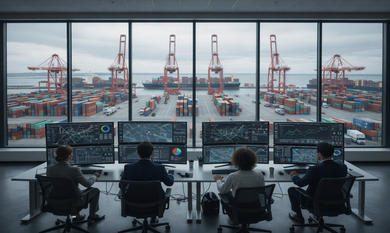
City platforms can combine official forecasts with readings from local weather sensors. AI analysis can identify locations that may need attention, and automated alerts can keep relevant public works, transport, and event teams informed.
If strong winds are forecast before an outdoor celebration, organisers can inspect temporary structures and review arrangements in advance. Shared dashboards support coordination, while official forecasts and local inspections guide decisions on the ground.
7. AI-Assisted Fire Risk and Emergency Response
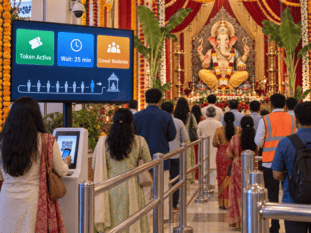
Festive lights, electrical installations, public gatherings, and fireworks make fire-safety planning especially important during Diwali. Connected systems can help responsible teams stay informed and coordinate their response.
Properly installed and maintained fire detection systems can send alerts to designated personnel when monitored conditions suggest a possible incident, supporting established emergency response procedures. AI-assisted software can organise these alerts, highlight urgent cases, and share relevant location details with authorised responders.
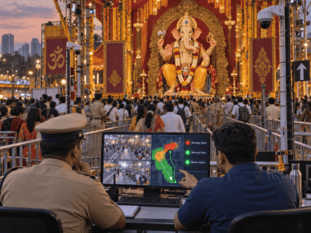
At a public venue, an alarm notification could appear on a central dashboard for immediate assessment. Teams can then follow established emergency procedures and track response progress. Technology adds visibility and coordination to the work of trained personnel.
8. AI-Powered Diwali Air Quality Monitoring
Air quality receives particular attention during Diwali, when fireworks, traffic, and other emissions can affect local conditions. Timely information helps civic teams understand changes across different neighbourhoods.
Suitable air-quality monitoring sensors can provide readings for selected pollutants, helping city teams observe local trends when the devices are properly calibrated and maintained. AI can analyse sensor readings alongside weather forecasts and historical information to estimate periods of elevated pollution. Monitoring dashboards help teams identify areas that may need closer attention.
A city environmental team could examine elevated readings near a busy market before sharing public guidance. Proper sensor maintenance, reliable measurements, and official advisories remain central to informed decisions.
9. AI-Powered Road Cleaning and Street Maintenance
Celebrations bring more visitors to markets and public spaces, creating additional road-cleaning and street-maintenance work. City teams can use digital information to plan cleaning rounds according to local needs.
Civic reports, event schedules, traffic information, and past maintenance records can help AI-assisted systems suggest priority areas. Route planning tools can organise sweeping vehicles and field crews, while dashboards show work progress and areas ready for follow-up.
After a busy market celebration, a municipal team could schedule an additional cleaning round on nearby roads. On-ground inspections help confirm that public spaces are ready for regular use.
10. Predictive Waste Management
Gift packaging, decorations, and festive gatherings increase the amount of waste collected from many public spaces. Smart monitoring can help sanitation teams prepare collection schedules around changing activity levels.
IoT-enabled sensors can report how full selected waste bins are. AI forecasting can estimate where collection demand may grow, while route planning tools can consider bin levels, traffic, and priority locations. Dashboards give supervisors a shared view of collection progress.
Sensors at a busy shopping area could show that bins are approaching capacity. The collection team can prioritise that location and arrange a timely pickup, supporting cleaner streets throughout the celebrations.
Making AI and IoT Useful Beyond Diwali
The same ideas can support everyday operations throughout the year. Forecasting helps with seasonal production, smart meters support energy planning, and connected monitoring assists city services in their daily work.
For an organisation working with an IoT development company in Ahmedabad, a good starting point is a clear operational need, such as understanding energy use or delivering timely maintenance alerts. Reliable data and an agreed response process make the technology useful long after the festival.
Frequently Asked Questions
How can AI and IoT make Diwali smarter and safer?
They support demand planning, connected monitoring, payment reviews, public safety coordination, and cleaner city operations.
How can AI help manufacturers prepare for festive demand?
AI analyses sales history, current orders, and seasonal trends to help teams plan production, capacity, and materials.
Can AI help detect unusual festive payments?
Yes. AI can highlight transaction patterns for review, allowing financial teams to decide when further verification is useful.
How can IoT support fire safety and air quality monitoring?
Connected devices provide fire-alarm notifications and environmental readings that authorised teams can assess.
How can AI improve Diwali waste collection?
It can forecast collection needs and help plan routes using bin readings, traffic, and local priorities.
Conclusion
A smarter Diwali begins with thoughtful planning and timely information. Across factories, finance, and city services, AI and IoT can support better-organised celebrations.
As an AI development company in Ahmedabad, Theta Technolabs develops practical AI, IoT, and custom software solutions for everyday operational needs.
To discuss your project, contact us at sales@thetatechnolabs.com.