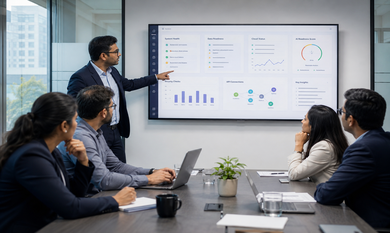
A facility manager notices that an office building's electricity consumption has increased, but the monthly bill gives little clue about which equipment is responsible. The building has a central chiller and several air handling units (AHUs). One AHU seems to be running longer than usual, yet the maintenance team has no reliable record of when its behaviour changed.
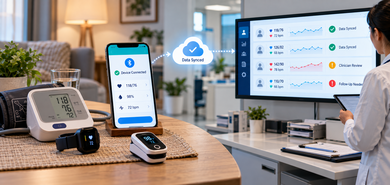
Connected HVAC monitoring can bring those missing details together. Instead of relying only on manual checks, the team can review energy readings, operating conditions, and service alerts for each connected unit.
How do connected HVAC systems monitor energy and raise service alerts?
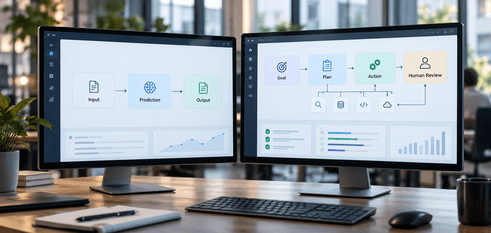
Suitable meters and sensors capture equipment readings, a secure gateway sends them to a monitoring platform, and defined rules identify conditions that need inspection. A technician reviews the alert before deciding whether any repair is necessary.
What Makes HVAC Equipment Connected?
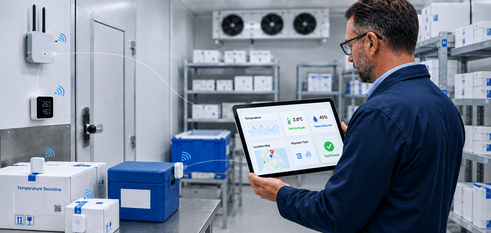
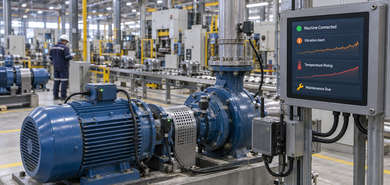
Heating, ventilation, and air-conditioning equipment becomes connected when its controllers, meters, or added sensors can share useful readings with another system. This might include an existing building management system (BMS), an on-site gateway, or a cloud-connected dashboard.
A connected chiller can report its running status and selected temperatures. An AHU might provide fan status, operating hours, and electrical measurements. The exact information depends on the installed equipment, its available interfaces, and the sensors added to it.
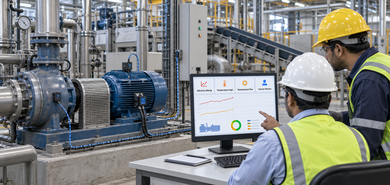
Through IoT energy monitoring solutions, equipment information can be organised into a view that facility and service teams can use. Connectivity itself does not reduce energy consumption. It gives people better evidence for decisions.
What Should Connected HVAC Equipment Measure?
The measurements should answer operational questions, not simply fill a dashboard.
Energy consumption (kWh): A properly installed energy meter shows how much electrical energy the equipment has used over a period. This supports daily, weekly, and monthly comparisons.
Power demand (kW): Power readings show how much electrical power is being used at a particular time. A sharp increase may deserve attention, but it needs operating context.
Current and voltage: These electrical readings help technicians examine operating conditions. Current alone is not a reliable substitute for measured energy consumption, particularly in three-phase systems.
Temperature and pressure: Supply and return temperatures, and suitable pressure readings, can help show how equipment performs under changing loads.
Runtime and operating status: Running hours, starts, stops, fan speed, and control settings help explain why energy readings change.
Not every site needs every sensor. The first task is deciding which measurements can answer a maintenance or energy question reliably.
How Does HVAC Energy Monitoring Work?
Collect readings from the right source
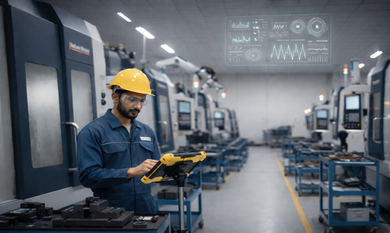
For the office building in our example, the facility team installs or uses suitable electricity meters for the chiller and selected AHUs. Where supported, a gateway also reads approved data from the equipment controllers.
Protocols such as BACnet or Modbus may allow existing systems to exchange readings. But older controllers may need interface upgrades, and some measurements might not be available without additional equipment. Any electrical installation should be carried out by qualified personnel.
Connect readings to the correct equipment
The monitoring platform needs a clear equipment register. Otherwise, a dashboard may show a high-energy reading without identifying the actual AHU or its location.
Each record should be associated with equipment identity, unit of measurement, and timestamp. The platform also needs to handle missing readings, connection interruptions, and meter resets rather than silently treating gaps as zero consumption.
Compare similar operating periods
A chiller can use more electricity on a hotter day without developing a fault. Likewise, an AHU serving a fully occupied floor may run longer than it does on a weekend.
Useful comparisons consider operating hours, outdoor conditions, schedules, and appropriate load information. This makes it easier to distinguish expected demand from a change that deserves investigation.
India's Bureau of Energy Efficiency guidance on commercial buildings addresses HVAC equipment efficiency, controls, and electrical metering. A monitoring dashboard can support informed energy management, but installing one does not automatically establish code compliance.
Manufacturers can apply similar measurement practices across production areas through IoT solutions for manufacturing, while maintaining equipment-specific operating rules.
How Can HVAC Equipment Generate Useful Service Alerts?
Energy monitoring tells the team what is happening. A service alert tells the right person when a condition may require attention. These are related capabilities, but they are not the same.
Return to the AHU that has been running longer than expected. Suppose its energy use rises during comparable operating periods, while a related temperature reading also moves outside its normal range. The platform can flag the combined change for review.
Set conditions, not just arbitrary limits
A simple rule might alert when an AHU runs outside its intended schedule. Another might compare current power demand with a baseline for that equipment and operating state.
One unusual reading should not always trigger an urgent message. Short disturbances, normal start-up conditions, or sensor noise can create false alerts. Rules can use suitable persistence periods, operating modes, and repeated measurements to reduce unnecessary notifications.
Send information a technician can use
An alert should identify the AHU, its location, the unusual readings, and when the condition started. It should distinguish an advisory from something that requires prompt inspection.
It should not announce 'motor failure' merely because current has increased. The cause could involve airflow restrictions, changes in load, control settings, or an instrument problem. A technician needs to inspect the equipment before confirming a diagnosis.
Record what happened after the alert
The platform can create a review item for maintenance, record the technician's findings, and show whether the condition returned to normal. If an alert repeatedly appears without a real issue, the rule should be reviewed instead of ignored.
Common Problems in Connected HVAC Monitoring
Inaccurate equipment mapping: Readings from the wrong meter or controller can lead staff to investigate a healthy unit. Check equipment identities during commissioning.
Missing or delayed data: Network interruptions can create gaps in a trend. Mark readings as unavailable instead of displaying stale information as live.
Too many notifications: Fixed limits applied across different HVAC units can produce repeated false alerts. Use equipment-specific settings and review them after maintenance.
No operating context: Higher consumption during busy or hot periods may be normal. Compare like-for-like conditions before treating changes as inefficiency.
Weak cybersecurity: Building controllers and gateways should use appropriate access controls, network separation, and secure remote access. Monitoring should not expose unnecessary control functions to the internet.
Connecting Service Alerts with Maintenance Work
A dashboard becomes more useful when it connects monitoring with the way technicians already work.
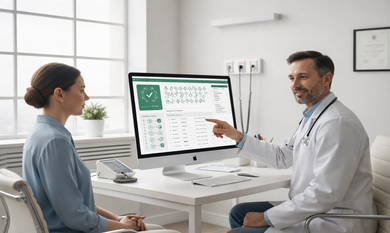
For example, the facility manager receives an AHU service alert and assigns it to a technician. The technician inspects filters, fan operation, and controller settings, records the actual findings, and completes any required service. Afterward, the manager checks whether the abnormal readings have settled.
This creates a record of the alert, inspection, work completed, and closure check. It also helps distinguish recurring equipment problems from poorly configured alert rules.
For sites with several buildings, a consistent asset register and maintenance history can support better service planning. Teams exploring IoT energy monitoring in manufacturing can use a similar approach for energy-intensive production equipment, without assuming every machine should follow the same thresholds.
How Should Businesses Measure Results?
Start with evidence the team can verify. Compare equipment energy consumption over similar operating periods and track whether selected alerts lead to useful inspections.
Monitor response time, repeated alerts, unresolved review items, and service findings. Also check whether metering gaps or wrongly assigned readings are becoming less frequent.
Lower electricity consumption may be an outcome, but it should not be promised from monitoring alone. Changes in schedules, weather, occupancy, equipment condition, and actual maintenance work all influence results.
Frequently Asked Questions
How does connected HVAC equipment monitor energy consumption?
Connected HVAC equipment can use suitable energy meters and controllers to capture electricity consumption and operating readings. A gateway sends the data to a platform where teams can review trends for each unit.
What sensors are used for HVAC energy monitoring?
Energy meters measure electrical consumption. Depending on the equipment, temperature, pressure, current, and runtime readings can add useful context. Current readings alone do not accurately measure total energy use.
Can connected HVAC systems detect maintenance problems early?
They can flag unusual readings and operating patterns that may need inspection. A service alert is not a confirmed diagnosis; qualified maintenance staff should review the equipment and its operating conditions.
Can existing HVAC equipment be connected to an IoT monitoring platform?
Often, yes. Some systems expose data through existing controllers or building management systems, while others need gateways or added sensors. Compatibility, installation safety, and available data should be checked first.
Conclusion
Connected HVAC equipment can give facility and service teams clearer information about electricity use and equipment conditions. The real value comes from reliable measurements, well-designed alerts, and a maintenance process that checks what the readings actually mean.
Theta Technolabs develops connected equipment and monitoring applications that can bring energy visibility and service review into one practical workflow.
For implementation discussions, contact us at sales@thetatechnolabs.com.