

Engineering and machinery units running multiple shifts rarely lose production to one big, dramatic failure. More often, it is a small issue, a bearing, a motor, a pressure valve, that goes unnoticed until it becomes a full stoppage. IoT machine monitoring exists to catch exactly that kind of slow-building problem before it interrupts a shift.
What IoT Machine Monitoring Actually Does
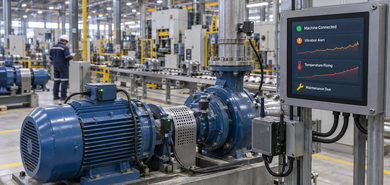
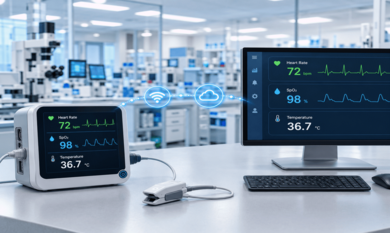
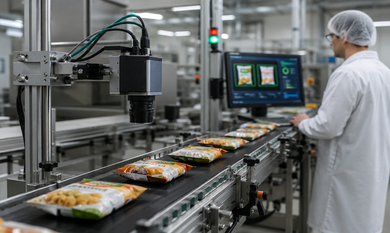
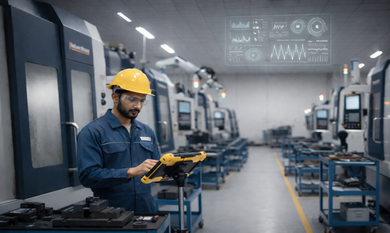
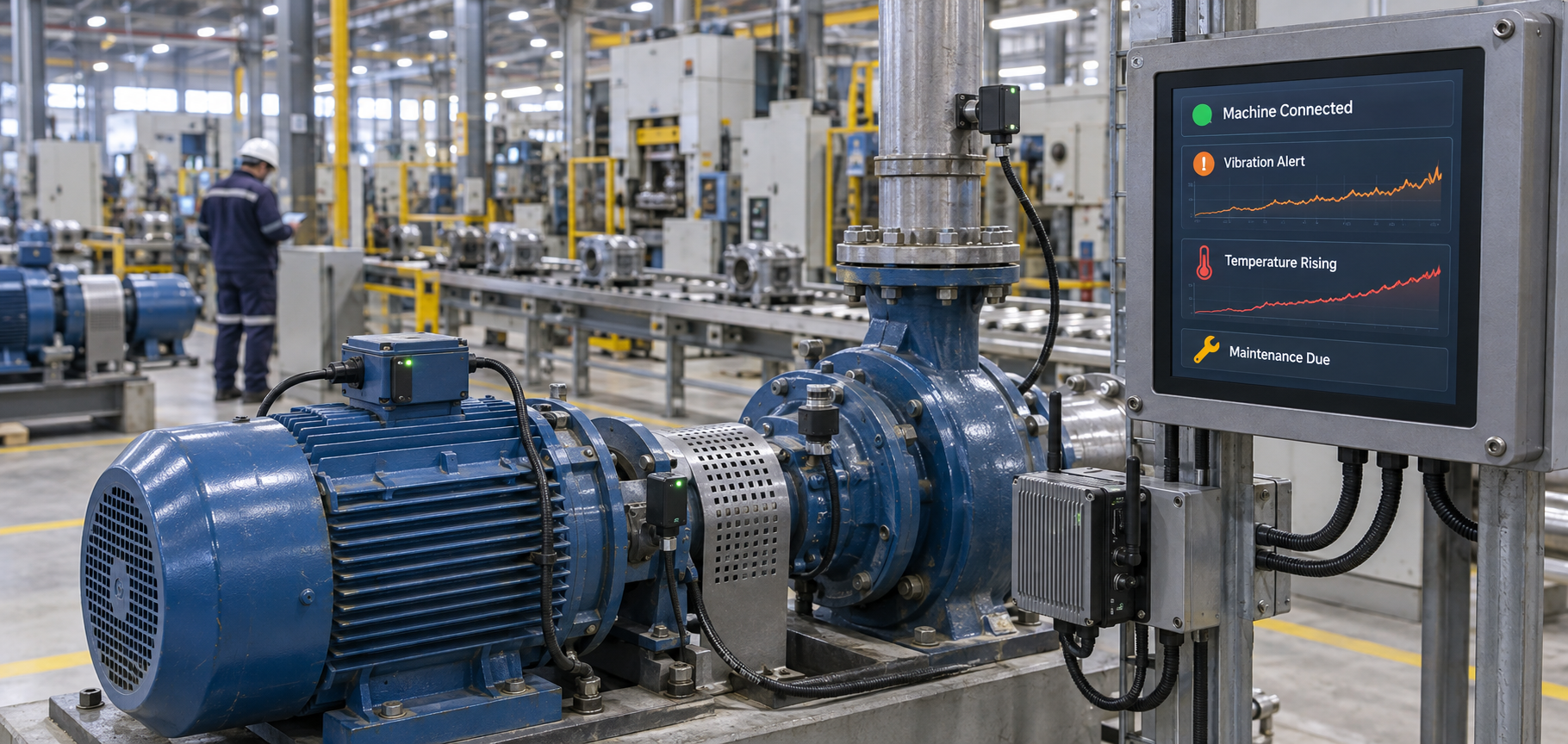
At its core, IoT machine monitoring means placing sensors on production equipment to track vibration, temperature, current draw, pressure, or run hours, and feeding that data to a dashboard in real time. Instead of a technician logging readings once a shift or once a day, the system captures a continuous stream of information straight from the machine.
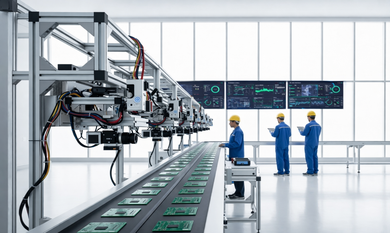
This is a fundamentally different approach from manual log sheets. Paper based checks capture a snapshot in time and rely on someone remembering to record it accurately. Real-time equipment monitoring, by contrast, catches the slow drift toward failure, a bearing that is heating up gradually, a motor drawing more current than usual, long before it becomes a visible fault. When a sensor reading moves outside its normal range, the system flags it automatically, so maintenance teams get an early warning instead of an emergency callout. This is what people mean when they ask how IoT reduces downtime in manufacturing: it replaces guesswork and periodic checks with condition-based monitoring that reacts to what the machine is actually doing, not what a schedule assumes it should be doing.
What Makes IoT Monitoring a Strong Fit for Kolkata's Engineering Sector
Eastern India's engineering and foundry cluster around Kolkata runs on a mix of machinery: some units recently automated, many others working reliably on equipment that has been in service for years. That mix is actually a good starting point for IoT adoption, not a barrier to it. Modern sensor kits are largely retrofit friendly, meaning they can be fitted onto existing motors, presses, and conveyors without replacing the machine itself or halting production for a major installation.
Most plants in the region also run multi-shift operations with maintenance teams stretched across day and night shifts. A connected monitoring system does not depend on which technician is on duty or how thorough a particular shift's manual rounds were. It runs continuously, so a wear pattern that starts building on the night shift is visible to the day team the moment they check the dashboard.
For manufacturers exploring IoT solutions for engineering manufacturers in Kolkata, the practical appeal is that this kind of monitoring layers onto existing plant workflows. It does not require redesigning how the shop floor operates. It simply gives the existing team better visibility into equipment health than they had before.
From Reactive to Predictive: The Maintenance Shift
Most plants operate somewhere between reactive maintenance, fixing things after they break, and preventive maintenance, servicing equipment on a fixed calendar whether it needs it or not. Both approaches have real costs. Reactive maintenance means unplanned stoppages and rushed repairs. Preventive maintenance, done purely on a schedule, often means replacing parts that still have useful life left, or missing a failure that develops faster than the schedule anticipated.
Predictive maintenance for manufacturers takes a third path. By continuously analyzing sensor data, a monitoring system can flag when a specific machine is actually showing signs of wear, rather than assuming every unit degrades at the same rate. In its own analysis of predictive maintenance programs, Deloitte reports that clients typically see facility downtime reductions in the range of 5 to 15 percent, alongside gains in labor productivity and lower spare parts inventory costs. Deloitte's findings are drawn from its own consulting engagements, so results vary by plant and depend heavily on how well the program is planned and adopted rather than being a fixed guarantee for every setup.
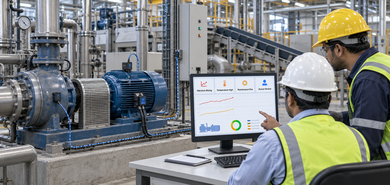
This shift also changes how machine utilization tracking works day to day. Instead of production data and maintenance data sitting in separate systems, a good monitoring setup connects the two, so a drop in output and a rising vibration reading on the same asset are visible together. That connection is often what turns unplanned downtime manufacturing losses into a problem that gets caught before it interrupts a shift, rather than one that gets diagnosed after the fact. Explore how predictive maintenance for manufacturers works in practice through Theta Technolabs' AI-Driven IoT Analytics services.
Is Your Plant Ready? A Practical Readiness Checklist
Not every plant needs to instrument every machine on day one. A useful way to gauge readiness is to walk through a few practical checks:
- Identify your critical assets. Which two or three machines, if they stopped, would actually halt production or create a bottleneck? Start there rather than instrumenting the whole floor at once.
- Check your existing systems. If the plant already runs an ERP or SAP setup, a monitoring solution that can feed into it will deliver value faster than one that operates in isolation.
- Assess connectivity. Reliable network coverage on the shop floor, even basic Wi-Fi or a cellular gateway, is usually enough to support a sensor rollout.
- Address data ownership upfront. A common and fair concern among Indian manufacturers is who owns the machine data once it leaves the plant. Look for a solution where data stays under your control, with clear terms on access and storage, rather than a vendor locked black box.
- Set a baseline for OEE. Knowing your current overall equipment effectiveness gives you something concrete to measure improvement against once connected factory equipment monitoring is in place.
A Related Deployment in Indian Manufacturing
Connected monitoring and dispatch systems have already shown measurable results in manufacturing settings closer to home. Theta Technolabs' IoT-driven production dispatch case study documents how a SAP integrated production and dispatch system helped streamline operations for a large air cooler manufacturer, connecting shop floor data directly into existing enterprise systems rather than running it as a separate tool. It is a useful reference point for what an integrated monitoring and dispatch setup can look like in an Indian manufacturing environment.
Getting Started Without Overhauling Your Plant
The most practical way to adopt IoT machine monitoring is in phases rather than all at once. Start with the two or three critical assets identified in the readiness checklist above. Fit them with sensors, connect the data to a simple dashboard, and give the maintenance team a few weeks to see how the alerts line up with what they already know about those machines.
Once that first phase proves its value, whether that is fewer emergency callouts, faster root cause diagnosis, or simply better visibility into machine health, expanding to additional equipment becomes a much easier decision, backed by real data from your own floor rather than a vendor's marketing claims.
If your team is weighing where to begin, reach out to sales@thetatechnolabs.com to talk through what a phased rollout could look like for your specific plant.
Frequently Asked Questions
What is IoT machine monitoring?
It is the use of connected sensors on production equipment to continuously track metrics like vibration, temperature, and current draw, giving plant teams real time visibility into machine health instead of relying on periodic manual checks.
How much can IoT reduce downtime in manufacturing?
Results vary by plant and program maturity. Deloitte's own client analysis points to facility downtime reductions in the 5 to 15 percent range as a realistic starting benchmark, with further gains possible as a program scales.
Do I need to replace old machines to use IoT monitoring?
No. Most sensor kits are designed to retrofit onto existing motors, presses, and conveyors, which makes them well suited to plants running a mix of newer and older equipment.
Is machine data secure with IoT monitoring systems?
It depends on the setup. Look for a solution where your plant retains clear ownership and control over its own data, with transparent terms on how it is stored and accessed, rather than a system that locks your data into a single vendor's platform.