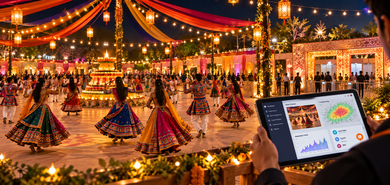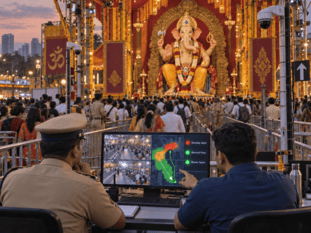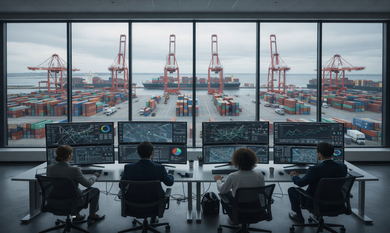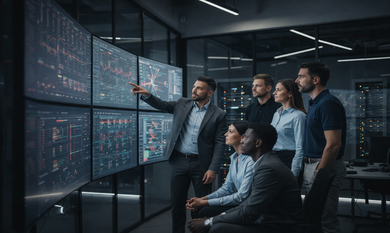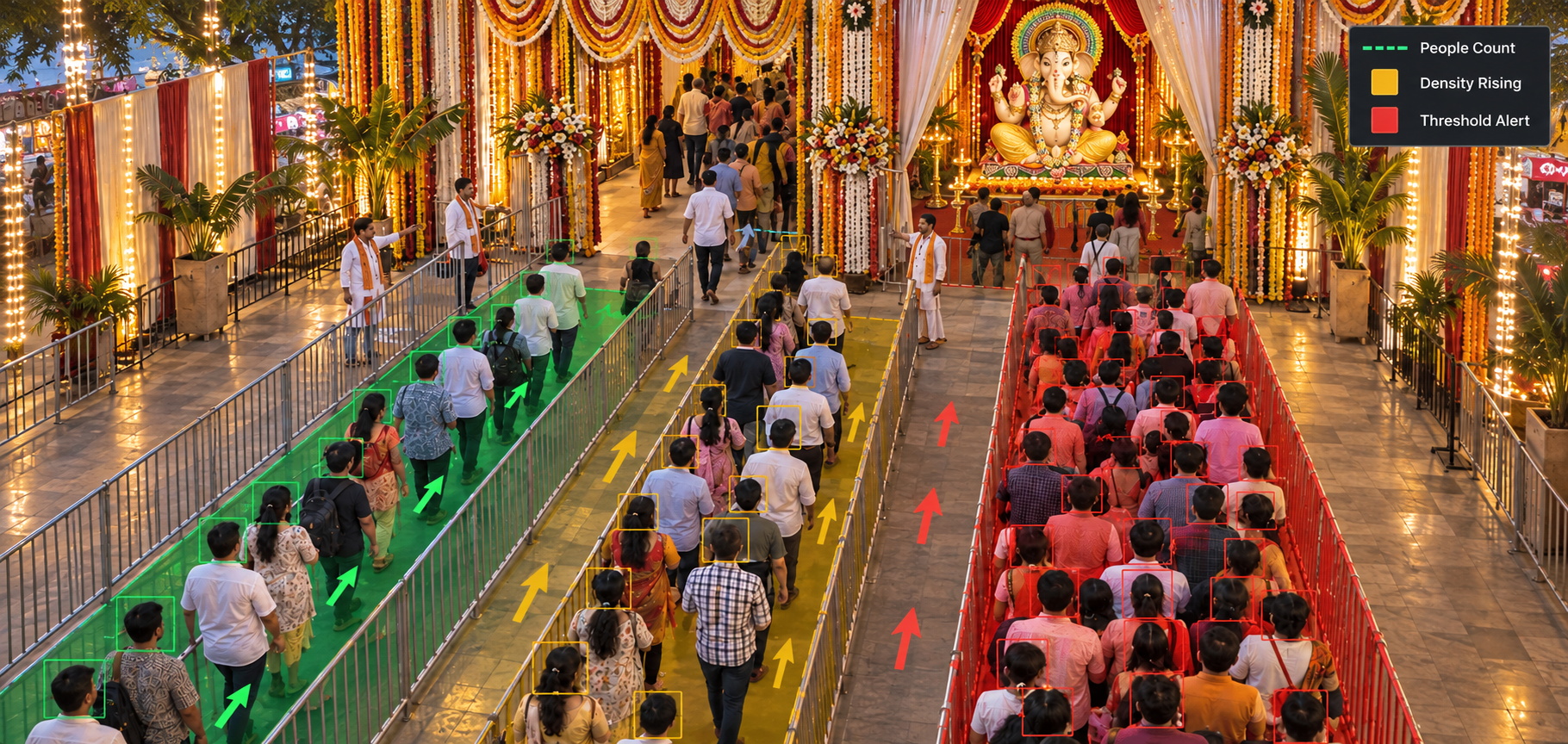


Every year, lakhs of devotees make their way to pandals across Pune, Mumbai, and other cities to catch a glimpse of Bappa. A single popular pandal can see thousands of visitors packed into a few hours, especially during evening aarti or the final days before visarjan. Managing that kind of footfall safely is no small task, and this is exactly where computer vision crowd detection is starting to make a real difference. Instead of relying only on manual observation, these systems can now analyze camera feeds in real time and flag overcrowding detection Ganesh pandals situations before they become a safety concern.
What Makes Crowd Monitoring at Ganesh Pandals So Challenging
Pandals aren't built like stadiums or malls, and that's part of what makes crowd density estimation here a genuinely interesting problem to solve. Many pandals sit along narrow lanes, with temporary bamboo and cloth structures rather than fixed, wide-open venues. A lot of the on-ground coordination is handled by mandal volunteers, who do an incredible job but aren't always equipped with dedicated crowd-monitoring tools. Add to this the monsoon-season lighting and visibility conditions, and the fact that a single day can involve both a slow-moving darshan queue and a fast, dense visarjan procession, and you start to see why simply adding more CCTV cameras isn't the whole answer. The real opportunity lies in making the cameras that are already there smarter.
How Computer Vision Actually Detects Overcrowding
At its core, the process is fairly straightforward to understand, even if the technology behind it is sophisticated. Here's how real-time crowd monitoring typically works, step by step:
- Feed capture: A camera feed, often from CCTV already installed near the pandal, is fed into a computer vision model.
- People detection and counting: The model is trained to detect and count individuals within a given frame, continuously, in real time.
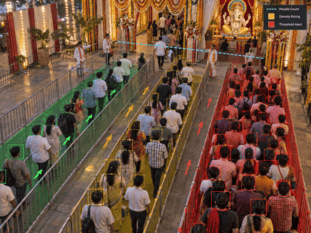
- Density calculation: The system estimates crowd density per square metre for that specific area, whether it's an entry gate, a queue lane, or a procession route.
- Threshold comparison: This density figure is compared against a pre-set safe-capacity threshold decided for that space.
- Early alert: The moment density starts approaching the threshold, an alert is triggered, well before the area actually becomes unsafe.
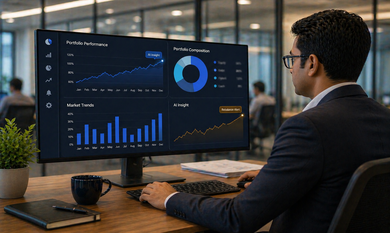
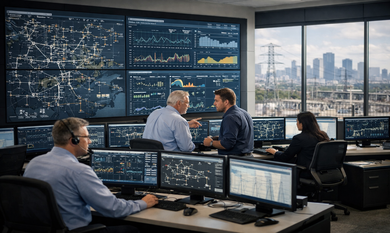
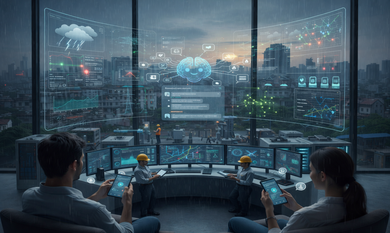
- Heatmap visualization: Many systems also generate heatmaps, giving control room teams a clear visual sense of exactly where a lane or gate is getting congested.
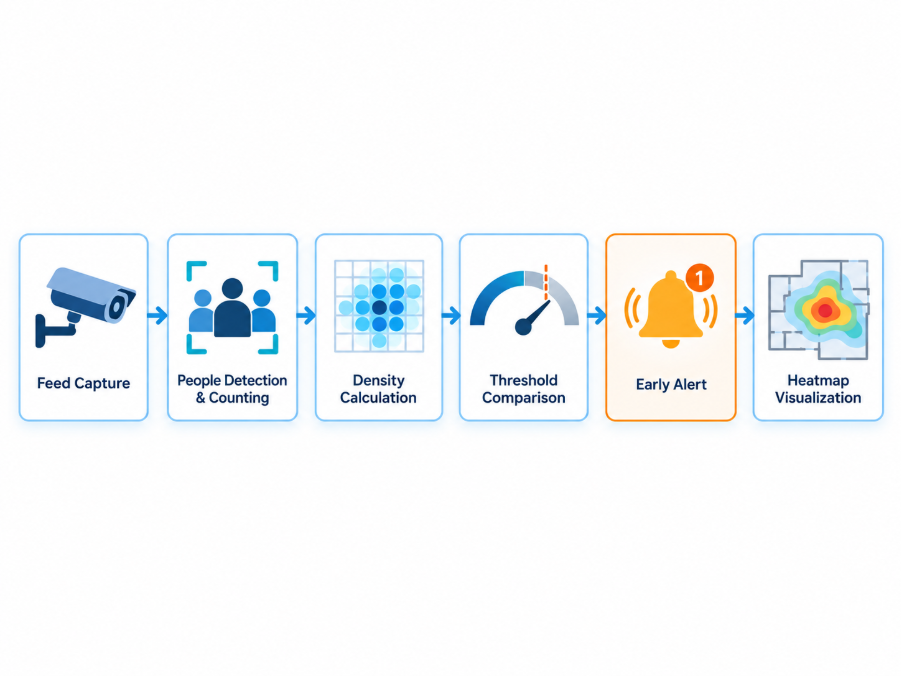
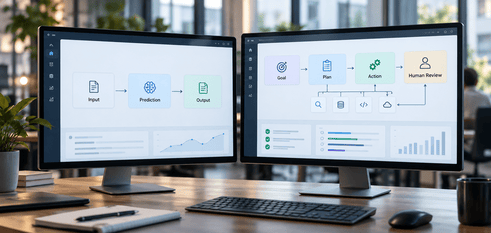
Figure: The six-step computer vision workflow for detecting overcrowding in real time, from camera feed capture to heatmap visualization
This isn't a hypothetical idea either. During Ganeshotsav in recent years, Pune Police have used hundreds of AI-powered CCTV analytics cameras along with data analytics to support crowd control efforts, while Mumbai Police have worked with a large network of networked cameras, an AI-supported control room, and drones to help monitor processions and immersion spots. As Ultralytics notes in their work on vision AI for crowd management, overcrowding is a significant factor behind a large share of crowd-related incidents at big public events, which is exactly why catching it early, rather than reacting after the fact, matters so much.
A Realistic Example: What This Looks Like in Practice
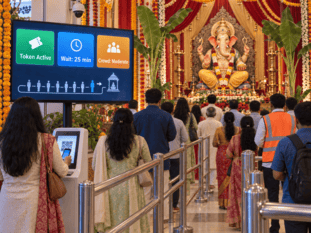
To make this a little more concrete, imagine a mid-sized sarvajanik mandal with a camera positioned at its main entry lane. During peak evening aarti hours, the system notices that the density in that lane is steadily climbing toward the safe-capacity limit set for that space. An alert reaches the volunteer coordination point near the entrance. In response, the entry gate is paused for a few minutes, and visitors are guided toward a second lane that's running well below capacity. Within a short while, the density in the first lane eases back to a comfortable level, and entry resumes as normal. Nothing dramatic happens, no one even necessarily notices the intervention, and that's really the point. The best crowd-safety technology works quietly in the background, well before things ever get out of hand.
What Happens After Detection, From Alert to Response
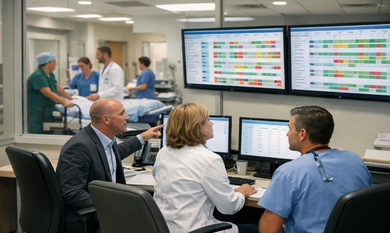
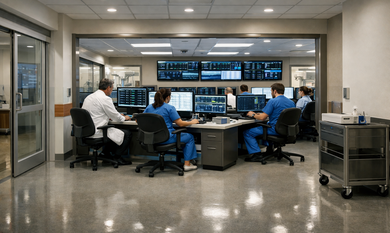
Detecting overcrowding is only half the job. The value comes from what happens next. Once an alert is generated, it typically reaches the mandal's coordination team or a nearby police control room, where a quick decision can follow:
- Rerouting visitors to a less crowded lane or an alternate entry point
- Adjusting barricades to widen or narrow the flow through a specific area
- Briefly pausing entry at one point while another opens up
- Notifying on-ground volunteers directly, so the response happens within minutes, not after the fact
This kind of smart surveillance for public events turns raw camera footage into something genuinely actionable, giving on-ground teams a head start instead of leaving them to spot a problem visually after it has already built up. Over time, this same approach plays a meaningful role in broader stampede prevention AI efforts at any large gathering.
Looking Beyond the Festival Season
While pandals are a great example of where this technology adds value, the same principles apply to plenty of other high-footfall settings, from religious processions and temple queues to fairs, marathons, and large public celebrations. Ganeshotsav crowd safety technology built around computer vision isn't really festival-specific, it's a broader approach to computer vision for public safety that just happens to be especially useful during periods of very high, very predictable footfall.
Is This Feasible for a Mandal or Municipal Body?
A fair question at this point is whether this kind of setup is realistic outside of large city police deployments. A few things make AI crowd management technology more accessible than it might initially sound:
- Works with existing infrastructure: These systems are generally designed to plug into CCTV cameras already in place, rather than requiring an entirely new camera network.
- Scales up gradually: A single pandal can start with monitoring at just its main entry and exit points, while a municipal body might extend the same approach across an entire route or multiple mandals in a ward.
- Fits different budgets: Since this layer sits on top of existing hardware, the starting investment is usually more manageable than people expect.
If you're exploring computer vision development services in Ahmedabad for a project like this, it usually starts with a fairly simple conversation about your existing camera setup and what you're trying to monitor.
Conclusion
None of this is futuristic technology anymore, it's already running quietly on the streets of Pune and Mumbai during Ganeshotsav, helping teams stay a step ahead of overcrowding rather than reacting to it. The real opportunity going forward isn't inventing something new, it's bringing this same approach to more mandals, more cities, and more events before the next festival season arrives. Working with an established AI development company in Ahmedabad can make that transition a lot smoother, since it usually means fewer surprises when it's time to actually deploy and scale.
Frequently Asked Questions
Can computer vision predict overcrowding before it happens, not just detect it?
Yes. Since these systems track density trends continuously rather than taking a single snapshot, they can flag a lane or area that's steadily filling up well before it actually crosses the safe-capacity limit, giving teams time to act.
Does this require expensive new cameras?
Not necessarily. Most of these systems are built to work with CCTV cameras that are already in place, so the investment is usually more about the software and analytics layer than new hardware.
Is this only useful for big cities like Mumbai and Pune?
Not at all. While large-scale deployments have understandably gotten attention in bigger cities, the same approach scales down comfortably to a single mandal or a smaller municipal body monitoring just a few key locations.
Getting This Right Takes a Complete Solution
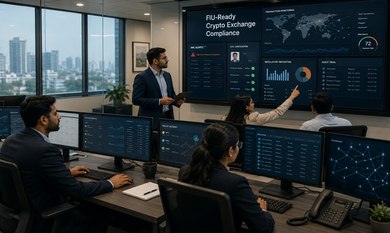
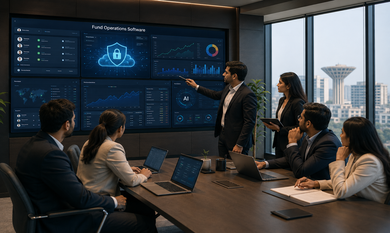
If you're considering something like this for a mandal, event, or municipal project, the computer vision piece is usually just one part of the puzzle. At Theta Technolabs, we've seen that a real deployment also needs a dashboard control room teams can actually rely on, a mobile experience that gets alerts to volunteers on the ground quickly, and cloud infrastructure sturdy enough to handle live video data without hiccups. Our web, mobile, and cloud consulting services are built to support exactly this kind of end-to-end setup, alongside the computer vision work itself. If you'd like to talk through what this could look like for your event or city, reach out to us at sales@thetatechnolabs.com.