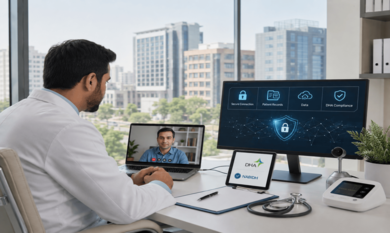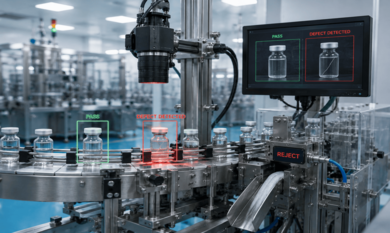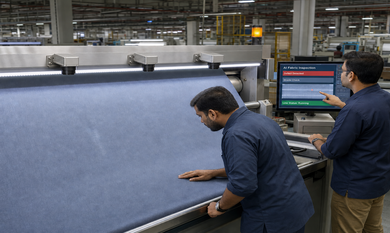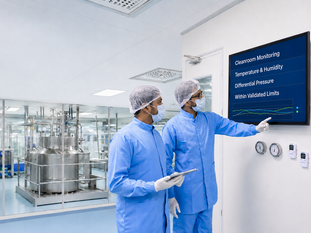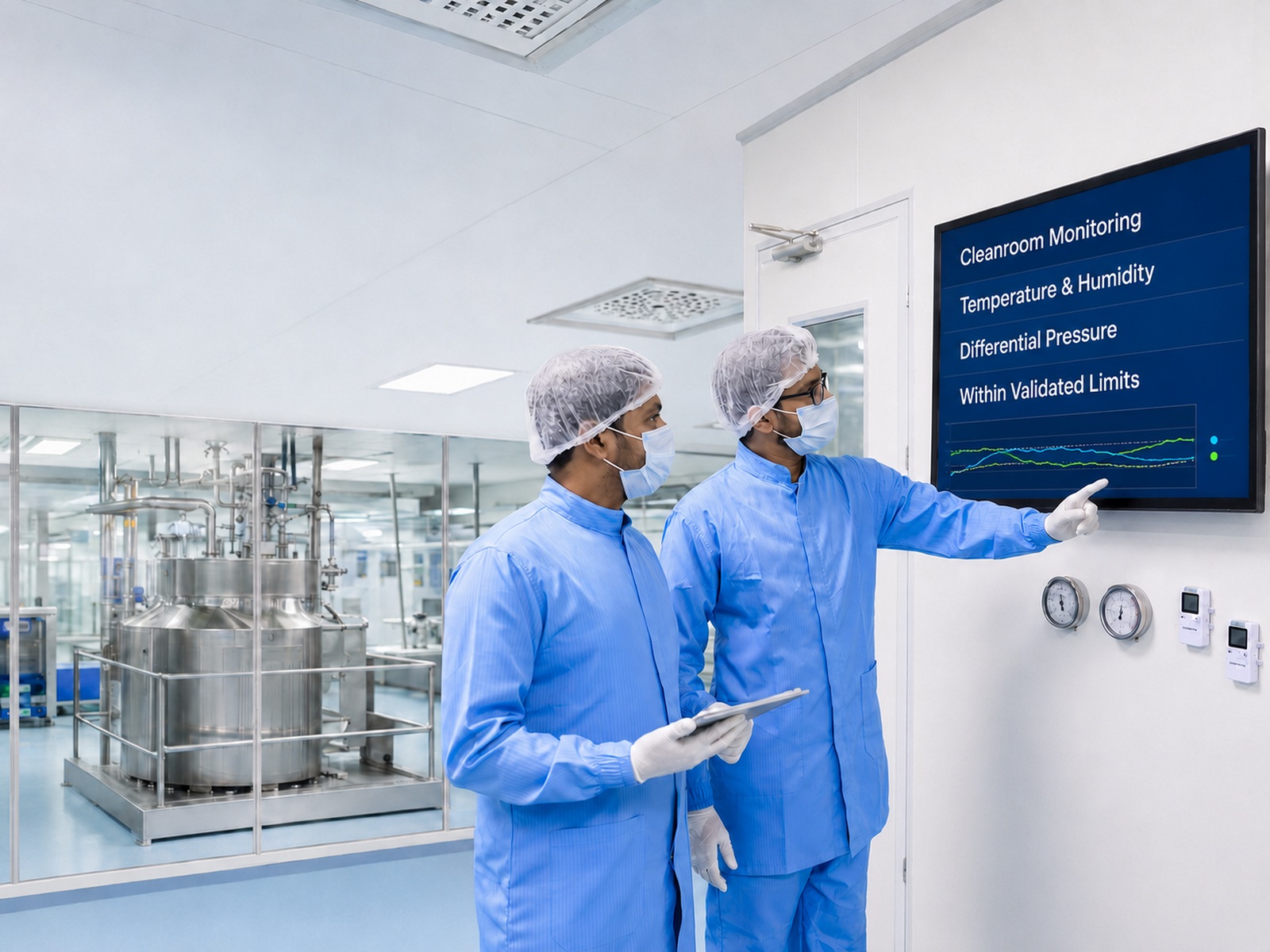


In a pharma cleanroom, conditions like temperature, humidity and pressure have to stay within set limits. When these are checked manually or logged late, a problem can go unnoticed and later turn into an audit issue. IoT cleanroom monitoring tracks these conditions automatically and in real time. This blog explains what it measures, how it can support GMP compliance, and where your QA team still stays in charge.
Why manual environmental monitoring has become a compliance risk
Most plants have relied for years on periodic manual readings and standalone dataloggers. It works until it does not. Readings taken at fixed intervals can miss what happens between them, transcription into registers introduces human error, and a deviation may only surface hours after conditions have already drifted. When an inspector asks for a clean, continuous record, gaps in that trail are hard to explain.
The regulatory backdrop makes this sharper. India's Revised Schedule M, notified under the Drugs and Cosmetics Rules and enforced by the CDSCO, brings the country's Good Manufacturing Practice expectations closer to WHO-GMP thinking, with more explicit attention to computerised systems and data integrity. Meeting Revised Schedule M compliance is now a licence condition, not a nice to have. Many Ahmedabad and wider Gujarat plants also manufacture for export, which layers WHO-GMP and other market expectations on top of the domestic baseline. In that setting, a modern approach to pharmaceutical environmental monitoring can help close the gaps that manual methods leave open. This is one of the areas our IoT solutions in Ahmedabad are built to address.
What IoT cleanroom monitoring actually measures
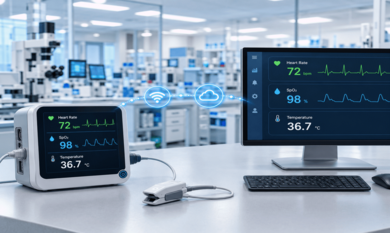
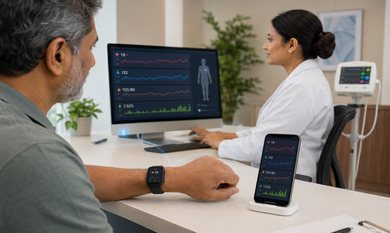
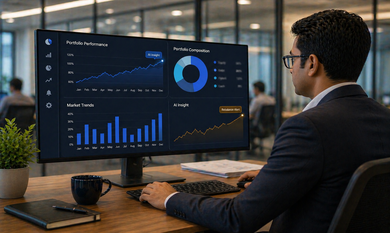
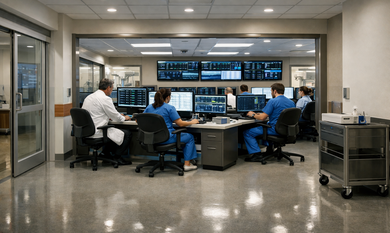
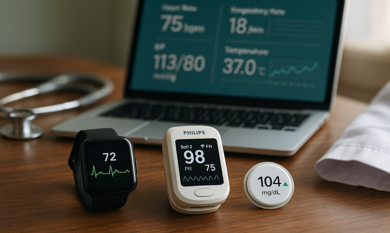
Before weighing the benefits, it helps to be clear about what a connected system tracks. Sensors placed across a controlled area feed data continuously to a gateway and then to a dashboard, so conditions are visible in real time rather than sampled now and then. In a typical cleanroom environmental monitoring setup, the parameters that matter most map directly to why they matter for GMP.
- Temperature and relative humidity. These keep product, materials and the environment within validated ranges, since drift can affect both stability and microbial control.
- Differential pressure across cleanroom grades. Correct pressure cascades stop contamination moving from less clean to cleaner zones, which is central to how a cleanroom is meant to work.
- Airflow velocity and air change rates. Continuous monitoring of airflow velocity helps verify that adequate air exchange maintains particle removal and recovery rates.
- Particle inputs, viable and non-viable. Where particle counters and sampling are integrated, the system captures the cleanliness picture alongside the physical conditions.
Because temperature humidity differential pressure monitoring happens without someone walking the floor with a clipboard, the record becomes more complete and far easier to review.
How IoT monitoring supports GMP compliance
The value of a connected system is not that it does the compliance work for you. It is that it gives your quality function better evidence, faster. Continuous capture replaces spot checks, so conditions between readings are no longer a blind spot. When a value moves toward a limit, automatic alerts can reach the right people quickly, which may reduce the time between a drift starting and a corrective action beginning.
Over weeks and months, that same data builds trends. Seeing a slow shift in a room's behaviour before it breaches a limit is often where the real prevention happens. And because records are captured and stored digitally with secure audit trails, they can be organised to be audit-ready, with immutable timestamps and a tracked history behind each reading.
This is also where data integrity ALCOA plus thinking becomes practical. Records that are attributable, legible, contemporaneous, original and accurate, along with the wider principles, are easier to maintain when the system captures them at source rather than relying on later entry. Strong real-time monitoring pharma practice does not remove the need for good procedures, but it gives them a more reliable foundation. Used well, it becomes a dependable input into GMP compliance rather than a claim of it.
Where AI-driven analytics adds value
Raw monitoring tells you what is happening now. Analytics helps you understand what is likely to happen next. By studying patterns in the data, a system can flag a gradual drift in an air handling unit or a creeping change in pressure that a human scanning a screen might not catch. Those early signals give teams a chance to act before a small issue becomes a deviation.
The same approach supports predictive maintenance on the equipment that keeps a cleanroom compliant, such as filtration and air handling systems. Spotting the signs of wear early can help avoid unplanned downtime that disrupts production. This kind of intelligence is central to how IoT in pharma manufacturing is evolving, and it is the focus of our AI-Driven IoT Analytics work. The important framing is that analytics flags and recommends. Your team decides.
Moving from paper logs to automated monitoring
A common worry is that switching systems will itself create audit risk. It does not have to, if the move is phased rather than abrupt. A practical path for an operating plant usually looks like this.
- Map the current monitoring points and the parameters recorded at each, so nothing is lost in translation.
- Run the new IoT system in parallel with existing methods for a defined period, so both sets of records exist side by side.
- Validate the system against your own protocols and confirm the data behaves as expected across normal operating conditions.
- Once confidence is established, retire the manual steps in a controlled, documented way.
Handled like this, the transition can happen without interrupting production and without leaving a hole in your records during the changeover.
What to consider when building an IoT monitoring system
No two plants are identical, so a system that works well is usually one designed around your facility rather than dropped in off the shelf. A few decisions tend to shape the outcome.
- Sensor selection and placement. The right sensors in the right positions determine whether the data reflects true conditions across a room, including its harder to control corners.
- Edge versus cloud processing. Some logic is best handled locally for speed and resilience, while longer term storage and analytics often sit in the cloud. The balance depends on your needs.
- Integration with existing HVAC and BMS. A monitoring system that talks to the equipment already in place gives a fuller and more useful picture than one that runs in isolation.
- Excursion and false alert handling. Alerts only help if they are trusted. Sensible thresholds and logic keep teams responsive without drowning them in noise.
- Secure data handling. Encryption and controlled access protect the integrity of the record, which matters as much for compliance as for security.
- Retrofit into a running facility. Installation planned around live operations avoids disruption to production.
These are the kinds of considerations we work through when delivering IoT solutions for manufacturing, because the engineering choices made early decide how well the system serves you later.
Keeping QA and the Qualified Person accountable
It is worth being direct about this. An IoT system provides data, alerts and evidence. It does not make quality decisions. Interpreting readings, investigating deviations, validating the system, and deciding on batch disposition and release remain the responsibility of your QA function and Qualified Person. The technology is there to support those people, not to stand in for them. Compliance itself rests with the manufacturer. A well built system simply makes that responsibility easier to carry.
Frequently asked questions
Does Revised Schedule M require automated or continuous environmental monitoring?
Revised Schedule M raises expectations around data integrity and computerised systems, and continuous monitoring can help meet them. The specific requirements for your operation should be confirmed against the current standard and your product type.
Can we adopt IoT monitoring without failing an audit during the switch?
Yes, when the change is phased. Running the new system in parallel with existing methods and validating it before retiring manual steps helps keep records continuous throughout the transition.
What does an IoT system measure in a pharma cleanroom?
Commonly temperature, relative humidity, differential pressure, air changes per hour, and, where integrated, viable and non-viable particle counts, all captured continuously and visible on a dashboard.
Does IoT monitoring replace QA sign off?
No. It supports the quality team with better data and faster alerts, but interpretation, validation and release decisions stay with QA and the Qualified Person.
Conclusion
IoT monitoring will not make a plant compliant on its own, and any honest account should say so. What it can do is give your quality team continuous visibility, earlier warning and cleaner records, which together make a well run compliance system easier to sustain under Revised Schedule M and export expectations alike. If you are weighing up how such a system might fit your facility, our team is happy to talk through an approach shaped around your plant. Reach out to Theta Technolabs at sales@thetatechnolabs.com.