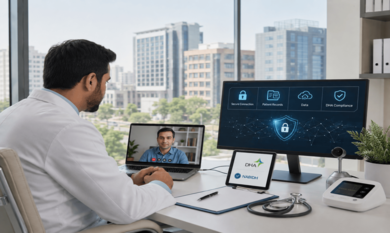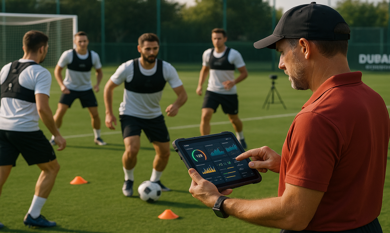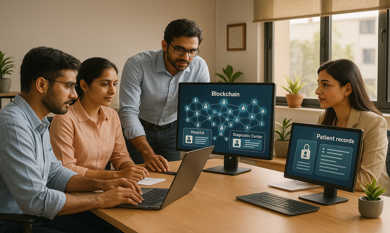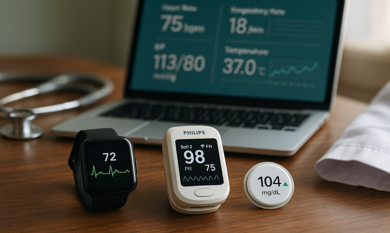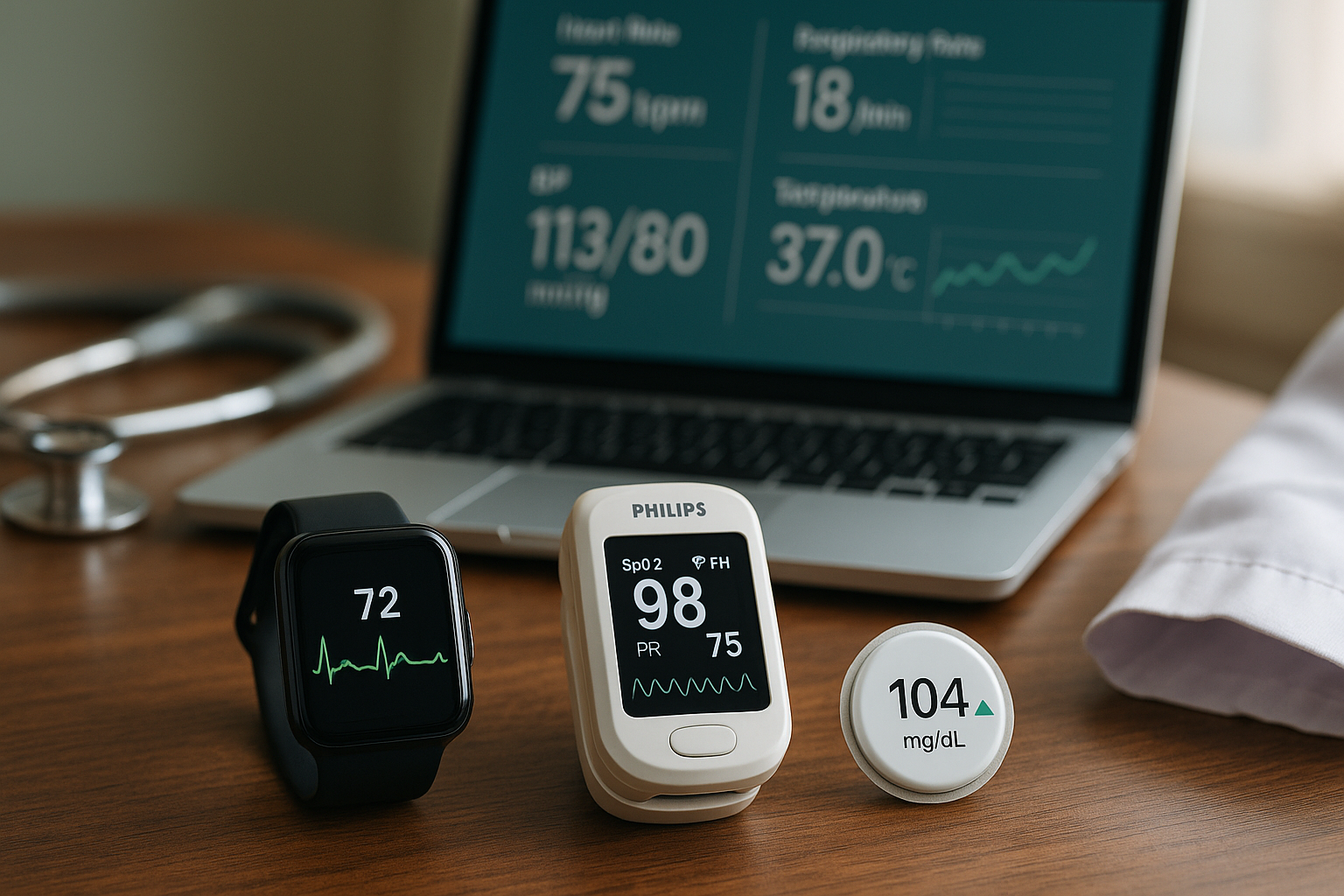


India’s healthcare landscape is experiencing a digital revolution, with Ahmedabad leading the way through tech-enabled clinics that are transforming patient monitoring and treatment approaches. From wearable health trackers to telehealth sensor devices, the integration of smart technology into healthcare has opened doors for proactive care rather than reactive treatment.
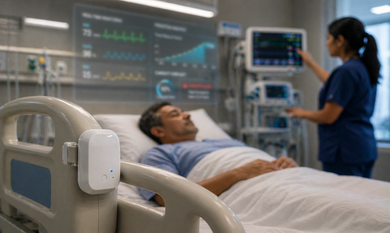
At the heart of this change lies Remote Patient Monitoring (RPM) — a system that allows doctors to track vital health parameters in real time, without the patient being physically present. Through the integration of IoT, cloud computing, and wearable healthcare devices, clinics in Ahmedabad are enhancing diagnostic precision, cutting down on hospital visits, and fostering stronger patient confidence.
Pain Points in Traditional Patient Monitoring
Despite technological advances, many healthcare facilities still rely on traditional, manual monitoring systems. These systems often suffer from major inefficiencies such as:
- Lack of continuous monitoring: Periodic checks of vital signs may lead to delayed responses during medical emergencies.
- Manual data recording: Increases chances of human error and makes historical tracking difficult.
- Fragmented patient data: Information from different visits or devices remains disconnected, complicating diagnosis.
- Slower reaction to health changes: Without real-time access, doctors may only act after symptoms worsen or post-consultation.
In busy urban healthcare ecosystems like Ahmedabad, these limitations translate into higher workloads for staff, missed alerts for patients, and overall reduced efficiency. To overcome this, wearable healthcare devices for clinics in Ahmedabad are becoming indispensable tools for modern medical practice.
IoT-Powered Wearable Solutions for Healthcare
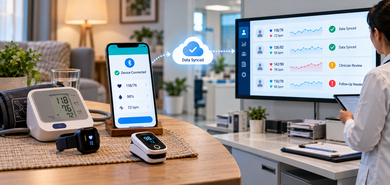
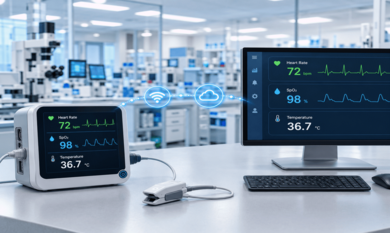
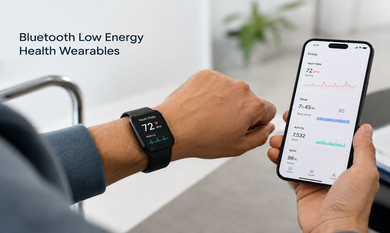
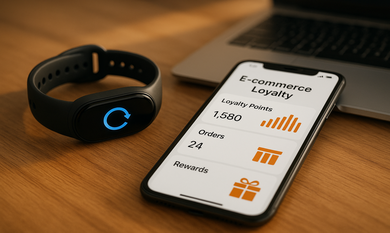
IoT-enabled wearable devices are transforming the way healthcare professionals deliver care. These devices, equipped with smart sensors, continuously collect physiological data such as heart rate, blood oxygen levels, and sleep patterns — all transmitted securely to cloud platforms for analysis.
Telehealth sensor devices and remote diagnostics wearables empower healthcare professionals to identify irregularities early, enabling prompt medical intervention. For example, a diabetic patient can wear a glucose-monitoring device that automatically sends alerts to both the user and their doctor if sugar levels deviate from normal.
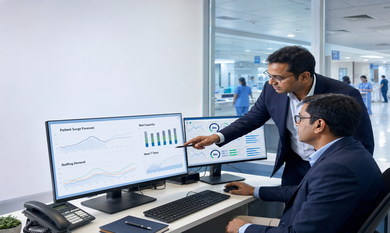
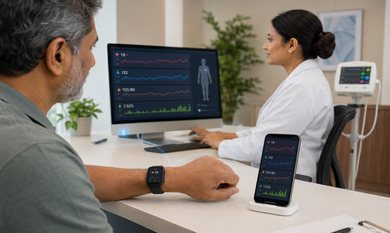
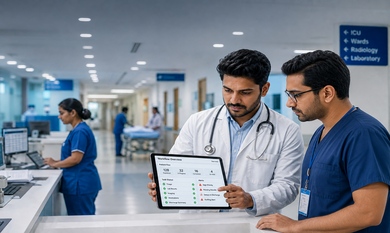
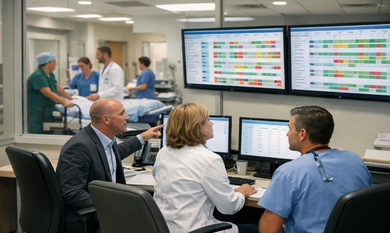
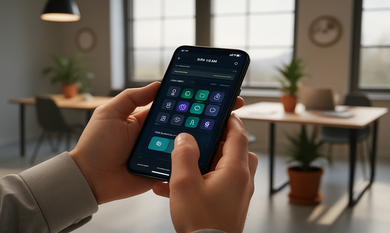
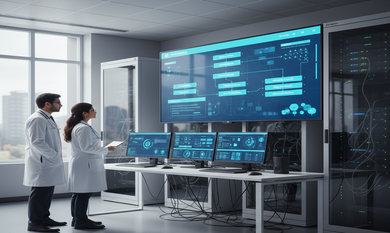
By integrating IoT with mobile and web apps, clinics gain real-time dashboards that display patient health data, allowing doctors to track multiple cases simultaneously. This connected ecosystem improves transparency, communication, and response times — creating a patient-first healthcare model.
In short, remote patient monitoring wearable devices in India are helping clinics transition from reactive care to preventive, data-driven care.
Technology Stack and Implementation
Behind every successful wearable health system is a robust technological foundation that ensures accuracy, scalability, and security.
Here’s how modern solutions are built:
- Smart IoT sensors and connected gateways continuously monitor vital health parameters in real time.
- Mobile and web applications visualize and transmit this data through secure channels.
- Cloud-based analytics platforms often experience significantly faster response times in critical situations.
- Machine learning algorithms predict potential health risks before they occur, using pattern analysis and patient history.
For advanced data intelligence, collaboration with a machine learning company in Ahmedabad ensures predictive insights that go beyond surface-level tracking. Similarly, partnering with a mobile app development company in Ahmedabad helps create user-friendly mobile interfaces that enhance both patient engagement and doctor efficiency.
Together, these technologies establish an ecosystem where connected healthcare becomes both reliable and scalable.
Measurable Business Outcomes
Building wearable IoT healthcare systems offers not only clinical advantages but also strong business outcomes for hospitals and startups alike.
- Accelerated patient response: Clinics using IoT-enabled remote monitoring report up to 35% faster intervention times, reducing emergency cases significantly.
- Reduced operational costs: Automation minimizes manual charting, saving nearly 20–25% in administrative workload.
- Lower patient readmissions: Continuous monitoring reduces re-hospitalization rates by detecting health declines early.
- Data monetization opportunities: Aggregated, anonymized data can be used to enhance AI algorithms, powering advanced healthcare insights.
- Subscription-based revenue models: Apps can offer premium analytics dashboards or integration with hospital EMR systems.
- Improved clinic reputation: Modern healthcare facilities offering wearable-enabled care are perceived as tech-forward, attracting more patients.
By investing in IoT healthcare development, clinics achieve measurable ROI through cost reduction, improved efficiency, and enhanced patient satisfaction — while simultaneously setting a benchmark in Ahmedabad’s evolving digital health ecosystem.
How Wearables Improve Outcomes
The impact of wearable technology goes beyond convenience — it redefines patient-doctor interaction.
For clinics, the shift to continuous vitals monitoring means fewer manual interventions and greater operational clarity. Doctors can access accurate health data instantly, allowing them to make faster, evidence-based decisions.
For patients, the benefits are even more personal:
- Empowerment through health awareness and real-time feedback.
- Early detection of critical symptoms.
- Reduced travel and hospital dependency.
- Consistent post-treatment care through digital connectivity.
This transition toward connected care exemplifies how wearable devices enable remote monitoring in Indian healthcare — empowering both providers and patients through seamless collaboration.
Future of Remote Monitoring in Indian Healthcare
As India continues to digitize healthcare infrastructure, wearable technology will play a central role in shaping its next phase. Future devices will integrate AI-driven diagnostics, multi-sensor wearables, and blockchain-based health records to ensure accuracy and privacy.
Cities like Ahmedabad are emerging as innovation hubs for connected healthcare solutions, with local startups and R&D labs pioneering new ways to merge IoT and AI in patient care. The rise of predictive analytics and cloud interoperability will enable hospitals to anticipate diseases, not just treat them — shifting healthcare toward true prevention.
The future is clear: connected, continuous, and compassionate care powered by intelligent wearable devices.
FAQ
1. What is Remote Patient Monitoring (RPM)?
Remote Patient Monitoring (RPM) refers to the use of connected wearable devices and IoT systems to observe a patient's vital signs and health metrics from a distance, reducing the need for physical visits.
2. How do wearable devices benefit clinics in Ahmedabad?
They help clinics provide real-time monitoring, faster response times, and improved efficiency — essential in a growing healthcare hub like Ahmedabad.
3. Are wearable IoT devices secure for patient data?
Yes. Modern RPM systems use encrypted data transmission and secure cloud storage to protect patient information.
4. What’s the future of wearable technology in Indian healthcare?
The future involves AI-based diagnostics, predictive monitoring, and wider integration across telehealth and digital hospital systems.
Conclusion
The adoption of wearable healthcare technology is more than a trend — it’s a necessity for the future of patient care. With smart wearables bridging the gap between clinics and patients, healthcare providers in Ahmedabad are achieving new levels of responsiveness and accuracy.
The adoption of IoT, AI, and cloud-based technologies is helping healthcare institutions improve efficiency, cut operational costs, and enhance patient outcomes. For clinics ready to modernize their operations, partnering with an experienced IoT development company in Ahmedabad is the first step toward connected, scalable healthcare innovation.
Get in Touch with Theta Technolabs
At Theta Technolabs, we specialize in building IoT-powered healthcare ecosystems that combine Web, Mobile, and Cloud technologies for smarter, safer, and more connected patient care.
Whether you’re a healthcare startup or an established clinic in Ahmedabad, our solutions help you harness the power of wearable technology to transform patient outcomes.
📩 Reach out to sales@thetatechnolabs.com to discuss your next healthcare innovation project.