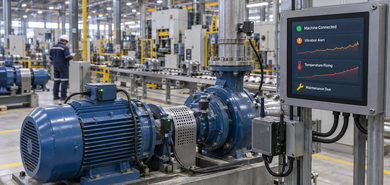
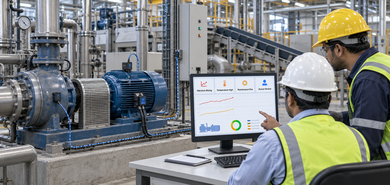
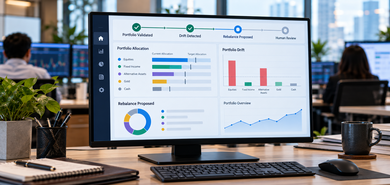
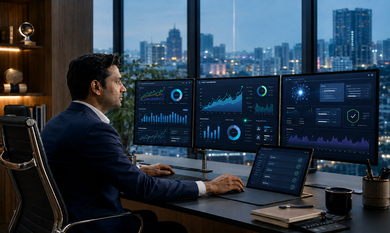
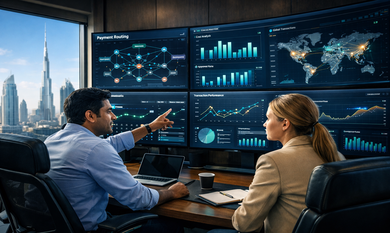
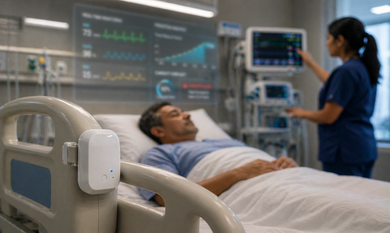
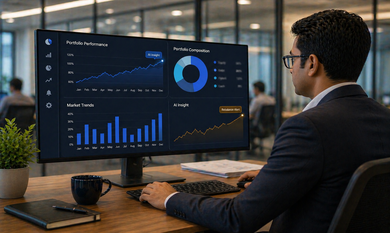
For a clinic, remote chronic care monitoring is not simply a matter of giving patients connected devices and viewing their readings on a dashboard. A workable system has to move the right patient data from the device to the care team reliably, while making it clear when someone needs to review or follow up on that information.
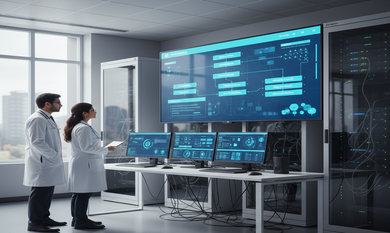
For remote patient monitoring for Hyderabad clinics, that means designing the entire path: BLE-enabled device, smartphone or gateway, cloud platform, clinic dashboard, alert workflow, and clinician review.
Getting these parts right matters because chronic monitoring is continuous by nature. A system that works during a demonstration may still struggle when patients change phones, lose connectivity, miss readings, or need help pairing a device.
Start With the Care Workflow, Not the Device
A successful remote patient monitoring for chronic disease program should begin with the care process.
Before selecting devices or developing software, the clinic needs to decide what it wants to monitor and what should happen after data arrives. A hypertension program, for example, may require regular blood pressure readings, while another chronic-care workflow may involve glucose, oxygen saturation, weight, heart rate, or other measurements appropriate to the patient's care plan.
The clinic should define:
- which patients are suitable for remote monitoring
- which measurements need to be collected
- how often readings are expected
- who reviews incoming information
- how abnormal or missing readings are handled
- when the patient should be contacted
- when an in-person assessment may be needed
This turns connected healthcare for clinics into an operating process rather than a collection of devices.
What makes chronic remote monitoring effective? A useful program connects dependable patient readings with a defined review and follow-up workflow.
Technology should support that process, not make clinical decisions on its own. India's Telemedicine Practice Guidelines cover areas such as appropriateness of telemedicine, patient evaluation, consent, privacy, documentation, and responsibilities of registered medical practitioners. Clinical judgment therefore remains an essential part of technology-supported care.
Design the Data Path From the Patient's Device to the Clinic
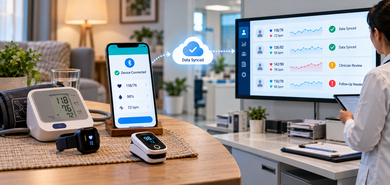
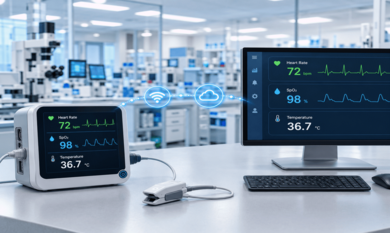
With BLE remote patient monitoring, collecting a measurement is only the first step. The system needs a dependable route for taking that reading from the patient's device to the clinic.
Device to Phone or Home Gateway
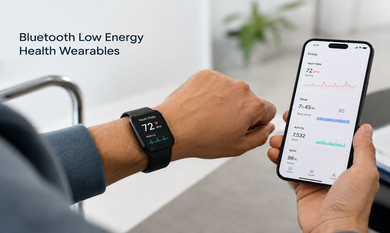
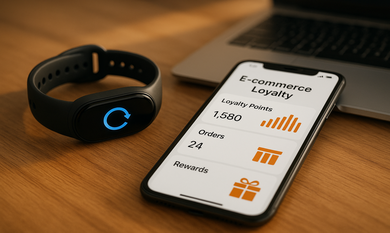
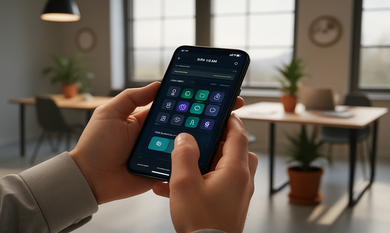
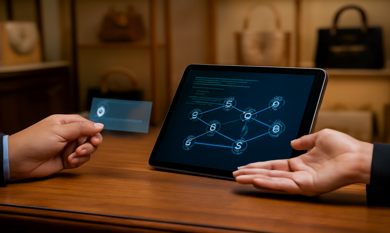
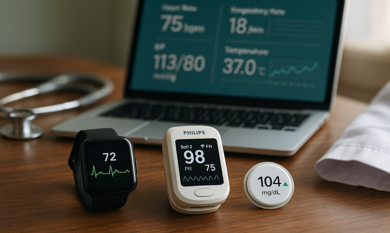
In BLE healthcare monitoring, a medical device or wearable commonly communicates with a smartphone application or a dedicated home gateway using Bluetooth Low Energy.
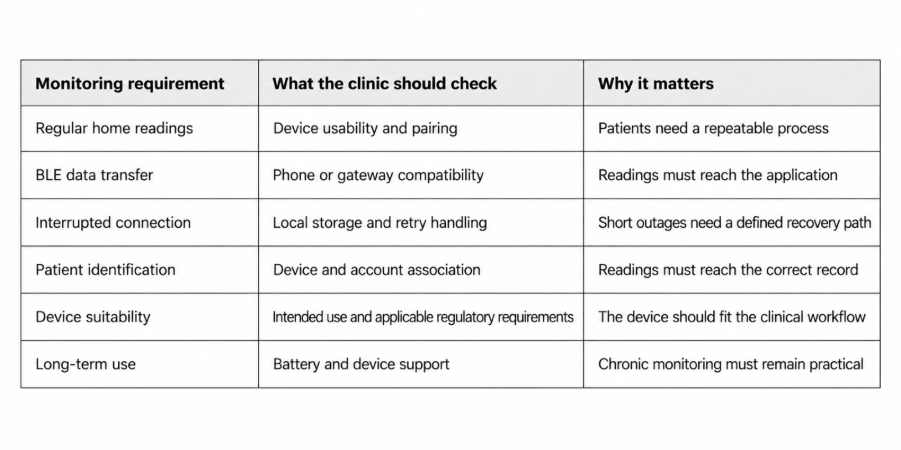
The application should know which device belongs to which patient. Pairing, connection permissions, device identifiers, and account association therefore need careful handling.
The software should also account for practical situations. A device may temporarily disconnect. A patient may replace a phone. Bluetooth permissions may be disabled. The application may need to store a reading until it can complete synchronization.
Phone or Gateway to the Cloud
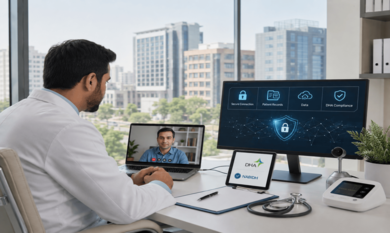
Once the application receives the reading, the remote patient monitoring system has to transmit it securely to the appropriate cloud service and patient record. Patient data should be protected in transit and at rest using appropriate security controls, along with authentication, role-based access, and audit logging. Clinics and technology providers should also assess how the collection and processing of digital personal data aligns with India's Digital Personal Data Protection Act and applicable rules.
Useful data handling should include timestamps, synchronization status, patient association, duplicate checking, and a way to distinguish fresh information from older readings uploaded after an offline period.
Theta Technolabs' remote patient monitoring and telemedicine solution provides an example of this broader architecture, with health data collected through mobile applications and BLE-based devices for web and mobile use.
The important point is that the clinic dashboard sits at the end of a data pipeline. Every step before it needs to work consistently.
Choose Devices Around the Clinical Use Case
A clinic does not need every available connected wearable. Device selection should start with the measurement required by the care workflow.
Depending on the clinical use case, IoT healthcare monitoring may involve blood pressure monitors, glucometers, pulse oximeters, weighing scales, ECG devices, or appropriate wearable devices.
When evaluating BLE wearables for patient monitoring, teams should look beyond whether the product supports Bluetooth. They should consider how patients operate it, how readings are exposed to the application, how the device is paired, battery requirements, data availability, and ongoing device support.
Consumer wellness devices and devices intended for clinical workflows should not automatically be treated as interchangeable. The clinic needs to select technology that is appropriate for its intended monitoring process. It should also verify whether the device's intended use, classification, registration, or licensing requirements fall under India's Medical Devices Rules. Relevant manufacturer quality standards, such as ISO 13485 where applicable, can also be considered during device and vendor evaluation.
Build Alerts That Lead to a Clear Human Response
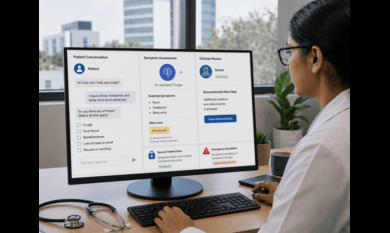
A chronic disease monitoring platform needs more than graphs and notifications. Each meaningful alert needs a defined response process.
The clinic may want rules for abnormal measurements, repeated readings outside an expected range, missed readings, or changes that require a clinician to review the patient's information.
Technical issues should be treated differently. A failed Bluetooth sync, low device battery, or disconnected gateway may need support from an operations or technical team rather than a clinician.
Separating clinical and technical alerts can make the workflow clearer.
A monitoring system should also answer practical questions:
- Who receives each type of alert?
- How is an alert acknowledged?
- What happens if no one has reviewed it?
- Where is follow-up recorded?
- What happens outside the clinic's usual monitoring hours?
An alert needs an owner. Generating a notification is not enough if the clinic has not defined who reviews it and what happens next.
Automated rules can help prioritize information, but they should support human review rather than be presented as autonomous clinical decisions.
Connect Remote Monitoring With the Systems the Clinic Already Uses
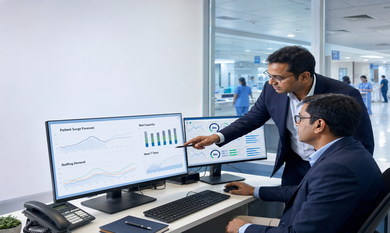
Remote monitoring can become difficult to manage if it creates an isolated dashboard that staff must check separately from the rest of their work.
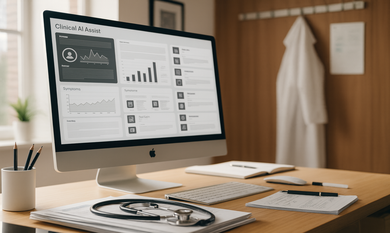
Depending on the clinic's setup, the monitoring solution may need to connect with patient applications, clinician dashboards, telemedicine tools, EHR or EMR systems, appointment workflows, notifications, and care-management software.
This is where healthcare software development services become relevant. The integration layer can connect remote monitoring with the web, mobile, cloud, EHR, telemedicine, and patient-engagement software already involved in care delivery. Theta's healthcare page includes IoT remote health monitoring, chronic disease management, EMR/EHR solutions, telemedicine, and connected patient platforms among its healthcare use cases.
APIs can be used where appropriate to exchange selected information between systems.
The goal should not be to copy every piece of data everywhere. The clinic should determine which information each role needs and where that information belongs.
Test the Failure Cases Before Enrolling More Patients
A system can appear reliable when every device is online and every user follows the expected process. Real-world remote chronic care monitoring has to handle exceptions as well.
Before wider deployment, test situations such as:
- the BLE device does not pair
- the patient replaces their phone
- Bluetooth permissions are removed
- internet access is temporarily unavailable
- the same reading arrives more than once
- older readings synchronize later
- a device battery becomes low
- a patient stops submitting expected readings
- a device is associated with the wrong account
- an alert occurs outside normal monitoring hours
For BLE remote patient monitoring, these tests help determine whether a technical problem is clearly visible to the patient or clinic team. Clinics should also test what happens when an important patient reading is captured but cannot immediately reach the monitoring platform because of a connectivity problem.
The patient experience matters too. Pairing steps, login requirements, device instructions, and synchronization status should be understandable for people with different levels of confidence using mobile technology.
A missing measurement should not quietly look like a normal measurement. The system should make the difference clear.
What a Hyderabad Clinic Should Have Ready Before Development
Before building or expanding a remote monitoring platform, the clinic should create a practical implementation brief.
It should identify the patient group, monitored conditions, required measurements, proposed devices, expected reading frequency, patient onboarding process, and the staff members responsible for reviewing incoming information.
The technical side should define:
- approved device types
- smartphone or gateway approach
- patient and device association
- cloud data flow
- dashboard requirements
- alert ownership
- existing software integrations
- user access requirements
- technical support responsibilities
A team evaluating IoT and BLE development services in Hyderabad can then discuss a defined workflow rather than starting from a broad requirement such as "build an RPM app."
This preparation also makes architecture decisions easier because the technology can be designed around the actual care process.
Questions Clinics Commonly Ask Before Starting
How does BLE remote patient monitoring work?
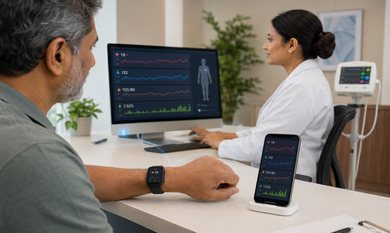
A compatible medical device sends its reading through Bluetooth Low Energy to a smartphone or gateway. The application can then transmit the associated data to a cloud platform where authorized clinic users can review it.
Does a patient need a smartphone for BLE remote monitoring?
Not always. Many implementations use a mobile application, but a dedicated connected gateway can be used when that architecture better suits the patient group and monitoring requirements.
What happens if the patient's internet connection is unavailable?
The exact behaviour depends on the device and application design. A system may temporarily store readings and retry synchronization when connectivity returns, while clearly showing that the data has not yet reached the server. Offline storage should not be treated as a substitute for an urgent-care process. If the monitoring workflow includes readings that may require prompt attention, the clinic should define what the patient should do when data cannot be transmitted and how connectivity failures should be communicated.
Can remote patient monitoring integrate with an existing EHR or clinic system?
It can when the systems provide suitable integration options. The team should first define which patient data, alerts, and workflow events need to move between the monitoring platform and the clinic's existing software.
Can BLE monitoring be used for chronic conditions such as hypertension or diabetes?
Connected devices can support appropriate monitoring workflows for chronic conditions when suitable devices and clinical processes are used. Clinicians still determine how measurements are interpreted and what follow-up is appropriate.
Building Remote Monitoring Around the Care Process
Reliable remote chronic care requires the device, BLE connection, patient application or gateway, cloud platform, dashboard, integrations, and clinical workflow to work as one system.
Theta Technolabs develops connected healthcare solutions using technologies and capabilities such as Bluetooth Low Energy, IoT cloud integration, and web and mobile healthcare applications. The implementation can be designed around a clinic's devices, monitoring workflow, integrations, and human review process.
For support with BLE-enabled remote chronic care monitoring solutions, contact us at sales@thetatechnolabs.com